
World Wetlands Day: PM Shehbaz Rejects Weaponisation of Water, Reaffirms Indus Waters Treaty
On World Wetlands Day, Prime Minister Shehbaz Sharif rejects weaponisation of water, stresses Indus Waters Treaty implementation and wetlands conservation.
Islamabad: As the international community marked World Wetlands Day on Monday, Prime Minister Shehbaz Sharif reiterated that Pakistan strongly rejects any attempt to weaponise water, calling such actions a grave violation of international law.
In his message issued on February 2, the prime minister emphasized that Pakistan, while fully adhering to international legal frameworks, firmly believes in the complete and equitable implementation of the Indus Waters Treaty (IWT). He stressed that water must never be used as a tool of political pressure or coercion.
Commitment to Wetlands Conservation
Prime Minister Shehbaz said that World Wetlands Day offers Pakistan and the global community an important opportunity to renew their commitment to the sustainable conservation and management of wetlands, which play a critical role in environmental stability and economic resilience.
Referring to this year’s theme, “Wetlands and Traditional Knowledge: Celebrating Cultural Heritage,” he highlighted the deep cultural, historical, and social significance of wetlands, particularly for indigenous and local communities.
Pakistan’s International Obligations
The prime minister noted that Pakistan is a signatory to the Ramsar Convention on Wetlands (1971), which underscores the principle of the wise use and conservation of wetlands for the benefit of humanity.
Highlighting their strategic importance, he said wetlands are essential in addressing severe environmental and economic challenges, including protection against droughts, floods, and extreme climate change impacts.
Role of Wetlands in Climate Resilience
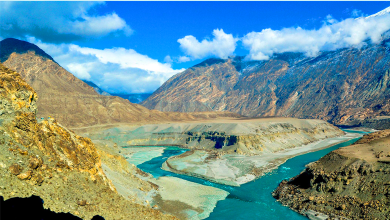
Prime Minister Shehbaz explained that Pakistan’s wetlands — including lakes, glaciers, inland water bodies, coastal zones, and mangroves — contribute significantly to:
- Biodiversity conservation
- Climate change mitigation and adaptation
- Effective and sustainable water management
He warned that the depletion of wetlands directly threatens the livelihoods of millions of Pakistanis, leading to job losses, rising food prices, and altered patterns of floods and droughts across the country.
Wetlands as a Social and Economic Safeguard
“The conservation of wetlands is not merely an environmental duty to combat climate change; it is a guarantee of social welfare at both individual and collective levels,” the prime minister said.
He urged citizens and institutions to recognize wetlands as precious national, environmental, social, and cultural assets and to make collective efforts to ensure their protection.
Global Advocacy for Fair Water Use
Prime Minister Shehbaz further reiterated that at the international level, Pakistan will continue to advocate for the fair, legal, and peaceful use of water resources, emphasizing cooperation rather than conflict in transboundary water governance.