PM Orders Urgent 300-Day Climate Change Action Plan Amid Deadly Floods
PM Shehbaz Sharif has ordered a 300-day climate change action plan as Pakistan battles floods, glacial melt, and extreme weather. NDMA confirms over 2.4 million relocated in Punjab.
Prime Minister Shehbaz Sharif has ordered the government to devise a 300-day climate change action plan within 15 days to tackle Pakistan’s worsening environmental crisis. Federal Minister for Climate Change and Environmental Coordination Senator Musadik Malik confirmed the decision at a press conference in Islamabad, calling it a historic step towards resilience.
The move comes as Pakistan reels from deadly monsoon rains, accelerated glacial melting, and catastrophic flooding—disasters that highlight the urgent need for long-term climate adaptation.
Why Pakistan Declared a Climate Emergency
A day before this announcement, PM Shehbaz declared both a national climate emergency and an agricultural emergency, citing unprecedented rainfall and devastating floods.
“This is not unique to Pakistan. The entire world is changing, and all nations must wake up to this reality,” remarked Senator Musadik Malik.
The 300-day climate change action plan aims to protect vulnerable communities, strengthen infrastructure, and ensure provincial readiness ahead of future monsoons and glacial outbursts.
Evacuations and Flood Response
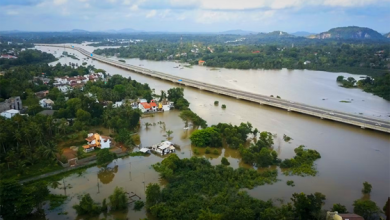
Mass evacuations remain a critical part of the government’s strategy. According to Malik, over 2.4 million people were relocated in Punjab alone. Advance warnings were issued in Sindh, where delayed water inflows are expected.
Key regions under observation include Sialkot, Narowal, Lahore, Shahdara, Jhang, and Sargodha, where two major flood waves have been tracked. One wave is currently nearing Head Punjnad.
NDMA Updates on Flood Situation
During a briefing, NDMA Chairman Lieutenant General Inam Haider Malik assured the nation that the situation in Sutlej, Ravi, and Chenab rivers was under control.
- Punjab:4 million people relocated
- Sindh: 150,000 people shifted
- Relief efforts: 9,000 tents and over 9,000 tonnes of rations distributed
To prevent catastrophic flooding, controlled breaches were made in embankments to ease water pressure. However, crops and livestock have suffered extensive damage, worsening Pakistan’s food insecurity.
Collaboration Between Provinces, Army, and NGOs
Malik praised the armed forces, provincial governments, and NGOs for their joint efforts. Over 2,000 tonnes of relief goods have already been delivered by welfare organisations.
“In times of national crises, we stand together—Punjab, Sindh, Khyber-Pakhtunkhwa, Gilgit-Baltistan, and Azad Jammu and Kashmir,” Malik said.
This collaborative framework will also guide the 300-day climate change action plan, ensuring nationwide resilience.
Impact on Agriculture, Livestock, and Economy
Pakistan’s agriculture and livestock sectors have been hit hard by the floods. The NDMA confirmed widespread destruction of crops, further threatening food security.
This crisis underscores why the agricultural emergency is linked with the climate emergency. Without urgent reforms, Pakistan risks losing billions in agricultural output—adding to existing economic distress.
Next Steps in the 300-Day Climate Change Action Plan
The 300-day climate change action plan will be developed in coordination with:
- Federal ministries
- Provincial governments
- Pakistan Army
- Welfare and civil society organisations
Key priorities include:
- Strengthening early warning systems
- Building climate-resilient infrastructure
- Safeguarding agriculture from glacial melt and floods
- Coordinating relief logistics
Malik emphasized that the plan will be finalised within one month and implemented aggressively.
Global Perspective: Pakistan’s Climate Struggle
Pakistan remains one of the top climate-vulnerable nations despite contributing less than 1% of global emissions. According to UNEP
developing countries like Pakistan face billions in annual climate adaptation costs, yet international climate finance remains insufficient.
This crisis mirrors global challenges—from wildfires in Europe to flooding in South Asia—proving that climate change is not a local issue but a global survival challenge.
For related reading, see our report on Pakistan’s climate vulnerability
Conclusion: Preparing for a Resilient Future
The government’s 300-day climate change action plan represents a bold step towards building resilience in the face of worsening climate disasters.
While 930+ lives have already been lost in recent rains and floods, the coordinated response between federal agencies, provinces, and welfare groups shows Pakistan’s unity in crisis.
With rising temperatures, melting glaciers, and unpredictable rainfall patterns, preparedness is no longer optional—it is a matter of national survival.