
Water Scarcity in Pakistan – The Dangerous Geopolitical Time Bomb No One’s Defusing
Water scarcity in Pakistan is worsening due to climate change, poor infrastructure, and geopolitical tensions. Explore its national, agricultural, and diplomatic consequences.
Water Scarcity in Pakistan is no longer just an environmental issue—it is a dangerous and multidimensional crisis threatening the country’s agriculture, diplomacy, and economic stability.
As of 2025, Pakistan is being battered by extreme weather events—floods, droughts, and heatwaves—while its water resources dwindle. Scientists, international organizations, and local experts now describe the situation as a “ticking time bomb.” If not defused through urgent reforms and diplomacy, the country could face widespread humanitarian and security consequences.
Urban Flooding: A Missed Water Opportunity
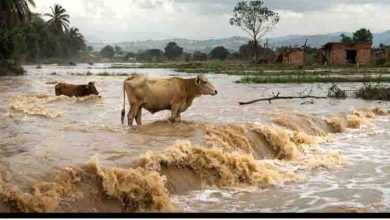
In 2024 and 2025, Pakistan’s cities—especially Karachi, Lahore, and Rawalpindi—faced record-breaking rainfall that overwhelmed outdated drainage systems. More than 242 people have died due to the recent floods, and the death toll is rising.
Ironically, while floods cause destruction, they also highlight a missed opportunity: Pakistan lacks the infrastructure to store excess water. These waters, if captured, could alleviate future droughts—but due to limited dam capacity and poor rainwater harvesting, they’re lost as runoff.
Without modern water infrastructure, both urban and rural Pakistan will continue swinging between destructive floods and crippling droughts.
A Looming Strategic Threat
Pakistan is now classified among the 15 most water-stressed countries globally according to the Falkenmark and Water Poverty Index.
-
In 1947, Pakistan had 5,600 cubic meters of water per person.
-
In 2023, that number dropped to just 930 cubic meters—well below the water scarcity threshold of 1,000 cubic meters.
The International Organization for Migration (IOM) warns that Pakistan could reach absolute water scarcity by 2035. The World Wildlife Fund-Pakistan (WWF-P) and the FAO echo these warnings, urging for swift and systemic changes.
This is more than an environmental emergency—it’s a full-blown national survival issue.
How Climate Change Fuels Water Scarcity
Water Scarcity in Pakistan is intensifying due to climate change. The country contributes less than 1% to global emissions but remains one of the top 10 most climate-vulnerable nations according to the Global Climate Risk Index.
Key impacts include:
-
Accelerated glacier melt in the Hindu Kush–Himalayan region (which feeds over 75% of the Indus River system).
-
Up to 20% water loss in dams due to rising temperatures.
-
Erratic monsoon patterns, with intense rainfall followed by long dry spells.
The World Bank Climate Change Knowledge Portal projects that Pakistan’s average temperature will rise by 4.9°C by 2090, worsening water shortages and increasing the frequency of floods.
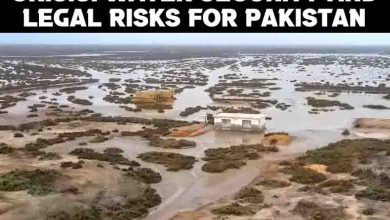
The catastrophic 2022 floods, which submerged a third of the country and caused $30 billion in losses, serve as a haunting example of this volatility.
The Indus Waters Treaty Under Threat
Signed in 1960, the Indus Waters Treaty (IWT) has been a cornerstone of peace between India and Pakistan. It granted Pakistan control over the western rivers—Indus, Jhelum, and Chenab.
However, the treaty is under severe strain due to:
-
India’s upstream hydropower projects like Kishanganga and Ratle.
-
Changing flow patterns due to climate change.
-
Rising geopolitical tensions between the two nations.
In early 2025, India suspended the treaty after a terrorist attack in Indian-occupied Kashmir, blaming Pakistan without evidence. This escalation alarmed Pakistan, as it risks losing access to 35% of its water during critical growing seasons.
Though India currently lacks infrastructure to completely divert flows, the threat remains real, especially during dry months.
Food Security at the Brink
Agriculture consumes 90% of Pakistan’s freshwater, and just four crops—wheat, rice, sugarcane, and cotton—use the majority of it.
Years of policy-driven cropping preferences have:
-
Reduced traditional drought-resistant crops like millet.
-
Depleted groundwater levels.
-
Increased salinity and waterlogging in key agricultural regions.
According to the State Bank of Pakistan, cotton production dropped by 41% in recent years due to flooding and water mismanagement. The 2022 floods wiped out 2.4 million hectares of crops, causing a major food crisis.
Wheat growth remains below 2.5% annually, which is insufficient to meet national demand. Food inflation and rural job losses have surged as a result, worsening economic instability.
Policy Gaps and Urgent Actions
Despite the seriousness of water scarcity in Pakistan, policy responses remain insufficient.
The National Water Policy (2018) and projects like Diamer-Bhasha Dam offer long-term potential but have suffered delays due to:
-
Lack of funding
-
Bureaucratic red tape
-
Inter-provincial distrust
To avert disaster, Pakistan must urgently:
-
Install water meters for large consumers.
-
Regulate groundwater extraction and close illegal wells.
-
Shift subsidies and support to drought-resilient crops.
-
Promote drip irrigation and reduce dependence on flood irrigation.
-
Expand local and national reservoirs for rain and glacial runoff.
-
Push for international cooperation to modernize and adapt the Indus Waters Treaty to today’s climate realities.
Conclusion
The water scarcity in Pakistan is a dangerous and escalating national crisis—a crisis that touches everything from food production and public health to foreign policy and national security.
Yet, it is not beyond resolution.
Through institutional reform, technological investment, and international diplomacy, Pakistan can build resilience and secure its water future. But the time for action is vanishing quickly.
Water security is not just about managing a resource—it’s about preserving the very foundation of Pakistan’s future.