

5 Powerful Ways Sino-Pak Agricultural Cooperation Is Transforming Pakistan’s Future
Sino-Pak Agricultural Cooperation reaches a new milestone as UAF launches joint diploma programs with China, strengthening agricultural innovation, food security, and skills development.
Sino-Pak Agricultural Cooperation reached a transformative milestone on December 24, 2025, as the University of Agriculture Faisalabad (UAF) inaugurated two landmark joint diploma programs with Chinese institutions. These initiatives mark a bold and positive step toward strengthening bilateral cooperation, enhancing agricultural innovation, and preparing future-ready professionals for Pakistan’s evolving agri-economy.
The newly launched programs include a three-year diploma in Grain Storage, Transportation and Quality Safety, and the fourth batch of the Sino-Pak Dual Diploma in Modern Agricultural Technology. Both programs are designed to bridge academic knowledge with real-world agricultural challenges through international collaboration.
Historic Launch of Joint Diploma Programs
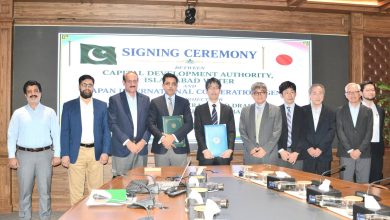
The inauguration ceremony was held at the Community College, University of Agriculture Faisalabad, in collaboration with Jiangxi Vocational Technical College of Industry and Trade, China, and Bailie Vocational College, with academic support from Tang International Education Group.
These programs are a continuation of China–Pakistan educational cooperation that has steadily expanded under the broader framework of bilateral relations and people-to-people exchange.
Strengthening Pakistan–China Agricultural Ties
Speaking at the ceremony, UAF Vice Chancellor Prof. Dr. Zulfiqar Ali emphasized that the joint diplomas are unique in nature and designed to produce skilled professionals capable of addressing modern agricultural challenges.
He highlighted that Sino-Pak Agricultural Cooperation is not limited to academic exchange but extends to practical problem-solving in food security, storage management, agribusiness, and climate-resilient farming.
“These market-driven programs are aligned with emerging agricultural technologies and will empower youth with practical expertise,” he noted.
Focus on Modern Agricultural Technology and Food Safety
The newly launched diploma in Grain Storage, Transportation, and Quality Safety directly addresses post-harvest losses—one of Pakistan’s most pressing agricultural challenges.
Through this collaboration, students will gain hands-on exposure to:
- Modern grain storage technologies
- Food safety and quality assurance systems
- Supply chain and cold storage management
- Smart logistics and agricultural mechanization
This initiative strengthens Sino-Pak Agricultural Cooperation by transferring Chinese expertise in food security and logistics management to Pakistani institutions.
Role of Chinese Institutions in Skill Development
Wang Jia, Assistant Dean at Jiangxi Vocational Technical College of Industry and Trade, described the program as a milestone in mutual learning and academic synergy.
Similarly, Zhang Jianhong, Vice President of Bailie Vocational College, emphasized that the joint programs would equip students with globally relevant skills and prepare them for leadership roles in agriculture-driven economies.
UAF’s Vision for Market-Driven Agricultural Education
The University of Agriculture Faisalabad continues to position itself as a regional leader in agricultural innovation. According to Principal Community College Prof. Dr. Abdul Ghaffar, students enrolled in the joint diploma programs will benefit from:
- Two years of study at UAF
- One year of advanced training in China
- Exposure to international research environments
- Interaction with Chinese scientists and agricultural experts
This hybrid learning model reflects a forward-looking vision aligned with global agri-business trends.
Student Opportunities and Global Exposure
Through Sino-Pak Agricultural Cooperation, students gain:
- International certification
- Cross-cultural academic exposure
- Access to advanced agricultural laboratories
- Career pathways in agri-tech, food safety, and logistics
The presence of the Confucius Institute at UAF further strengthens cultural and linguistic exchange, enabling students to learn the Chinese language and understand professional practices in China.
Strategic Importance for Pakistan’s Food Security
Pakistan faces increasing challenges related to food insecurity, climate change, and post-harvest losses. Programs like these are crucial for building a skilled workforce capable of modernizing the agricultural sector.
By aligning education with market needs, Sino-Pak Agricultural Cooperation supports:
- Sustainable agriculture
- Food quality assurance
- Export competitiveness
- Rural economic development
Voices from Leadership and Academia
Several academic leaders including Prof. Dr. Waseem Akram and Dr. Athar Mehmood also addressed the gathering, highlighting the importance of international collaboration in strengthening Pakistan’s knowledge economy.
The Vice Chancellor also inaugurated a state-of-the-art facilitation center, further enhancing UAF’s capacity to deliver world-class education.
Future Outlook: A Model for Regional Collaboration
The success of these joint diploma programs reflects a broader shift toward education-led diplomacy. As Pakistan and China continue to deepen strategic ties, such initiatives will play a critical role in shaping sustainable development pathways.
Sino-Pak Agricultural Cooperation stands as a powerful example of how education, innovation, and mutual trust can drive long-term prosperity.
Conclusion
With visionary leadership, international collaboration, and a strong focus on practical learning, the University of Agriculture Faisalabad’s joint diploma programs mark a significant step forward. These initiatives not only enhance academic excellence but also reinforce Pakistan’s agricultural resilience and global competitiveness.
External Link: University of Agriculture Faisalabad