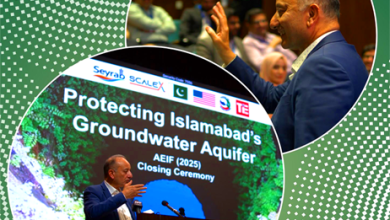
Cairo Water Week calls for coordinated action, innovative solutions to safeguard water resources
Water expert and policy makers gather in Egypt to address the immediate water scarcity issues but also promote sustainable water management practices for future generations By: Dr Muhammad Arif,
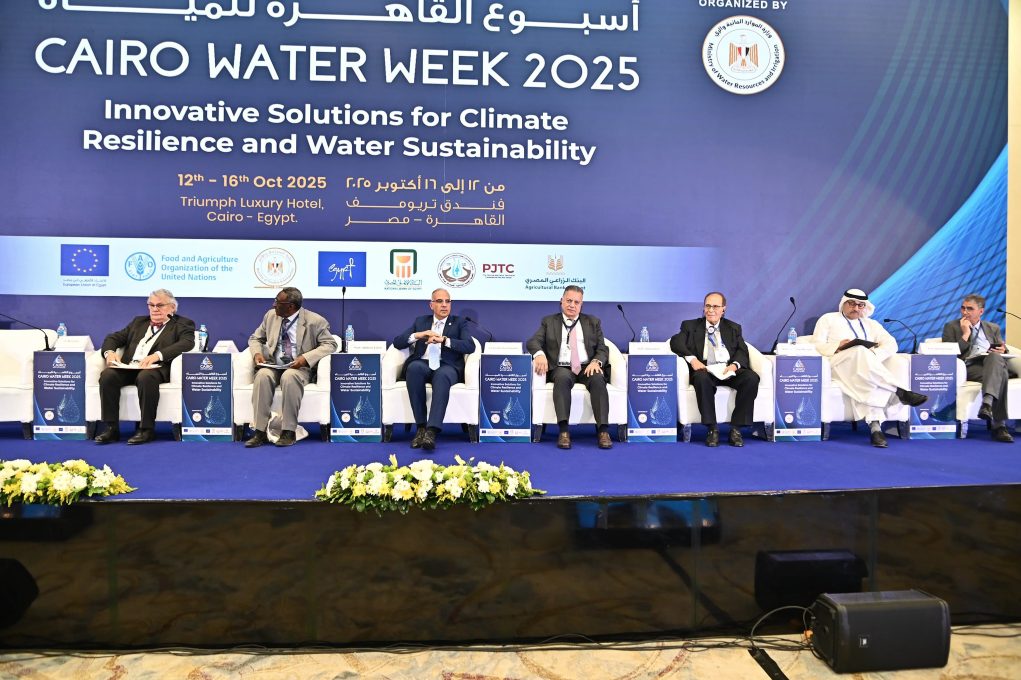
Cairo, Egypt: The annual Cairo Water Week (CWW), held from October 5-9, 2025, brought together policymakers, scientists, environmentalists, and business leaders from across the globe to discuss the most pressing water-related challenges in the Middle East and the Arab world. With the region facing an ever-deepening water crisis, #CWW2025 was an urgent call for coordinated action and innovative solutions to safeguard the region’s precious and increasingly scarce water resources.
Held under the theme “Water Security for Sustainable Development in the Arab World,” the weeklong event underscored the complex interconnections between water, energy, food, and climate change, the stark crisis humanity is facing. #CWW2025 highlighted the need for integrated solutions that not only address the immediate water scarcity issues but also promote sustainable water management practices for future generations.
Key Themes and Discussions at #CWW2025
The conference featured a range of discussions and expert panels that explored several key areas impacting water security in the region. These included water governance, technological innovations, transboundary water management, and the role of private sector investments in water sustainability.
1. Water Scarcity and Climate Change: A Dual Crisis
One of the central topics of discussion was the dual threat of water scarcity compounded by climate change. Speakers highlighted the alarming projections that by 2030, 14 of the 22 Arab countries will face absolute water scarcity. According to Dr. Ahmed Al-Sayed, Director of the Arab Water Council, “Water in the Arab region is already a scarce commodity, but the climate crisis is exacerbating this by altering rainfall patterns, increasing evaporation rates, and triggering prolonged droughts.”
The Middle East is among the most water-stressed regions in the world, with countries like Saudi Arabia, Jordan, and Egypt facing some of the highest levels of water scarcity. With limited access to renewable freshwater sources, the region relies heavily on groundwater and desalination. However, these options are costly and unsustainable in the long run.
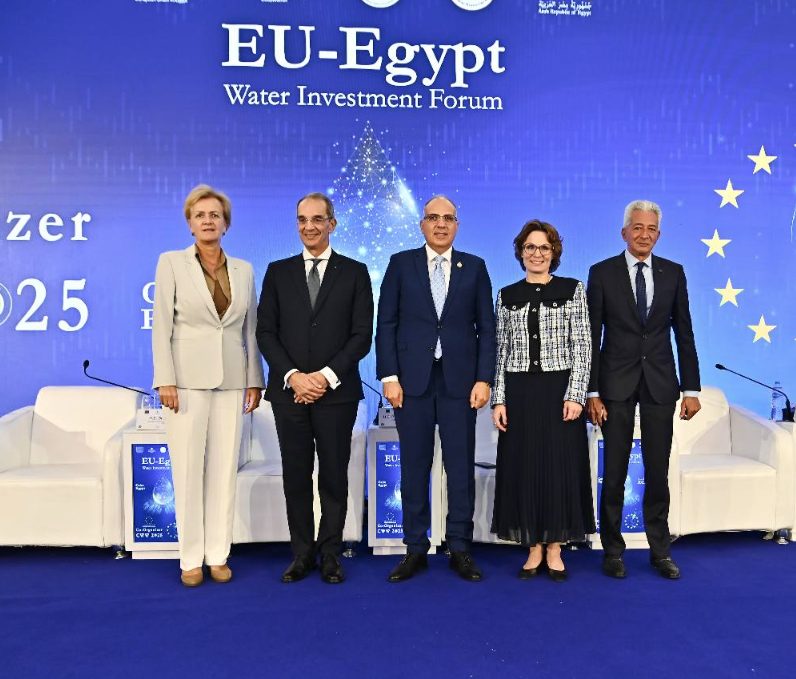
Dr. Al-Sayed emphasized the need for stronger regional cooperation to manage shared water resources and the urgent necessity of adopting adaptive water management strategies to mitigate the impact of climate change.
2. Transboundary Water Management
Another critical issue discussed at the conference was the management of transboundary water resources. The Middle East is home to several major river systems, including the Nile, the Tigris, and the Euphrates, which are shared by multiple countries. Tensions over these watercourses have been a source of conflict for decades.
At a panel discussing transboundary water governance, Dr. Hossam El-Hamalawy, Egypt’s former Minister of Water Resources and Irrigation, stressed, “Water diplomacy in the Arab world is no longer optional. It is imperative for political stability and regional cooperation.”
The most notable example of transboundary water disputes is the Nile River, which serves as the lifeline for Egypt, Sudan, and Ethiopia. The construction of the Grand Ethiopian Renaissance Dam (GERD) has raised concerns about Egypt’s water security, with Ethiopia claiming that the dam is necessary for its development while Egypt fears it could drastically reduce the flow of water.
In this context, the conference called for renewed dialogue and collaborative frameworks to prevent conflicts and ensure the equitable and sustainable use of shared water resources. Dr. El-Hamalawy called for an integrated, basin-wide approach to water management, where stakeholders from all countries involved work together toward shared objectives of water conservation, quality improvement, and ecosystem preservation.
3. Water-Energy-Food Nexus
The intersection of water, energy, and food security was another recurring theme throughout the conference. This nexus, often referred to as the WEF Nexus, focuses on the interdependencies between these critical resources. Dr. Maya Farouk, a water expert at the International Food Policy Research Institute, noted, “In the Arab world, we cannot talk about water security without addressing food and energy security. They are intrinsically linked. A shift toward sustainable agriculture and renewable energy is critical if we are to build resilient water systems.”
The region’s reliance on irrigation for agriculture, which is highly water-intensive, and the increasing demand for energy for desalination and water pumping, underscores the complexity of managing these resources sustainably. The panel discussions called for investments in water-efficient agricultural practices and the scaling up of renewable energy sources, such as solar and wind, to support water desalination efforts without further exacerbating the region’s carbon footprint.
4. Technological Innovations and Solutions
Innovative technologies were also a major focus at Cairo Water Week 2025. From desalination to water reuse, advanced irrigation techniques, and smart water management systems, the conference highlighted cutting-edge solutions that can help alleviate water stress in the region. Dr. Fatima Al-Hashimi, a prominent expert in water technology, said, “Technology can no longer be seen as an option but a necessity. Desalination has made great strides, but we need to expand the scope of these technologies and make them more affordable, especially for countries with limited financial resources.”
Moreover, the role of artificial intelligence (AI) and big data in improving water management was discussed. AI can be used to optimize water distribution, monitor water quality, and predict droughts, helping governments and businesses make better-informed decisions about water use.
5. Analysis and Quotes from Speakers
The discussions at CWW 2025 were clear: the challenges of water scarcity in the Arab world require not just technical innovation but also strong governance and political will. During the opening ceremony, Dr. Mahmoud El-Mougi, the Secretary-General of the Arab Water Ministers Council, made a compelling argument: “Water management in our region cannot succeed without an inclusive approach, one that includes governments, civil society, and the private sector. We must adopt policies that promote equitable water distribution, encourage conservation, and stimulate investment in sustainable solutions.”
One of the most passionate advocates for immediate action was Dr. Mona Zaki, the lead researcher for the Arab Water Strategy. She delivered a sobering assessment of the region’s water future, stating, “We are on the precipice of a water catastrophe. But it is not too late. We have the tools, the knowledge, and the expertise to reverse the damage, if we act now.”
6. Conclusion and Recommendations for Water Sustainability at #CWW2025
Cairo Water Week 2025 made it clear that the Arab world faces a water crisis of unprecedented scale and complexity. While the challenges are immense, there are reasons for optimism. The event underscored the importance of collaboration, innovation, and responsible governance in addressing water issues.
To ensure sustainable water management and security in the region, several key recommendations emerged from the conference:
Strengthening Regional Cooperation: Countries should work together to manage shared water resources, resolve disputes, and develop collaborative frameworks that prioritize water conservation and equitable distribution.
Investing in Water Technologies: There should be greater investment in desalination, water recycling, and water-efficient technologies. Governments and businesses must work together to make these solutions affordable and scalable.
Adopting Integrated Water-Energy-Food Strategies: Governments should adopt policies that address the interlinkages between water, energy, and food security. Sustainable agricultural practices, coupled with renewable energy investments, can reduce water consumption and increase efficiency.
Fostering Public-Private Partnerships: Private sector involvement is crucial to funding and implementing innovative solutions. Public-private partnerships can unlock the financial and technical resources needed to address the water crisis.
Raising Public Awareness and Education: Finally, public awareness campaigns on water conservation should be prioritized. Involving local communities in water management and conservation efforts will ensure long-term sustainability.
To summarize, Cairo Water Week 2025 was a stark reminder of the fragility of water security in the Arab world. However, it also demonstrated the potential for cooperation, innovation, and collective action to safeguard this vital resource for future generations. The time to act is now.
Internal Link: Cairo
Internal Link: Cairo Water Week