

PM Shehbaz Orders Climate Resilience Action Plan 2026 | Urgent Call for Strong Preparedness
PM Shehbaz orders climate resilience action plan, directing the Ministry of Climate Change to prepare for the 2026 monsoon season. Pakistan pushes for urgent climate preparedness.
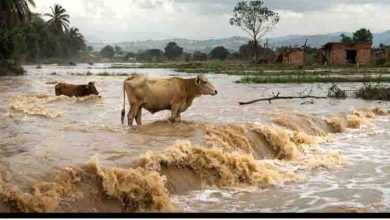
PM Shehbaz orders climate resilience action plan as Pakistan faces increasing threats from extreme weather and climate change. On Friday, Prime Minister Shehbaz Sharif chaired a high-level review meeting in Islamabad to evaluate the devastation caused by heavy rains and flooding.
During the session, the Prime Minister directed the Ministry of Climate Change and Environmental Coordination to draft a comprehensive action plan within two weeks. This plan will specifically address 2026 monsoon season preparedness while ensuring climate resilience for vulnerable communities across Pakistan.
PM Shehbaz’s Urgent Directives
The Prime Minister declared the rehabilitation of flood-affected citizens a national priority.
Key instructions included:
-
Full readiness in river-adjacent southern Pakistan, which faces the highest flood risk.
-
Real-time monitoring of evacuation and relief efforts.
-
A special committee to facilitate financial assistance for unregistered flood victims.
-
Stronger coordination between federal and provincial governments to ensure swift aid delivery.
PM Shehbaz emphasized that 2026 monsoon preparedness must start immediately, with proactive measures instead of reactive crisis management.
Why the Climate Resilience Action Plan Matters
Pakistan ranks among the top 10 most climate-vulnerable nations according to the Global Climate Risk Index
The climate resilience action plan aims to:
-
Reduce loss of life during floods.
-
Strengthen disaster-resilient infrastructure.
-
Support agriculture and food security.
-
Enhance early warning systems for communities.
The urgency is clear: 2022’s catastrophic floods displaced over 33 million people, costing Pakistan over $30 billion in damages. Without forward planning, the 2026 monsoon could bring similar devastation.
Flood Impact and Rescue Operations
Officials briefed PM Shehbaz that floodwaters from Ravi, Sutlej, and Chenab rivers reached central and southern Punjab.
Key updates:
-
Expected water flow: 600,000 cusecs (lower than projected 1.2 million cusecs).
-
Multan district administration and Army units mobilized to protect embankments.
-
Power sector restoration achieved 80% recovery in northern and central Pakistan.
-
Roads and bridges repaired, reopening trade and relief supply routes.
-
Over 2 million people evacuated from high-risk flood zones.
-
More than 4,100 individuals rescued from isolated areas.
These updates highlight Pakistan’s ability to mitigate large-scale disasters when institutions work together.
Government and Army Coordination
PM Shehbaz praised the NDMA, PDMAs, Pakistan Army, and provincial governments for their swift relief response.
Their coordinated action included:
-
6,300 tons of relief goods distributed nationwide.
-
2,400 medical camps established for healthcare.
-
NADRA-led compensation process for deceased families, injured, and property losses.
This collaboration showcases the power of resilience and unity in the face of national disasters.
Future Preparedness and 2026 Monsoon Season
PM Shehbaz’s directive for a 2026 monsoon-focused resilience plan highlights a shift in strategy. Instead of emergency reaction, Pakistan is aiming for early, smart, and sustainable preparation.
The plan will focus on:
-
Strengthening river embankments.
-
Upgrading weather forecasting technology.
-
Expanding climate-resilient housing projects.
-
Community-level evacuation training programs.
Such steps can drastically reduce disaster damage and save thousands of lives.
Healthcare and Relief for Victims
Healthcare remains a critical challenge during climate disasters. Flood-hit regions often face cholera, malaria, and waterborne diseases.
-
2,400+ medical camps are already active.
-
Priority is given to maternal and child health, especially in temporary shelters.
-
Mental health support is being integrated into relief efforts to aid traumatized families.
This comprehensive healthcare support strengthens resilience for future crises.
Global Climate Links
Pakistan’s challenges reflect a global climate emergency.
-
The UNDP has repeatedly stressed that developing nations like Pakistan require international climate finance.
-
Pakistan contributes less than 1% of global greenhouse gas emissions, yet suffers outsized climate impacts.
-
Global cooperation is essential for climate justice, with stronger financial commitments from wealthier nations.
Learn more from UNDP Climate Adaptation
_______________________________________________________________________________________________________________
Conclusion
The directive that PM Shehbaz orders climate resilience action plan marks a turning point in Pakistan’s climate strategy. Instead of waiting for disaster, the government is investing in preparedness for the 2026 monsoon season.
By strengthening infrastructure, healthcare, rescue systems, and international cooperation, Pakistan can protect its citizens and economy from the deadly impacts of climate change.
This decisive step shows that climate resilience is not optional—it’s a national survival strategy.
Internal Link Suggestion: Link this article to your previous ones on Pakistan’s flood crises