
Pakistan Under Water: Shocking Climate Crises and the Urgent Way Forward
Pakistan under water highlights the shocking climate crises threatening lives, economy, and future. Explore solutions, resilience strategies, and the urgent way forward.
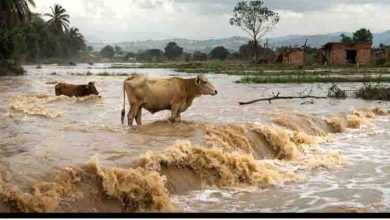
Pakistan under water is no longer a metaphor but a grim reality. In the last decade, devastating floods have repeatedly washed away homes, crops, and lives. Despite contributing less than 1% to global greenhouse gas emissions, Pakistan consistently ranks among the most climate-vulnerable nations.
The escalating climate crises are not just environmental—they strike at the core of Pakistan’s economy, food security, and national stability. From irregular monsoons to glacial melt and urban flooding, the country is trapped in a cycle of recurring disasters.
The Alarming Climate Realities
Rising temperatures, unexpected cloudbursts, and catastrophic floods have made Pakistan under water a frequent headline. The 2022 floods displaced more than 33 million people and caused damages exceeding $30 billion (World Bank Report).
Key climate stressors include:
- Accelerating glacier melt in the north.
- Irregular monsoon patterns causing both drought and flooding.
- Increasing GLOFs (Glacial Lake Outburst Floods).
- Urban flooding in Karachi, Lahore, Rawalpindi, and Islamabad.
Water Management and Flood Control
One of the most critical elements in preventing Pakistan under water scenarios is strategic water management.
- Upgrading existing dams like Tarbela and Mangla.
- Constructing small and medium-sized reservoirs in mountainous regions.
- Regular desilting of rivers and canals.
- Banning garbage dumping into waterways.
The Indus River system, Pakistan’s lifeline, must be protected and modernized with real-time monitoring systems and improved flood diversion channels.
Forests, Ecosystems, and Natural Defenses
Reforestation is an effective shield against floods. Pakistan’s Billion Tree Tsunami project was a bold start, but sustainability is the real test.
Key measures:
- Protect wetlands, mangroves, and riverine forests.
- Launch watershed management in northern Pakistan.
- Engage communities in tree-planting campaigns.
Healthy ecosystems absorb rainfall, stabilize soil, and reduce landslides, making them a natural defense against disasters.
Urban Planning for a Climate Future
Unregulated urbanization has turned cities into flood-prone zones. To prevent future Pakistan under water episodes, cities need climate-smart planning:
- High-capacity drainage and sewage systems.
- Rainwater harvesting systems.
- Permeable pavements and green rooftops.
- Strict enforcement of zoning laws.
Karachi’s repeated urban flooding disasters highlight the urgent need for long-term structural reforms rather than temporary fixes.
Early Warning Systems and Preparedness
Floods often arrive without warning, devastating entire communities. Pakistan must modernize its early warning systems with:
- Doppler radars and weather satellites.
- Dense networks of ground monitoring stations.
- Community-based disaster preparedness drills.
Timely alerts and localized forecasts can save lives and reduce economic losses.
Glaciers and GLOFs: A Silent Threat
The Karakoram and Himalayan ranges are melting at unprecedented rates. New glacial lakes are forming, many of which are unstable and prone to bursting.
Solutions include:
- Engineering interventions like controlled drainage systems.
- Building protective walls and glacial dams.
- Partnering with international research institutions to map glacier risks.
This is vital to avoid catastrophic GLOFs that can wipe out entire valleys.
Agriculture, Energy, and Economic Resilience
Pakistan’s economy heavily relies on agriculture, making it highly climate-sensitive.
- Introduce drought-resistant crops.
- Expand drip irrigation systems.
- Promote agroforestry and crop rotation.
- Reduce dependence on fossil fuels and shift to renewables.
By modernizing agriculture and energy systems, Pakistan can build climate resilience while ensuring food security and energy independence.
Climate Diplomacy and International Support
Pakistan must strengthen its role in global climate diplomacy. It should advocate for climate justice and demand support through mechanisms like the Green Climate Fund and the Loss and Damage Fund established by the UNFCCC (UN Climate Portal).
International funding can help Pakistan:
- Build resilient infrastructure.
- Support displaced communities.
- Invest in green jobs and sustainable industries.
The Way Forward for Pakistan
The solution to Pakistan under water is not reaction but prevention. This requires:
- Cross-sector climate governance.
- Investments in flood management and urban planning.
- Research and education for climate literacy.
- Strong community engagement.
- Effective international partnerships.
The Pakistan Army has admirably responded to disasters, but long-term resilience depends on empowering civilian institutions with resources and training.
Conclusion
Pakistan under water is a tragic yet preventable reality. The nation stands at a crossroads: either continue to suffer devastating cycles of climate disasters or take bold, urgent, and coordinated action.
The time for action is now. Every delay carries a higher cost—lives lost, homes destroyed, and futures stolen. A united, science-driven, and people-centered approach is the only way forward.