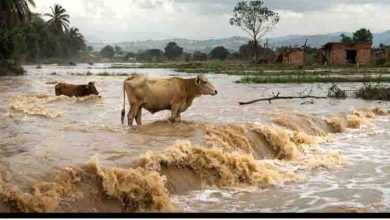

Pakistan Monsoon Rains: Deadly Floods Leave 159 Dead Across Country
Pakistan monsoon rains death toll rises to 159 after 63 die in one day due to flooding and roof collapses in Punjab. Learn how climate change is intensifying the monsoon threat.
Pakistan monsoon rains death toll has surged to 159, with 63 people perishing in just one day, after relentless downpours ravaged Punjab and surrounding provinces. The rains, part of the annual monsoon cycle, turned lethal due to infrastructure vulnerabilities, poor urban planning, and intensified climate patterns.
The National Disaster Management Authority (NDMA) confirmed that since June 25, more than 1,000 homes have been destroyed or severely damaged. Local governments are now racing against time to evacuate vulnerable populations and prevent further loss of life.
Impact Across Punjab: Hundreds Injured, Homes Destroyed
Punjab, Pakistan’s most populous province, has seen catastrophic impacts. The Provincial Disaster Management Authority (PDMA) reported 103 deaths and 393 injuries in Punjab alone. The majority of fatalities have occurred due to roof collapses and flash floods.
Over 120 homes have been demolished, leaving thousands displaced. Rescue workers are battling dangerous conditions to save families trapped in submerged neighborhoods, particularly in low-lying areas with compromised drainage systems.
“Children were screaming for help, and women stood on rooftops, waving their shawls and begging to be rescued,” said Tariq Mehbood Bhatti, a 51-year-old farmer from Ladian village.
Lahore, Faisalabad, and Okara Face Brutal Flooding
The provincial capital Lahore recorded 15 deaths in 24 hours, while Faisalabad saw 9 fatalities. Smaller farming towns like Okara, Pakpattan, and Sahiwal were also hit hard, where infrastructure crumbled under the pressure of sustained rainfall.
In these regions, sewage backflow, standing water, and collapsed walls created hazardous living conditions. Emergency services have been inundated with distress calls as roads became rivers and local dams burst their banks.
Rawalpindi and Islamabad on Alert
A sharp rise in the Nullah Lai River—flowing through Rawalpindi—led to evacuation orders for residents near the riverbanks. The Rawalpindi District Administration declared a public holiday to keep people indoors as a precaution.
The Pakistan Meteorological Department has issued a high flood alert for the Jhelum River in Mangla, warning that adjoining streams and tributaries may overflow in the next 24 hours. Communities near these water bodies are at high risk.
Military & Rescue Operations Underway
The Pakistan Army and Air Force have deployed helicopters and boats to rescue stranded residents, particularly in areas where bridges and roads have been washed away.
“Heavy rains [are] causing extensive damage and also loss of life,” reported Al Jazeera’s Kamal Hyder from Chakwal, adding that dams have burst, and water has surrounded entire villages.
Rescue teams, both governmental and volunteer-based, are on standby for more evacuations. Relief camps are being set up across Punjab, but logistical challenges remain due to blocked highways and flooded fields.
Climate Crisis Fueling Monsoon Disasters
Experts point out that while monsoon rains are a natural and essential seasonal event in South Asia, their destructive potential has grown due to:
-
Rapid, unplanned urbanization
-
Deficient drainage infrastructure
-
Increased frequency of extreme weather events
-
Climate change-induced anomalies
According to climate scientists, global warming has intensified rainfall patterns, making cloudbursts and flash floods more frequent. Pakistan’s vulnerability is compounded by its limited disaster resilience and reactive governance approach.
Read more: UN report on climate vulnerability in South Asia
Future Risks and Government Response
The NDMA and PDMA continue to monitor the situation through satellite data and field reports. However, local residents and climate activists have criticized the lack of early warning systems, delayed evacuation orders, and poor maintenance of stormwater channels.
Government officials stated that over 1,500 emergency staff have been deployed, and medical camps have been established in flood-hit areas. The Ministry of Climate Change also warned that July and August could bring more record-breaking rainfall events.
How Pakistan Can Prepare for Climate Resilience: A National Framework
Conclusion: Preparedness Is Critical
The Pakistan monsoon rains death toll of 159 lives lost is not just a statistic—it’s a wake-up call. Every flood season in Pakistan is turning more deadly due to systemic vulnerabilities and climate inaction.
To prevent future tragedies, Pakistan must:
-
Invest in urban flood management systems
-
Strengthen weather forecasting
-
Enforce building codes for safer housing
-
Empower local governments to act quickly
The current disaster underscores a pressing need for climate adaptation and sustainable development policies that protect both lives and livelihoods.