

Pakistan Faces Billions in Damaging Costs from Plastic Waste, Warns Romina
akistan faces billions in costs from plastic waste, warns Romina Khurshid Alam. Learn about the environmental, health, and economic toll of plastic pollution and the government’s “Plastic-Free Pakistan” campaign.
Pakistan faces billions in costs from plastic waste, a reality that threatens not just the environment but also public health, the economy, and urban infrastructure. Each year, Pakistan generates nearly 3.3 million tons of plastic waste, with most of it mismanaged.
Plastic waste clogs rivers, pollutes cities, and contributes to climate change through greenhouse gas emissions. Globally, plastic pollution has been called one of the defining environmental challenges of our era.
Romina’s Warning on Plastic Waste
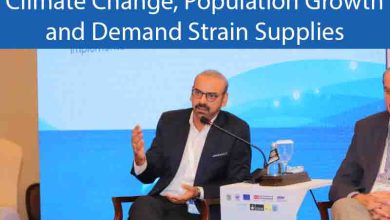
At a Green Action Week 2025 seminar at the National University of Sciences and Technology (NUST), Prime Minister’s Coordinator on Climate Change, Romina Khurshid Alam, issued a stern warning.
She said:
“Plastic pollution has become a defining challenge of our era, with millions of tons choking rivers, cities, and marine ecosystems annually. Microplastics are now infiltrating human bodies, demanding urgent policy and societal action.”
Her remarks underline the urgent and damaging costs of plastic waste in Pakistan, which go beyond cleanup and enter the domains of climate resilience and health security.
Global Economic Burden of Plastic Pollution
Plastic pollution is not just an environmental crisis — it’s an economic one.
- WWF Report (2021): Lifetime cost of plastic produced in 2019 estimated at $3.7 trillion.
- UNEP Estimate: Annual environmental damages from plastics at $19 billion.
- Marine Pollution Studies: Losses ranging from $500 billion to $2.5 trillion annually due to disrupted fisheries, tourism decline, and ecosystem collapse.
These figures show how countries like Pakistan are paying a heavy financial price.
Learn more at World Wide Fund for Nature and United Nations Environment Programme.
Pakistan’s Mounting Cleanup and Health Costs
For Pakistan, the plastic waste crisis translates into:
- Expensive Cleanups: Clearing clogged drainage and rivers.
- Healthcare Burden: Increased cases of asthma, cancer, and waterborne diseases linked to toxic plastics.
- Climate-Related Losses: Urban flooding and biodiversity loss aggravated by poor plastic management.
This puts a strain on Pakistan’s fragile economy, already battling debt distress and climate change impacts.
Government Action: Ban on Single-Use Plastics
To fight the crisis, the government has rolled out a nationwide ban on single-use plastics:
- Initially enforced in Islamabad.
- Expansion across provinces, starting with Punjab.
- Targeted Items: Polythene bags, disposable cutlery, straws, and high-waste products.
- Penalties for violators to ensure compliance.
This ban, though a bold step, is only a partial solution. Regulation alone cannot shift consumption habits.
Plastic-Free Pakistan Campaign
The “Plastic-Free Pakistan” campaign complements the ban with a community-driven approach.
- Promotion of alternatives like cotton bags, paper packaging, and biodegradable products.
- Repurposing confiscated plastics into benches and planters.
- Awareness drives encouraging behavioral change.
This campaign combines policy with grassroots engagement — crucial for long-term success.
Related Reading: Government of Pakistan Ministry of Climate Change.
Public Health and Climate Threats
Plastic waste isn’t just about dirty streets. It’s a public health emergency:
- Microplastics are now present in human blood and lungs.
- Burning plastics release carcinogenic toxins.
- Clogged drains from plastic bags worsen urban flooding, which has devastated Karachi and other cities.
- Marine plastic pollution damages fisheries, reducing food security.
By tackling plastic, Pakistan can simultaneously protect health, fight climate change, and improve disaster resilience.
Solutions and Alternatives
Experts recommend multiple sustainable solutions:
- Stronger Industry Regulations: Holding corporations accountable for plastic packaging.
- Circular Economy Practices: Recycling, reusing, and redesigning plastic use.
- Green Innovation: Investment in biodegradable plastics and eco-friendly packaging.
- Education Campaigns: Shifting consumer behavior from throwaway culture.
Global Lessons for Pakistan
Other countries offer inspiring examples:
- Kenya: Strictest plastic bag ban, with heavy fines and jail time.
- European Union: Comprehensive ban on single-use plastics.
- Bangladesh: First country to ban plastic bags back in 2002.
Pakistan can draw on these models while tailoring policies to local conditions.
Conclusion: Turning the Tide Against Plastic
Pakistan faces billions in costs from plastic waste, but this crisis also offers an opportunity. By banning harmful plastics, promoting alternatives, and engaging citizens, Pakistan can transform the challenge into a pathway for green growth.
As Romina Khurshid Alam put it:
“Together, let us turn the tide on plastic pollution to secure healthy rivers, vibrant habitats, and sustainable communities. This is an investment in our environment and economy that safeguards both current and future generations.”
Key Takeaways
- Pakistan generates 3.3 million tons of plastic waste annually.
- Billions in costs are linked to healthcare, cleanup, and climate damages.
- Government is enforcing a ban on single-use plastics nationwide.
- Plastic-Free Pakistan campaign promotes sustainable alternatives.
- Global experiences can guide Pakistan’s fight against plastic pollution.
Internal Links:
External Links: