
Pakistan Climate Change Clean Energy Commitment on International Day of Clean Energy 2026
Pakistan climate change clean energy efforts gain momentum as President Asif Ali Zardari reaffirms a strong commitment on International Day of Clean Energy, highlighting renewables, solar growth, and climate resilience.
Pakistan climate change clean energy has emerged as a defining national priority as the country marked the International Day of Clean Energy on January 26. President Asif Ali Zardari reaffirmed Pakistan’s commitment to playing an active and responsible role in global efforts to combat climate change, emphasizing clean energy as the backbone of inclusive and sustainable development.
Observed annually on January 26, the International Day of Clean Energy unites governments, civil society organizations, and international institutions to promote awareness of climate change risks and advocate for a just, inclusive transition to clean power systems worldwide.
For Pakistan—one of the countries most exposed to climate shocks—this day carries deep urgency and global relevance.
Why International Day of Clean Energy Matters Globally
The International Day of Clean Energy was established by the United Nations General Assembly to accelerate the global shift away from fossil fuels and toward renewable energy systems that are affordable, reliable, and equitable.
According to the International Energy Agency (IEA), clean energy transitions are essential to limiting global warming to 1.5°C and avoiding irreversible climate damage.
External link: https://www.iea.org
For developing countries like Pakistan, clean energy is not just an environmental issue—it is a matter of economic stability, public health, and climate survival.
Pakistan Ranks Among Most Climate-Vulnerable Nations
Pakistan climate change clean energy policies are shaped by the country’s extreme exposure to climate risks. Ranked among the top ten most climate-vulnerable countries, Pakistan faces:
- Severe heatwaves
- Erratic monsoon rainfall
- Floods and flash floods
- Cyclones and storms
- Prolonged droughts
According to the Global Climate Risk Index, Pakistan has suffered billions in climate-related losses over the past two decades.
External link: https://www.germanwatch.org
These impacts are no longer future threats—they are current realities affecting millions.
Energy Crisis Pushes Pakistan Toward Clean Power
Pakistan’s transition toward climate change clean energy solutions is also driven by economic necessity. Heavy dependence on imported fossil fuels has strained foreign exchange reserves and contributed to rising electricity costs.
Clean energy offers Pakistan:
- Reduced fuel import bills
- Energy independence
- Price stability
- Job creation
President Asif Ali Zardari stressed that investment in safe and clean technologies is essential not only for environmental protection but also for long-term economic resilience.
Pakistan Emerges as One of the Fastest-Growing Solar Markets
One of the most powerful developments in Pakistan climate change clean energy progress is the country’s rapid solar expansion.
By the end of 2025, Pakistan achieved:
- 12 gigawatts (GW) of off-grid solar
- Over 6 GW of net-metered rooftop solar
This solar boom has positioned Pakistan as one of the fastest-growing solar markets globally, particularly in distributed and rooftop systems.
According to government data, solar adoption has surged across households, businesses, and agricultural sectors.
Renewables Reach Historic Share of Electricity Generation
In a landmark achievement, renewable energy accounted for 53% of Pakistan’s total electricity generation in the last fiscal year, according to Romina Khurshid Alam, the Prime Minister’s Coordinator on Climate Change.
This milestone signals a structural shift in Pakistan’s energy mix and reflects years of gradual policy reforms, private investment, and public demand for cleaner power.
Clean Energy as a National Policy Priority
President Asif Ali Zardari described clean energy as central to Pakistan’s national development framework, emphasizing that sustainable power is essential for inclusive growth.
Key government targets include:
- 30% electric vehicle (EV) sales by 2030
- Expansion of renewable infrastructure
- Support for clean technology investments
The government aims to integrate climate resilience into energy planning while ensuring affordability for low-income communities.
Air Pollution: A Silent Public Health Emergency
Air pollution remains one of Pakistan’s most pressing public health crises. Major cities regularly rank among the world’s most polluted, contributing to respiratory illnesses, premature deaths, and economic losses.
President Asif Ali Zardari highlighted air pollution as a serious social and economic burden, noting that clean energy adoption can significantly reduce emissions and healthcare costs.
According to the World Health Organization (WHO), air pollution causes millions of premature deaths globally each year.
External link: https://www.who.int
Climate Disasters Reinforce the Urgency of Action
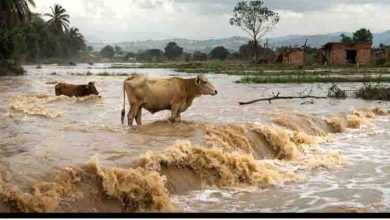
Pakistan’s climate vulnerability was tragically exposed during the 2022 monsoon floods, which:
- Killed over 1,700 people
- Displaced 33 million
- Caused more than $30 billion in losses
In 2024, over 1,000 additional deaths were reported due to extreme monsoon rains, flash floods, and excess water releases upstream.
These disasters underscore why Pakistan climate change clean energy strategies are not optional—they are existential.
Pakistan’s Role in Global Climate Cooperation
Pakistan has repeatedly called for:
- Climate finance for vulnerable countries
- Technology transfer
- Climate justice in global negotiations
As a developing nation contributing minimally to global emissions, Pakistan argues that wealthy countries must fulfill their climate finance commitments under international agreements.
External link: https://unfccc.int
Conclusion: A Defining Moment for Pakistan’s Clean Energy Future
The International Day of Clean Energy highlights a decisive moment for Pakistan. With growing renewable capacity, ambitious policy targets, and global engagement, the country is signaling a serious and strategic commitment to climate action.
Pakistan climate change clean energy efforts now stand at the intersection of environmental responsibility, economic reform, and social protection. The challenge ahead lies in sustaining momentum, ensuring inclusivity, and translating policy promises into long-term resilience for millions.