
New Horizons for Climate Education in Belarus: From Theory to Practice and Inclusion
Discover how Belarus is transforming climate education with hands-on learning, inclusivity, and practical solutions to empower the next generation.
As the impacts of climate change grow ever more severe, equipping young people with the tools to confront these challenges has become an urgent global priority. In Belarus, a transformative shift in climate education is underway, moving beyond theoretical knowledge to foster practical skills, inclusivity, and actionable solutions.
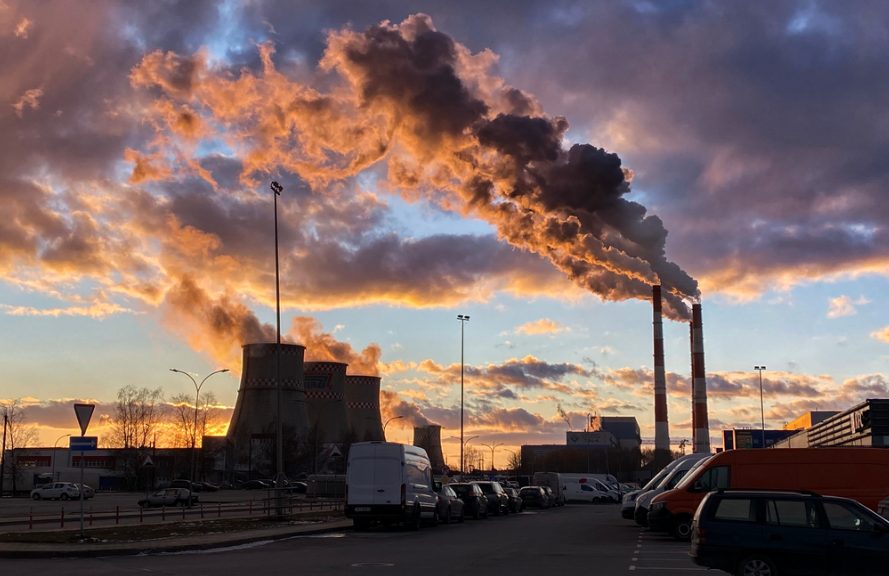
A recent survey of 10,000 young people aged 16 to 25 revealed that 70% are deeply concerned about climate change. However, focusing solely on fear is not enough. Instead, the emphasis must be on empowering this generation to understand the crisis, adopt sustainable behaviors, and drive innovation. By improving climate literacy, young people can make informed choices—reducing their carbon footprints, championing sustainable practices, and embracing green technologies. Their active engagement is crucial for mitigating climate change and inspiring future generations.
The Role of UNDP in Transforming Climate Education
The United Nations Development Programme (UNDP) in Belarus, alongside national partners, is spearheading this educational evolution. A landmark event in this effort was the Republican Forum “Green Schools – Successful Future,” held in Minsk in late February. Organized by the Republican Centre for Ecology and Local History, with support from UNDP’s Climate Box project, the forum brought together over 100 teachers, experts, and students to reimagine climate education.
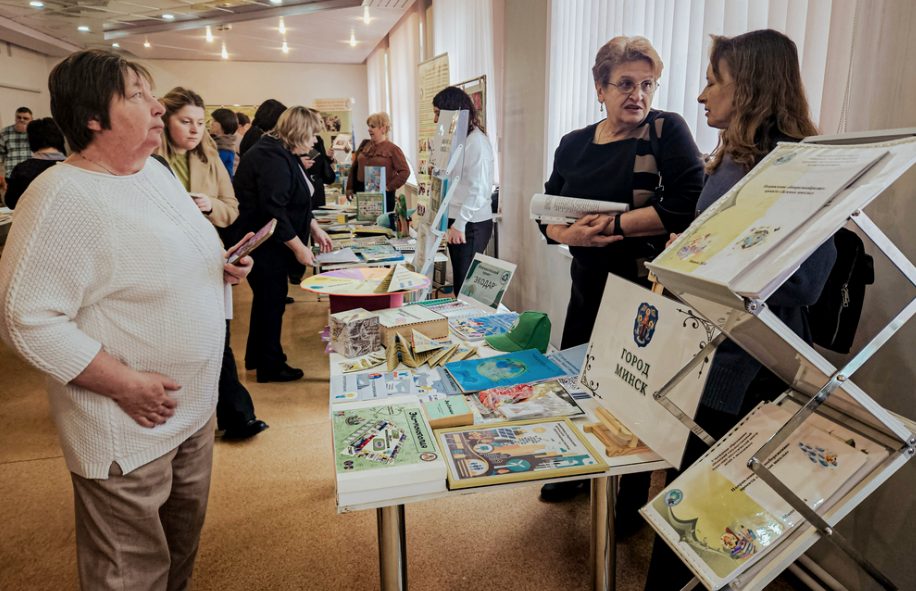
Photo: UNDP in Belarus
Key Highlights from the Minsk Forum:
- Interactive Learning: The launch of the updated Climate Box, an educational toolkit designed to make climate science engaging and accessible.
- Inclusion in Climate Education: The introduction of manuals tailored for children with special developmental needs and preschoolers.
- Hands-On Engagement: A shift from theoretical knowledge to practical applications, fostering a more dynamic learning environment.
The Climate Box: A Game-Changer in Education
At the heart of the forum was the launch of the updated Climate Box, a dynamic educational toolkit that transforms climate education from a static collection of facts into an engaging, hands-on experience.
What Makes the Climate Box Unique?
- Interactive Case Studies: Real-world scenarios to help students understand the consequences of climate change.
- Hands-On Experiments: Encouraging students to analyze environmental factors through engaging activities.
- Project-Based Learning: Empowering students to develop solutions for local climate challenges.
By shifting from passive learning to active participation, the Climate Box is equipping students with the necessary skills to become problem solvers in the fight against climate change.
Inclusive Climate Education: A Step Toward Sustainability
The Minsk forum also emphasized inclusivity, unveiling two new manuals tailored for children with special developmental needs and preschoolers. These age-appropriate resources aim to simplify complex climate concepts, ensuring that all children, regardless of ability, can contribute to environmental stewardship.
Benefits of Early Climate Education:
- Fostering Responsibility: Teaching young children about sustainability encourages long-term behavioral changes.
- Encouraging Participation: Inclusive learning ensures that children from all backgrounds can engage in climate action.
- Building a Climate-Conscious Generation: Early exposure to environmental issues helps cultivate lifelong awareness and activism.

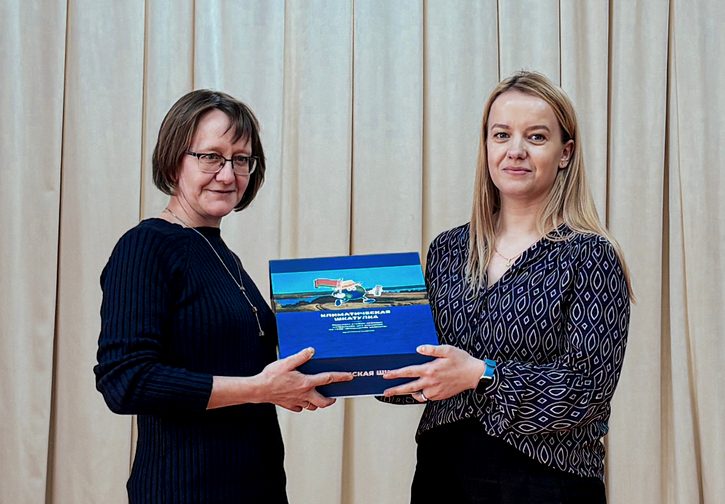
The sets of educational materials “Climate Box” have already been distributed among schools in all regions of Belarus.
Photo: UNDP in Belarus
Bridging the Gap Between Education and Action
The Minsk Forum underscored a broader trend: climate education is no longer a niche theme. Through innovative teaching methods, interdisciplinary approaches, and real-world applications, Belarus is bridging the gap between classrooms and society.
Strategies for Effective Climate Education:
- Integrating Climate Studies into the Curriculum: Expanding climate topics into subjects like geography, science, and social studies.
- Encouraging Student-Led Initiatives: Supporting eco-clubs, green projects, and sustainability campaigns in schools.
- Collaborating with Environmental Organizations: Partnering with NGOs and government agencies for enhanced climate programs.
The Global Impact of Belarus’s Climate Education Efforts
Belarus’s commitment to climate education signals a crucial shift in the global narrative—everyone has a role to play in sustainability. Every textbook, lesson, and student project contributes to a more environmentally responsible future.
The Ripple Effect:
- Inspiring Other Nations: Belarus’s approach serves as a model for other countries looking to revamp climate education.
- Promoting Cross-Border Collaboration: Encouraging knowledge-sharing among educators and policymakers worldwide.
- Strengthening Youth Engagement: Empowering young leaders to advocate for sustainable practices at local and international levels.
Conclusion
As the world grapples with the climate crisis, initiatives like those in Belarus remind us that the fight for the planet begins in the classroom. By combining interactive learning, inclusivity, and real-world applications, climate education can empower the next generation to drive meaningful change.
Internal Links:
- How Schools Can Promote Sustainable Practices
- The Role of Youth in Climate Action
- Best Educational Resources for Teaching Climate Science
External Links:
- United Nations Development Programme – Climate Action
- Republican Centre for Ecology and Local History
Call to Action: Educators, policymakers, and students—join the movement for a greener future. Start implementing interactive and inclusive climate education today!