
2025 FELLOWSHIPS AT VOICE OF WATER
Climate Change

Climate Inaction Crisis: Heavy Costs Exposed in New Warning by Musadik Malik 2024

Climate Inaction is costing Pakistan lives and billions, warns Dr Musadik Malik. Learn how delayed climate response is deepening human, social, and economic losses.

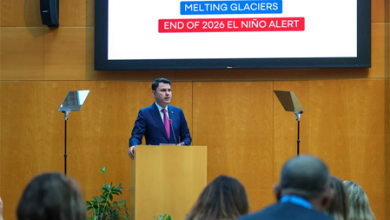
Climate Inaction is emerging as one of Pakistan’s gravest challenges, carrying consequences far beyond economic loss. This was the central message delivered by Federal Minister for Climate Change and Environmental Coordination, Dr Musadik Malik, during a high-level panel discussion in Islamabad. Hosted by the Pakistan Business Council (PBC), the discussion titled Climate Resilience: Who Pays the Price for Delay?” brought together senior government officials, development experts, researchers, and private-sector leaders.

Climate Inaction has pushed Pakistan into a zone of recurring disaster, eroding human security, economic stability, and social resilience. Speaking at the PBC event, Dr Malik emphasized that the price is “no longer theoretical—it is being paid in lives, disability, education loss, and community breakdown.”

He reminded the audience that Pakistan’s last four major flood cycles claimed nearly 4,700 lives—a death toll he described as “more than any war Pakistan has fought.”
These floods also injured or permanently disabled 18,000 people, creating long-term health and economic burdens on families.

To visualize the scale of destruction, consider that over three million people have been displaced, many losing their homes, land, and generational livelihoods.


Climate Inaction and its Devastating Human Cost

The human toll of Climate Inaction is staggering. Dr Malik argued that Pakistan stands on the frontlines of climate devastation, yet action remains painfully slow.

4,700 Lives Lost

Repeated floods since 2010 have washed away entire communities, causing preventable deaths.

18,000 Injuries and Disabilities

Beyond fatalities, thousands have suffered injuries that permanently changed the course of their lives.

Three Million Displaced

Displacement leads to trauma, asset loss, interrupted education, and long-term instability.

Children Pay the Highest Price

  • disrupted schooling,
  • high malnutrition rates,
  • increased disease exposure.

According to UNICEF and UNDP reports (DoFollow), Pakistan’s disaster-affected children face the highest vulnerability index in South Asia.


Economic Cost of Climate Inaction

While the physical destruction is visible during floods, the economic fallout is deeper and long-lasting. Pakistan’s flood-related losses exceed $30 billion since 2010, according to World Bank assessments (DoFollow).

Massive Reconstruction Costs

Rebuilding roads, bridges, schools, and clinics after each flood drains public finances.

Damage to Agriculture

Agriculture employs over 45% of Pakistan’s workforce. Floods destroy:

  • crops,
  • livestock,
  • irrigation channels,
  • farm equipment.

This leads to inflation, food insecurity, and prolonged economic shock.

Uninsured Losses

With minimal risk insurance adoption, most damages hit families directly, worsening poverty cycles.


Social Breakdown Triggered by Climate Inaction

The price of climate change is not just economic—it is paid in disability, death, loss of education, and the breakdown of social cohesion,” Dr Malik said.

Community Disintegration

Entire villages forced to migrate create overcrowding in urban areas, increasing:

  • crime rates,
  • housing pressure,
  • unemployment.

Education Collapse

Schools washed away during floods lead to:

  • long-term dropout rates,
  • especially among girls,
  • and reduced literacy in rural districts.

Mental Health Crisis

Displaced families face trauma, despair, and chronic anxiety—rarely recognized in national policy.


Private-Sector Engagement and Climate Financing Needs

The private sector was urged to move beyond CSR-driven interventions and into climate-smart investment.
The PBC highlighted:

  • green supply chains,
  • renewable energy transition,
  • climate-resilient infrastructure,
  • and local R&D in climate adaptation.

Dr Malik stressed that climate resilience is not charity; it is smart economics.

He called for:

  • new financing models,
  • public-private partnerships,
  • green industrial innovation,
  • and technology transfer.

Businesses were urged to adopt global ESG frameworks in line with UN SDGs (DoFollow).


Government’s Push Toward Climate Resilience

The Ministry of Climate Change is advancing several resilience programs:

1. National Adaptation Plan

Focuses on early-warning systems, disaster preparedness, and climate-resilient infrastructure.

2. Recharge Pakistan Programme

A partnership with the Green Climate Fund to utilize wetlands for flood absorption.

3. Climate-Resilient Housing Projects

Safer designs for rural flood-prone regions.

4. Renewable Energy Expansion

Solarization drives and policy reforms to increase clean energy adoption.

The government reiterated that climate finance must be prioritized and mainstreamed across development sectors.


Pakistan is one of the lowest greenhouse gas emitters globally yet ranks among the top 10 most climate-vulnerable countries (Germanwatch Index – DoFollow).

This reinforces the need for:

  • global climate justice,
  • loss & damage funding,
  • fair climate financing,
  • and technology access.

Pakistan’s leadership continues to advocate these priorities at UN climate conferences.


The message from Islamabad is clear: Climate Inaction is a national emergency, not an environmental issue alone. The human toll—lives lost, children displaced, livelihoods destroyed—is already far too high. Economic and social systems are breaking under the pressure of repeated disasters.

Dr Musadik Malik’s warning serves as a national call-to-action:
Invest in resilience now, or Pakistan will continue to pay an unbearable price.

VOW Desk

The Voice of Water: news media dedicated for water conservation.
Back to top button