
Catastrophic Rains, Floods in Pakistan Threaten Food Security: UN Issues Grim Warning
Catastrophic rains, floods in Pakistan have destroyed major crops, threatening food shortages and inflation. The UN warns of worsening disaster in coming weeks.
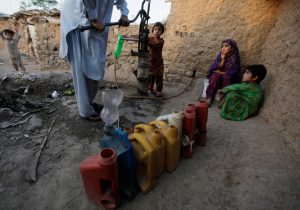
Catastrophic rains, floods in Pakistan have wreaked havoc on agriculture, livelihoods, and communities, leaving millions vulnerable to hunger and displacement. According to the United Nations, the relentless monsoon rains have submerged vast farmlands, washed away livestock, and destroyed crops across the country’s most fertile regions.
The UN has sounded the alarm, calling the disaster a climate-induced crisis that could unleash a severe food shortage and trigger inflation across Pakistan.
Devastation Across Punjab: The Food Basket of the Nation
Punjab, Pakistan’s largest province and agricultural hub, has been the hardest hit. Known as the nation’s food basket, Punjab provides the majority of rice, sugarcane, and sesame seeds for domestic consumption and exports.
Last week, flash floods swept across northeastern Punjab, drowning hundreds of villages, schools, and health facilities. Livestock, vital to rural families’ survival, has been washed away, worsening the humanitarian crisis.
Local authorities report that around 50 people have lost their lives, while rescue workers continue to evacuate residents from submerged towns.
Southern Sindh Braces for Incoming Floodwaters
As the waters from Punjab flow downstream, experts fear devastating impacts in Sindh province, home to millions and already prone to climate-related flooding. Officials warn that the Indus River may breach its embankments, threatening new waves of displacement and agricultural losses.
This southward movement of floodwaters is being closely monitored by relief agencies. Sindh’s rural communities are particularly vulnerable, given their dependence on small-scale farming and livestock.
UN Issues Climate Change Alarm
The UN Resident and Humanitarian Coordinator for Pakistan described the scene as “not normal, yet becoming the new normal,” highlighting the destructive role of climate change in reshaping Pakistan’s monsoon cycle.
“Flooded rice fields stretch as far as the eye can see. Farmers now face months without crops or income until the next planting season,” he wrote on X (formerly Twitter), after visiting Hafizabad district.
The UN also warned that heavier rains are expected in the coming weeks, compounding the destruction and threatening further displacements.
Farmers Face Unprecedented Losses
Waqar Ahmad, Secretary General of the Kisan Board of Pakistan, echoed the UN’s concerns. He confirmed that catastrophic floods have wiped out rice, sugarcane, and sesame crops in Punjab.
According to him, 70% of the standing rice crop has been destroyed, a devastating blow for Pakistan, one of the world’s largest rice exporters. Farmers are now left without food, income, or seeds for the next planting cycle.
“This is not just another natural disaster,” Ahmad said. “It is a direct result of climate change altering our weather systems and destroying livelihoods.”
Impact on Rice, Sugarcane, and Sesame Crops
-
Rice: The worst-hit crop, with 70% destroyed in major rice-producing districts.
-
Sugarcane: Floodwaters have damaged standing crops, reducing yields and threatening sugar supply chains.
-
Sesame: Oil-rich sesame seeds, vital for domestic use and export, have been washed away in key areas.
This massive agricultural loss will not only impact local farmers but also strain Pakistan’s food imports and trade balance.
Humanitarian Toll: Millions Affected
According to government data:
-
2 million people have been directly affected.
-
700,000+ people have been displaced from their homes.
-
Dozens of lives have been lost, and the toll is expected to rise.
Schools, hospitals, and roads have been swept away, cutting off rural communities from relief supplies. Aid agencies warn of an escalating crisis if rains continue.
The Rising Threat of Food Inflation
The destruction of crops is expected to push food prices to record highs in the coming months. Inflation has already battered Pakistani households, and the loss of rice, sugar, and oil crops will further destabilize food security.
Economists warn that Pakistan may face severe shortages of staple foods, forcing the country to increase imports at a time of economic hardship and high external debt.
Looking Ahead: Climate Change and Monsoon Patterns
Experts stress that these catastrophic rains and floods are part of a larger climate change pattern. Pakistan, despite contributing less than 1% to global greenhouse gas emissions, remains one of the world’s most climate-vulnerable countries.
Climate scientists have repeatedly warned that erratic monsoons and glacial melt in the Himalayas will make floods more frequent and severe in South Asia.
To mitigate future disasters, Pakistan must strengthen its flood defense infrastructure, improve climate-resilient farming practices, and push for greater international support on climate finance.
Conclusion: A Nation on the Brink
The ongoing catastrophic rains, floods in Pakistan are more than a seasonal tragedy—they are a harbinger of a climate-driven future where food insecurity, displacement, and economic instability will become recurring challenges.
The UN’s grim warning, backed by farmers’ testimonies, is a call to action for Pakistan and the global community. Without urgent measures to adapt to climate change, Pakistan’s agriculture—the backbone of its economy—faces an uncertain future.