
Alarming Glacier Melt in Pakistan: Deadly Floods Trigger Urgent Climate Warning
Pakistan glacier melt risks are rising after deadly floods. Experts warn of climate change impacts on water security, agriculture, and vulnerable communities.
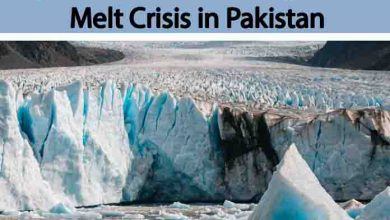
Pakistan glacier melt risks are rapidly increasing as climate change accelerates extreme weather events across the country. Authorities have issued fresh warnings following devastating floods in 2025, which exposed the growing dangers posed by melting glaciers in northern regions.
With over 13,000 glaciers, Pakistan holds the largest concentration outside polar regions, making it highly vulnerable to climate-induced disasters.
Pakistan Glacier Melt Risks Intensify
The government has raised alarm over Pakistan glacier melt risks, warning that rising temperatures are accelerating glacier retreat and increasing the likelihood of disasters.
President Asif Ali Zardari highlighted the seriousness of the situation, stating that climate change is intensifying glacier melt and creating new threats to lives, infrastructure, and water security.
“Climate change is accelerating glacier melt and increasing the likelihood of glacial lake outburst floods,” he said.
The warning coincided with the observance of World Day for Glaciers on March 21.
Deadly Floods Highlight Climate Threat
Recent disasters have underscored the urgency of addressing Pakistan glacier melt risks.
The 2025 floods caused losses of approximately Rs822 billion ($2.9 billion) and claimed more than 1,000 lives nationwide. Authorities linked the disaster to rising temperatures and shifting glacier patterns in the Hindu Kush–Karakoram–Himalaya region.
These events follow the catastrophic 2022 Pakistan floods, which killed over 1,700 people and submerged vast areas of the country.
Despite contributing minimally to global emissions, Pakistan remains among the most climate-vulnerable nations in the world.
Importance of Glaciers for Pakistan
Glaciers play a critical role in Pakistan’s survival and economy.
The country’s glacier system feeds the Indus River, which supports:
- Agriculture and irrigation
- Hydropower generation
- Drinking water supply
Millions of people depend on this water system for their livelihoods. Any disruption in glacier patterns directly threatens food security, energy production, and urban water supply.
Rising Threat of Glacial Lake Outburst Floods
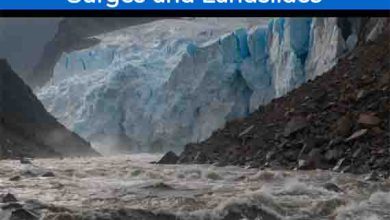
One of the most dangerous consequences of glacier melt is the increasing risk of Glacial Lake Outburst Floods (GLOFs).
These sudden floods occur when glacial lakes burst due to rising water pressure or weakening ice barriers.
Regions most at risk include:
- Gilgit-Baltistan
- Khyber Pakhtunkhwa
Communities in these areas face growing exposure to:
- Flash floods
- Landslides
- Infrastructure damage
Experts warn that without proper mitigation, GLOFs could become more frequent and devastating.
Government Response and Policy Measures
The government has initiated several policy measures to address Pakistan glacier melt risks.
Key frameworks include:
- National Climate Change Policy 2021
- National Adaptation Plan 2023
- Commitments under international climate agreements
These policies aim to enhance climate resilience, improve disaster preparedness, and reduce vulnerability.
President Asif Ali Zardari emphasized that protecting glaciers is essential for national stability and long-term sustainability.
Regional and Global Cooperation Needed
Addressing Pakistan glacier melt risks requires coordinated international efforts.
Pakistan has called for:
- Improved data sharing among regional countries
- Advanced early warning systems
- Increased access to climate finance
Global organizations like the United Nations play a key role in supporting climate adaptation initiatives.
For more information, visit the UN climate portal: https://www.un.org/en/climatechange
Future Outlook and Climate Resilience
The future of Pakistan’s glacier systems depends on immediate and sustained action.
Key priorities include:
- Strengthening disaster management systems
- Investing in climate-resilient infrastructure
- Promoting sustainable water management
- Supporting vulnerable mountain communities
Experts stress that combining policy reforms with community-level adaptation can significantly reduce risks.
Conclusion
The growing Pakistan glacier melt risks present a serious challenge to the country’s future. The devastating floods of recent years serve as a stark reminder of the consequences of climate inaction.
Protecting glaciers is not just an environmental issue—it is essential for water security, economic stability, and human survival.
As President Asif Ali Zardari warned, the choices made today will determine the fate of future generations.
Pakistan must act decisively, in partnership with global stakeholders, to safeguard its glaciers and build a resilient, sustainable future.
Internal Links
- Read more: Pakistan Climate Change Crisis
- Explore: Flood Risks in Northern Pakistan