
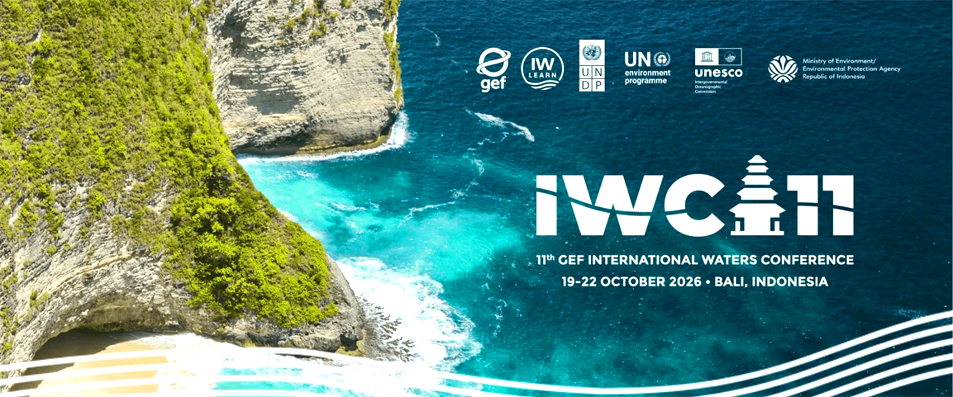
IWC11 Bali: GEF Shared Waters Conference Opens 2026
The 11th GEF International Waters Conference (IWC11) in Bali brings 400+ delegates together to turn shared-water lessons into systems change.
BALI, Indonesia, 22 October 2026 – From river basins that cross borders to oceans that belong to no single nation, the world’s shared waters are under pressure. This week in Bali, the global water community is asking how to protect them at scale.
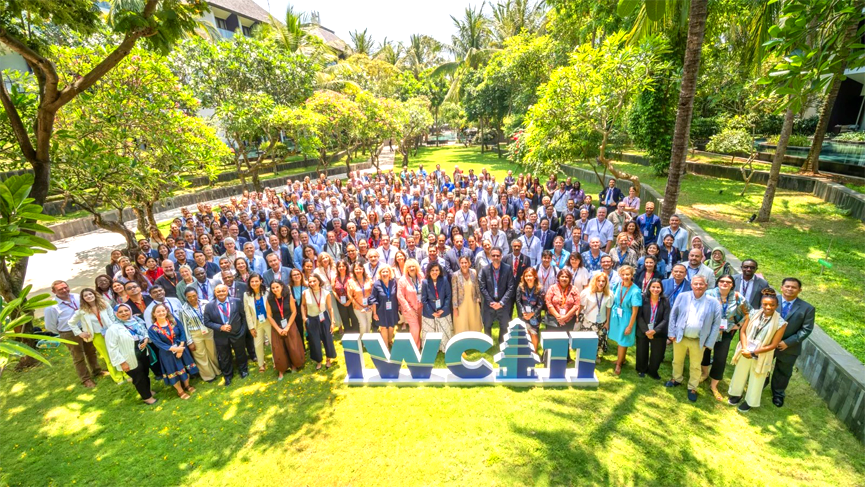
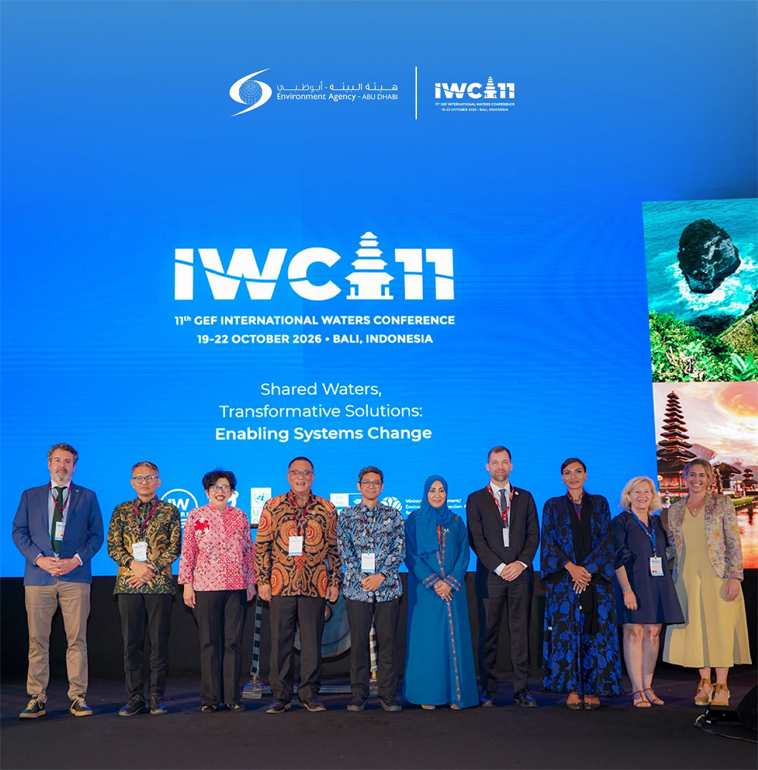
More than 400 delegates from governments, international organizations and development partners gathered in Bali for the 11th GEF Biennial International Waters Conference (IWC11), held from 19 to 22 October 2026. The conference closes today.
What is IWC11?
The International Waters Conference is the flagship learning event for the Global Environment Facility’s International Waters focal area. The focal area has a mandate to support transboundary cooperation on shared marine and freshwater ecosystems.
Organizers announced earlier this year that the conference is run within the GEF IW:LEARN project, implemented by UNDP and UNEP, and co-organized with UNESCO’s Intergovernmental Oceanographic Commission (IOC). Indonesia’s government is a co-host, together with the GEF and other partners.
The event is held every two years. This 11th edition builds on ten earlier conferences and more than 30 years of the GEF International Waters portfolio. The last edition took place in Punta del Este, Uruguay.
The theme: “Shared Waters, Transformative Solutions: Enabling Systems Change”
The theme reflects a shift in how the sector talks about water. Individual projects, however successful, rarely fix problems on their own. Pollution, overfishing, habitat loss and water scarcity are tied to energy, agriculture, trade and climate. Delegates are therefore looking at the policies, institutions, financing and partnerships that let good results spread beyond a single project.
The conference serves as a place for the GEF International Waters community to exchange knowledge, share practical solutions and strengthen collaboration on the challenges facing transboundary freshwater and marine ecosystems.
Who is in the room
IWC11 brings together governments, GEF Agencies, regional organizations, executing partners, scientific institutions, civil society and development partners. That mix matters. Transboundary water management depends on countries that share a basin, coastline or aquifer agreeing on rules and then keeping to them. Scientists, community groups and implementing agencies each hold part of the picture.
unep
The UN agencies are visible. The UNEP-GEF International Waters Unit is taking part throughout the conference and runs an exhibition booth showcasing its portfolio, which spans freshwater, groundwater, coastal and marine ecosystems. FAO is also participating, drawing on more than two decades of partnership with the GEF and International Waters projects in 67 countries, with a focus on sustainable fisheries, ecosystem-based management and stakeholder engagement.
Turning lessons into a funding roadmap
A major thread running through the week is the next GEF funding cycle. Ahead of the ninth cycle (GEF-9), IWC11 is examining how experience from International Waters programs can inform future priorities. Partners such as FAO have said they hope lessons from past GEF work will help shape those GEF-9 priorities.
Donors and governments want evidence of what works, where, and why. A conference built around project results and lessons learned can supply that evidence.
Why Bali, and why Indonesia
Indonesia is an archipelago of more than 17,000 islands, and water links its economy, culture and food supply. It sits at the heart of the Coral Triangle and borders some of the world’s busiest marine corridors, so it has a direct stake in cooperation on shared seas. Indonesia has said it wants to share its own experience while learning from the successes of other countries in protecting and managing shared waters.
Bali also gives delegates a vivid backdrop. The island’s traditional subak irrigation system, recognized by UNESCO, is a long-standing example of communities sharing water through cooperative governance.
What “systems change” could mean in practice
The conference has not issued a final outcome document as of this report, but the shape of the discussion is clear. Observers expect emphasis on several areas:
Stronger transboundary institutions: river basin organizations, regional seas programs and joint commissions that can outlast individual projects and political cycles.
Science-informed decisions: better data sharing and monitoring so that countries managing the same water body work from the same facts.
Inclusive governance: a real role for local communities, women, youth and Indigenous peoples in decisions about shared resources.
Sustainable finance: blending public funding, private investment and long-term financing to keep results going after project grants end.
Knowledge exchange: sharing “Experience Notes” and results from GEF-supported projects worldwide so that one region’s breakthrough can be adapted elsewhere.
Why it matters beyond the conference hall
Shared waters are not a niche issue. Most of the world’s freshwater flows through basins that cross national borders, and the health of the oceans depends on how neighbouring countries manage fisheries, pollution and coastal development. When cooperation works, it can prevent disputes, protect livelihoods and conserve biodiversity. When it fails, the costs fall hardest on communities that depend directly on rivers, lakes and seas.
IWC11 offers a chance to move from project-by-project success to lasting change across entire systems. Whether it does will depend on what governments, agencies and funders do once the delegates go home.