
Karachi Heatwave Crisis Triggers Severe Water Shortages and Painful Loadshedding
Karachi Heatwave Crisis intensifies as temperatures hit 46°C feel-like levels while water shortages and prolonged loadshedding worsen public suffering.
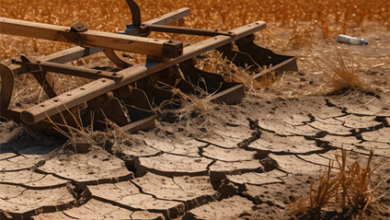
KARACHI: The worsening Karachi Heatwave Crisis has pushed residents of Karachi into severe hardship as extreme temperatures, prolonged loadshedding, and widespread water shortages continue affecting millions across the city.
On Sunday, Karachi recorded a temperature of 40.9°C, while the “feel-like” temperature surged to 46°C due to high humidity levels, according to officials from the Pakistan Meteorological Department (PMD).
Authorities warned that the hot and humid weather pattern is expected to continue throughout the week.
Karachi Faces Intense Heatwave
The ongoing Karachi Heatwave Crisis has intensified with dangerous daytime temperatures affecting daily life across the city.
At around noon, officials recorded a feel-like temperature of 46°C because of extreme humidity.
Weather experts warned that hot conditions are likely to persist not only in Karachi but also across other parts of Sindh.
Water Shortages Deepen Public Misery
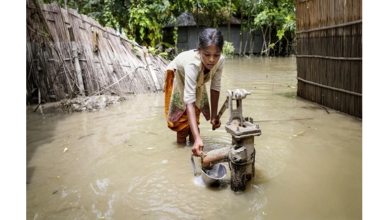
The severe heatwave has coincided with ongoing water shortages across many Karachi neighborhoods.
Residents reported continued supply disruptions after ruptured pipelines and power breakdowns affected pumping operations.
The Karachi Water and Sewerage Corporation (KWSC) stated that repair work on a major PRCC pipeline had been completed and supply restoration efforts were underway.
However, many residents say shortages remain severe.
KWSC Explains Supply Disruptions
According to the utility authority, a power failure disrupted operations at the Dhabeji pumping station, temporarily impacting water supply across the city.
Officials claimed that water supply had resumed in several areas including:
- Korangi
- Malir
- Chanesar
- Saddar
- Clifton
- DHA
Despite restoration efforts, Karachi continues facing a major supply gap. The city reportedly receives around 610 million gallons per day (MGD) against a requirement of 650 MGD, leaving a shortfall of approximately 40 MGD.
Areas Still Facing Water Crisis
Residents in several neighborhoods continue reporting severe shortages, including:
- Landhi
- Shah Faisal Colony
- North Karachi
- New Karachi
- Baldia Town
- Gulistan-i-Jauhar
- Orangi Town
Many households have reportedly been forced to purchase expensive private water tankers.
Loadshedding Sparks Public Anger
The Karachi Heatwave Crisis has been further aggravated by prolonged electricity outages in many parts of the city.
Residents complained that excessive loadshedding during extreme temperatures has made living conditions unbearable.
Affected areas reportedly include:
- Mauripur
- Scheme-33
- Lyari
- Nazimabad
- Malir
- North Karachi
Residents Protest in Mauripur
Residents in Mauripur staged protests against prolonged loadshedding and water shortages by blocking Hawkesbay Road and burning materials on the roadway.
The protest reflected growing public frustration over worsening utility failures during dangerous heat conditions.
K-Electric Announces Temporary Relief Measures
K-Electric spokesperson Imran Rana stated that maintenance shutdowns and economic loadshedding had been temporarily suspended during peak heat conditions.
According to the company:
- Economic loadshedding is usually suspended when temperatures reach 45°C
- Maintenance shutdowns were paused during heatwave advisories
However, many residents claim outages continue despite these assurances.
MQM-P Criticizes Sindh Government
Lawmakers from the Muttahida Qaumi Movement-Pakistan (MQM-P) strongly criticized the handling of the water crisis.
In a joint statement, MQM-P lawmakers accused the provincial administration of:
- Mismanagement
- Negligence
- Delayed repairs
- Administrative failures
The lawmakers argued that official claims of restored normalcy do not reflect realities on the ground.
Recently, Sindh Chief Minister Murad Ali Shah also expressed concern over prolonged power outages, especially in underprivileged areas.
Climate Change and Urban Vulnerability
Experts warn that the Karachi Heatwave Crisis reflects broader climate-related urban challenges facing Pakistan.
Major concerns include:
- Rising temperatures
- Urban heat island effects
- Infrastructure stress
- Water insecurity
- Energy shortages
Climate scientists say rapidly growing cities like Karachi are increasingly vulnerable to extreme weather events.
External Resources
Conclusion
The ongoing Karachi Heatwave Crisis has exposed serious vulnerabilities in the city’s water, electricity, and urban infrastructure systems.
As temperatures continue rising and residents struggle with water shortages and prolonged loadshedding, public frustration is growing across multiple neighborhoods.
Experts warn that climate change, population growth, and aging infrastructure are combining to intensify risks for millions of Karachi residents.
Authorities now face mounting pressure to improve water management, reduce power outages, and strengthen climate resilience measures before future heatwaves become even more severe.