
Alarming Water Crisis in Pakistan: PM Shehbaz Sharif Issues Urgent Warning on World Water Day
Pakistan water crisis worsens as PM Shehbaz Sharif warns of climate impacts, dam projects, and urgent reforms needed to secure future water resources.
Pakistan water crisis is becoming increasingly severe, with top leadership issuing urgent warnings about the country’s future water security. On the occasion of World Water Day, Prime Minister Shehbaz Sharif highlighted the growing threat of water scarcity driven by climate change and shifting glacial patterns.
The government has called for immediate national and international action to address the crisis, emphasizing that access to clean water is a fundamental human right.
Pakistan Water Crisis Worsens
The Pakistan water crisis has reached a critical stage as climate change continues to disrupt traditional water sources. Rising temperatures, erratic rainfall, and melting glaciers are significantly impacting water availability across the country.
Pakistan, already classified among the most water-stressed nations, faces increasing pressure on its water resources due to population growth, inefficient usage, and outdated infrastructure.
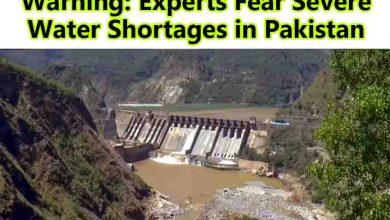
Experts warn that without urgent reforms, the country could face severe shortages affecting agriculture, industry, and domestic consumption.
PM Shehbaz Sharif’s Warning on World Water Day
Speaking on World Water Day, Prime Minister Shehbaz Sharif stressed that the Pakistan water crisis is intensifying and requires immediate action.
He noted that changing climatic and glacial conditions are increasing risks to water availability, particularly in regions dependent on glacier-fed rivers.
“Clean water is a basic human right, and securing it for future generations is our top priority,” the Prime Minister stated.
He also reaffirmed the government’s commitment to implementing reforms under the National Water Policy.
Key Government Measures to Address Water Scarcity
To tackle the Pakistan water crisis, the government has introduced a series of reforms aimed at improving water management and conservation.
Major Initiatives:
- Strengthening the National Water Policy
- Reducing water losses by 33%
- Increasing water-use efficiency by 30%
- Enhancing governance and institutional capacity
These measures are designed to create a more sustainable and efficient water management system across the country.
Infrastructure Development and Dam Projects
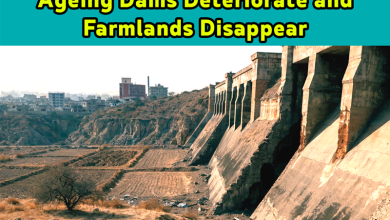
A significant part of the government’s strategy involves expanding water storage capacity.
Prime Minister Shehbaz Sharif revealed that work is underway on 18 small, medium, and large dams. These projects aim to:
- Store excess water during rainy seasons
- Ensure supply during dry periods
- Support agriculture and hydropower generation
Improved canal systems are also being developed to minimize water wastage and enhance distribution efficiency.
Technology and Transparency in Water Management
To improve transparency and accountability, the government is introducing advanced monitoring systems.
A telemetry system is being installed to provide real-time data on river flows and water distribution.
Benefits of the System:
- Accurate monitoring of water resources
- Reduced disputes between provinces
- Improved trust in water allocation
This technological upgrade is expected to modernize Pakistan’s water management framework and ensure fair distribution.
Role of Climate Change and Glacial Shifts
Climate change is a major driver of the Pakistan water crisis.
Melting glaciers in northern regions are altering water flow patterns, leading to both floods and water shortages.
Pakistan’s reliance on glacier-fed rivers makes it particularly vulnerable to these changes.
For global climate insights, visit the United Nations: https://www.un.org/en/climatechange
Inclusion and Women’s Participation
Prime Minister Shehbaz Sharif emphasized the importance of inclusive decision-making in addressing the water crisis.
He highlighted the need for greater participation of women in water management and policy development.
Women, particularly in rural areas, play a key role in water usage and conservation, making their involvement essential for sustainable solutions.
Regional Concerns and Water Security
The Pakistan water crisis also has geopolitical dimensions.
Prime Minister Shehbaz Sharif reaffirmed Pakistan’s commitment to safeguarding its water rights and strongly condemned any form of “water aggression.”
This statement reflects ongoing concerns about regional water disputes and the need for cooperative water-sharing agreements.
Conclusion
The worsening Pakistan water crisis presents a serious challenge to the country’s future. With climate change intensifying and water demand rising, urgent action is needed to secure sustainable water resources.
The government’s initiatives—ranging from dam construction and policy reforms to technological upgrades—offer a roadmap for addressing the crisis.
However, long-term success will depend on effective implementation, public awareness, and international cooperation.
As emphasized by Prime Minister Shehbaz Sharif, ensuring water security is not just a policy goal—it is essential for national stability, economic growth, and the well-being of future generations.