

Pakistan Targets Protection of 30% Land and Sea by 2030
Pakistan has finalized its National Biodiversity Targets, committing to protect 30% of land and marine areas by 2030 under the Kunming–Montreal Global Biodiversity Framework.
Pakistan has finalized its National Biodiversity Targets (NBTs), committing to protect 30 percent of the country’s land and marine areas by 2030 as part of global efforts to conserve nature and restore ecosystems.
The targets have been developed in alignment with the Kunming–Montreal Global Biodiversity Framework, which aims to halt biodiversity loss and protect ecosystems worldwide.
According to Mohammad Saleem Shaikh, the new targets represent a major step in strengthening Pakistan’s environmental conservation strategy.
Pakistan’s New Biodiversity Targets
Pakistan’s newly finalized biodiversity targets aim to significantly expand conservation efforts across the country.
The initiative focuses on protecting natural habitats, restoring degraded ecosystems, and promoting sustainable use of natural resources.
According to the spokesperson, the targets were developed after extensive consultations with various stakeholders from government institutions, academia, and development organizations.
“These targets have been aligned with global frameworks, ensuring Pakistan’s biodiversity priorities reflect both ecological conservation needs and broader development objectives,” Shaikh said while speaking to the Associated Press of Pakistan.
Alignment with Global Biodiversity Framework
The biodiversity targets align with the Kunming–Montreal Global Biodiversity Framework, a global agreement adopted under the United Nations Convention on Biological Diversity.
One of the key goals of this framework is the “30×30” target, which calls for protecting 30 percent of the world’s land and marine areas by 2030.
By committing to this target, Pakistan joins a growing number of countries working to address the global biodiversity crisis.
Experts warn that biodiversity loss threatens ecosystems, food security, and climate stability, making conservation efforts increasingly urgent.
Stakeholder Consultations and Policy Process
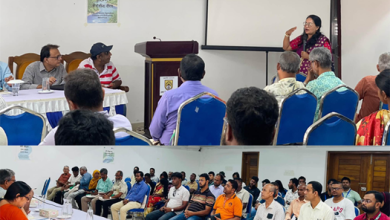
The National Biodiversity Targets were finalized during a two-day high-level meeting held in Islamabad.
The meeting was chaired by the secretary of the Ministry of Climate Change and Environmental Coordination.
The sessions brought together representatives from:
- Federal government ministries
- Provincial environment and forestry departments
- Wildlife conservation authorities
- Academic institutions
- International development partners
The consultations ensured that the targets reflect both national priorities and international environmental commitments.
Key Government Officials and Participants
Several senior officials participated in the discussions on biodiversity policy and conservation planning.
These included:
- Dr Saad S Khan
- Naeem Ashraf Raja
- Samar Hussain Khan
Their participation highlighted the collaborative approach being adopted by the government to address biodiversity challenges.
Officials emphasized that effective conservation requires coordination between federal and provincial authorities as well as engagement with local communities.
Biodiversity Protection and Ecosystem Restoration
The newly approved targets provide a comprehensive roadmap for protecting Pakistan’s natural ecosystems.
Key areas of focus include:
- Protection of forests, wetlands, and marine habitats
- Restoration of degraded ecosystems
- Conservation of endangered species
- Sustainable management of natural resources
Pakistan is home to diverse ecosystems ranging from mountain forests and deserts to coastal mangroves and coral habitats.
Protecting these ecosystems is essential for maintaining biodiversity and supporting livelihoods that depend on natural resources.
Controlling Invasive Species and Sustainable Use
Another key component of the biodiversity targets involves controlling invasive species that threaten native ecosystems.
Invasive species can disrupt natural habitats, reduce biodiversity, and damage agricultural systems.
The new strategy also promotes sustainable use of natural resources to balance economic development with environmental protection.
Experts believe that integrating biodiversity conservation into development planning is crucial for long-term sustainability.
National Biodiversity Strategy and Action Plan
The National Biodiversity Targets will support the implementation of Pakistan’s National Biodiversity Strategy and Action Plan for the period 2026–2030.
This policy framework outlines practical steps for protecting ecosystems and integrating biodiversity considerations into national development policies.
According to officials, the targets will help guide government agencies, environmental organizations, and development partners in implementing conservation initiatives.
Strengthening Environmental Governance
Shaikh emphasized that actionable measures have been incorporated into the new targets to strengthen environmental governance.
These include:
- Developing legal and administrative frameworks
- Monitoring the environmental impact of business activities
- Improving biodiversity financing mechanisms
- Promoting inclusive environmental governance
Such measures aim to ensure that economic development activities do not harm fragile ecosystems.
Pakistan’s Role in Global Biodiversity Conservation
Pakistan’s commitment to the global biodiversity framework reflects its growing role in international environmental cooperation.
The country faces several environmental challenges, including deforestation, habitat degradation, and climate change impacts.
Strengthening biodiversity protection can help improve ecosystem resilience, protect wildlife, and support sustainable development.
Environmental experts say protecting biodiversity is also closely linked to climate change mitigation and adaptation.
Healthy ecosystems such as forests, wetlands, and mangroves can store carbon, regulate water cycles, and protect communities from natural disasters.
Conclusion
Pakistan’s decision to finalize its National Biodiversity Targets marks an important milestone in the country’s environmental policy.
By committing to protect 30 percent of land and marine areas by 2030, Pakistan is aligning its conservation strategy with global biodiversity goals.
The new targets will guide the country’s conservation efforts in the coming years while supporting sustainable development and ecosystem protection.
As biodiversity loss continues to pose a global threat, initiatives like these demonstrate the importance of coordinated national and international action to safeguard nature for future generations.