
Pakistan Renews Call for Climate Finance: Powerful Push for Fair Support at COP30 (2024 Update)
Pakistan renews call for climate finance at COP30 side events, urging fair global support, stronger technology transfer, and climate justice. Learn how the nation is shaping climate diplomacy in 2024.
Pakistan renews call for climate finance as a central theme throughout a series of high-level side events hosted by the Ministry of Climate Change & Environmental Coordination (MoCC&EC) during the UN Climate Summit (COP30) in Belém, Brazil. The country used its pavilion as a powerful platform to demand equitable climate funding, enhanced technology transfer, and stronger international cooperation for climate-vulnerable nations facing escalating environmental threats.
Pakistan Renews Call for Climate Finance at COP30
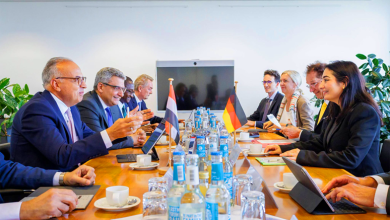
During COP30, Pakistan renews call for climate finance through a series of impactful side events led by Federal Minister for Climate Change Senator Dr. Musadik Masood Malik, Minister of State Shezra Mansab Kharal, and MoCC&EC Secretary Aisha Humera Moriani. With participation from global agencies, negotiators, scientific bodies, and civil society, Pakistan highlighted its urgent adaptation needs and the widening climate injustice it faces.
MoCC&EC spokesperson Mohammad Saleem Shaikh said the events helped amplify Pakistan’s diplomatic voice on climate justice, governance reforms, and global responsibility in a warming world.
Pakistan’s Climate Narrative Gains Global Attention
Secretary Aisha Humera Moriani emphasized that Pakistan’s pavilion had become a focal point for adaptation discussions. Backed by scientific evidence and policy clarity, Pakistan showcased climate-smart solutions such as:
- early warning systems
- watershed rehabilitation
- vocational upskilling
- climate-resilient infrastructure
- community-based adaptation
She stated, “Pakistan’s experience proves that resilience is achievable when financing, science, and institutions move in the same direction.”
This messaging aligned strongly with the global theme of equitable climate action.
Cryosphere Adaptation: A Mounting Regional Emergency
Pakistan Renews Call for Climate Finance in Cryosphere Discussions
At the session titled “Cryosphere Adaptation and Disaster Risk Reduction,” Pakistan warned that rapid glacial melt in the Hindu Kush–Karakoram–Himalaya (HKHK) region threatens:
- rural communities
- irrigation systems
- hydropower
- agriculture
- national infrastructure
Senator Malik emphasized that despite contributing less than 1% of global emissions, Pakistan faces increasing disasters such as GLOFs and unpredictable hydrology.
He called for:
- disaster-risk financing windows
- anticipatory financing for early actions
- long-term resilience strategies
Minister Kharal pressed for the creation of a regional scientific cooperation platform focused on glacial monitoring, satellite-based assessment, and high-mountain early warning systems.
International scientists agreed that cryosphere research remains severely underfunded, and frontline countries like Pakistan require predictable climate finance for adaptation.
Building Green Skills to Future-Proof Pakistan’s Workforce
Pakistan Renews Call for Climate Finance to Support Green Skills
A high-level session titled “Building Green Skills for a Climate-Compatible Pakistan” addressed the urgent need for a skilled workforce capable of navigating global low-carbon transitions. Discussions focused on:
- renewable energy
- circular economy
- electric mobility
- climate-smart agriculture
- green entrepreneurship
Senator Malik warned that without major investment in green skills, Pakistan risks losing export access as international trade shifts toward low-carbon standards.
Minister Kharal emphasized inclusivity, stressing that women, youth, and vulnerable groups must be central to national green skills development.
Global development partners agreed that donor funding must shift away from short-term project cycles and support long-term institutional training systems.
Climate Finance Dialogue: Pakistan Steps Up Its Demands
Pakistan Renews Call for Climate Finance in High-Level Talks
Pakistan reiterated that meaningful climate action is impossible without predictable, accessible, and equitable climate finance. Senator Malik stressed that climate financing must shift from:
“promises to predictable disbursements.”
He emphasized:
- simplified access to funds
- grant-based financing
- rapid deployment for disaster-prone nations
- full capitalization of the Loss and Damage Fund
- concessional finance instead of debt-creating loans
Minister Kharal added that global finance must begin valuing resilience, ecosystem services, and natural capital. Countries protecting forests and watersheds should not be economically penalized.
Global Experts Endorse Pakistan’s Climate Diplomacy
International participants praised Pakistan’s leadership at COP30, noting its emerging role in advocating for:
- equity-based climate governance
- reform of global financial systems
- regional climate cooperation
- scientific collaboration in the cryosphere
Pakistan reaffirmed its commitment to emission reduction and climate resilience but stressed that a just transition requires:
- sustained partnerships
- technology transfer
- capacity building
- climate finance accessibility
- long-term transformative investments
Internal & External Links
Internal Links
External Links
- UNFCCC Official COP Page : https://unfccc.int
- IPCC Reports on Cryosphere : https://www.ipcc.ch
- World Bank Climate Data : https://climateknowledgeportal.worldbank.org
Conclusion
At COP30, Pakistan renews call for climate finance with unprecedented clarity and urgency. Through evidence-backed sessions and strong diplomatic engagement, Pakistan positioned itself as a leading voice for global climate justice, equitable financing, and regional cooperation. The country’s demands reflect not only its vulnerabilities but also its determination to pursue a resilient, climate-compatible future