Climate-Induced Disasters: 7 Alarming Realities Pakistan Must Confront Now
Climate-induced disasters demand urgent political priority, says Musadik Malik. Learn how Pakistan plans short-term and long-term resilience against monsoon floods and future climate risks.
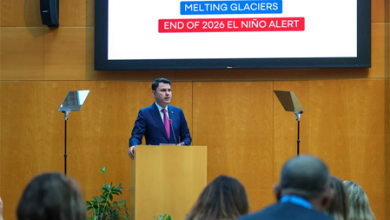
Climate-induced disasters are reshaping Pakistan’s future, and according to Federal Minister for Climate Change Dr. Musadik Malik, the country must finally recognize these threats as a political priority. Speaking during a press briefing alongside National Disaster Management Authority (NDMA) Chairman Lieutenant General Inam Haider Malik, the minister warned that Pakistan’s climate vulnerabilities have surpassed the limits of traditional disaster response frameworks.
Below is an in-depth, SEO-optimized breakdown of his remarks, government strategies, and the urgent transformation Pakistan needs.
Dr. Musadik Malik opened his remarks with a clear message: “Climate-induced disasters must be treated as a political priority.”
He reminded the nation that Pakistan has endured repeated climate shocks since 2010 — with devastating humanitarian and economic consequences.
The 2022 super floods, he said, caused losses exceeding 9% of Pakistan’s GDP, a figure higher than many developing countries’ annual health or education budgets.
Such destruction, Malik stressed, is no longer an environmental issue—it is a national political concern that demands top-tier policy attention.
Pakistan’s Flood Burden: The Shocking Numbers
According to data shared by the Punjab Disaster Management Authority (PDMA):
- 4.7 million people were affected this year
- 4,700 villages were damaged or inundated
- Over 4,500 people have died in flood-related events since 2010
Malik noted:
“This many people don’t die in wars.”
Floods, landslides, urban drainage failures, mountain torrents, and glacial lake outburst floods (GLOFs) have all intensified due to climate change, disproportionately affecting vulnerable populations in low-lying and poorly drained regions.
Government’s Three-Tier Strategy to Combat Climate-Induced Disasters
To strengthen Pakistan’s climate resilience, the government has adopted a three-tier approach, presented to the prime minister earlier in the day.
1. Repair Phase (240–250 Days) – “Fix What Is Broken”
This includes repairing:
- Damaged embankments
- Floodgates
- Irrigation channels
- Dykes and river protections
The goal is to stabilize the system before the next monsoon cycle.
2. Expansion Phase (1–3 Years)
This phase includes upgrading undersized drainage infrastructure, including:
- Karachi’s outdated drainage systems
- Sewerage lines in major cities
- Flood diversion channels in rural districts
3. Resilience Phase (3–5 Years)
Long-term reforms will include:
- Smart climate forecasting
- Climate-resilient housing
- Reinforced riverbanks
- Integrated water management systems
These plans indicate a shift from crisis-driven responses to structured climate governance.
Early Warning Systems: Alerts Moving From Islamabad to Tehsil Level
One of the key reforms includes shifting early warning systems away from Islamabad so that district and tehsil administrations receive alerts first.
This change is crucial because delays in warning transmission previously led to preventable casualties and losses.
The new system will integrate:
- Digital rainfall monitoring
- Flash-flood alerts
- River-level sensors
- Community SMS alert systems
- Local climate emergency response units
Short-Term Social Protection Measures for Survivors
To reduce human suffering during climate-induced disasters, several measures are being immediately implemented:
Temporary schools for displaced children
To ensure academic continuity for flood-affected students.
Mobile healthcare units
These will support:
- Injured flood survivors
- Elderly and disabled individuals
- Pregnant women
- Children with waterborne infections
Community training in vulnerable districts
This includes:
- Evacuation drills
- Emergency first aid
- Local flood response teams
These social safety initiatives are essential for reducing fatalities and improving recovery rates.
NDMA Forecast: 2026 Monsoon Could Intensify by 22–26%
NDMA Chairman Lt Gen Inam Haider Malik issued a stark warning:
“Pakistan remains among the world’s most climate-affected countries.”
NDMA’s preliminary forecast shows that the 2026 monsoon may bring 22% to 26% more intense rainfall compared to 2024.
He emphasized:
- Disaster management is a devolved provincial subject
- But coordination with the federal government is essential
- Tourism and public mobility in high-risk zones may be restricted during peak monsoon months
These measures aim to limit casualties and protect tourists from flash floods, mountain torrents, and landslides.
Why Climate-Induced Disasters Must Shape National Politics
Dr. Musadik Malik highlighted that Pakistan’s political system often overlooks the millions affected by disasters.
He argued that climate vulnerability must become the core around which national politics revolves, because:
- It directly impacts agriculture, food security, and rural livelihoods
- It damages public infrastructure, roads, and schooling systems
- It increases poverty and displacement
- It threatens national economic stability
- It disrupts trade, tourism, and industrial supply chains
Climate disasters are no longer sporadic events—they are structural threats to Pakistan’s development.
Conclusion: Climate-Induced Disasters Demand Urgent Action
Pakistan’s future depends on treating climate-induced disasters as a strategic political priority rather than an emergency response issue.
With rising monsoon intensity, melting glaciers, and urban flooding risks, the country must:
- Upgrade its infrastructure
- Strengthen early warning systems
- Support vulnerable communities
- Improve provincial-federal coordination
- Build long-term climate resilience
Dr. Musadik Malik’s briefing signals a shift toward smarter, science-driven climate governance — a necessary transformation for a safer and more resilient Pakistan.