
Pakistan’s Economic Future Depends on Crucial, Transformative, Resilient, Urgent and Dynamic Population‑Climate Action: Aurangzeb
Pakistan’s economic future is shaped by population growth and climate action, says Finance Minister Aurangzeb — highlighting the need for bold, data‑driven policies using the District Vulnerability Index.
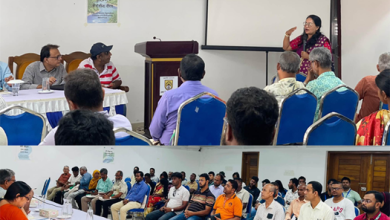
Pakistan economic future now hinges on confronting two deeply interwoven challenges: rapid population growth and escalating climate risk. Speaking at the launch of the District Vulnerability Index for Pakistan (DVIP), Federal Minister for Finance Senator Muhammad Aurangzeb made it abundantly clear that macroeconomic stabilization alone will not secure the country’s long-term prosperity without bold, transformative, and resilient action.
Aurangzeb’s Warning: Population Momentum vs. Growth
During his address at the Population Council–organized ceremony in Islamabad, Aurangzeb stressed that Pakistan’s economic future is under threat if population growth remains unchecked. At a 2.5 percent annual population growth rate, he argued, the country is placing unsustainable pressure on its infrastructure, social services, and human development systems. High fertility and a young—but underprepared—workforce exacerbate challenges such as child stunting, learning poverty, and a mismatch between labor skills and industry needs.
Without decisive demographic reforms and investments in education and health, Aurangzeb warned, Pakistan risks undermining the very foundations of its macroeconomic gains.
Climate Vulnerability: The Hidden Economic Drag
Pakistan is already recognized as one of the most climate-vulnerable countries in the world. (Anadolu Ajansı)
From devastating floods and droughts to prolonged heatwaves, communities—especially in impoverished regions—are bearing the brunt of environmental shocks. These climate impacts don’t just affect lives; they erode economic capacity, divert public spending, and weaken long-term development outcomes.
Aurangzeb pointed out that climate change is not just an ecological challenge but a financial and social risk: districts that lack resilient infrastructure, equitable access to services, and adaptive capacity are more exposed to disasters and less able to recover quickly.
His remarks echo broader findings about financial risk: Pakistan’s Climate Finance Vulnerability Index (CliF‑VI) shows the country faces very high exposure and limited capacity to cope. (clifvi.org)
The District Vulnerability Index (DVIP): A Game‑Changer
A cornerstone of Aurangzeb’s argument was the District Vulnerability Index for Pakistan (DVIP), produced by the Population Council. (knowledgecommons.popcouncil.org)
This data-driven index is based on three years of rigorous research and analyzes vulnerability across six domains, including demographic stress, health, infrastructure, and climate exposure.
The DVIP reveals stark geographic disparities. Poorer districts in Balochistan and Khyber Pakhtunkhwa emerge as particularly at risk, where social fragility and environmental hazards reinforce each other to generate compounded vulnerabilities. Aurangzeb commended the Population Council for creating a practical, policy-relevant tool that can guide resource allocation and planning.
By offering actionable management information, the DVIP can help decision-makers target investments more equitably, focusing first on the most vulnerable regions.
Interlinked Risks: Migration, Urbanization, and Inequality
Aurangzeb also highlighted a growing trend: rural-to-urban migration. As climate shocks and social inequalities push people toward cities, many end up in informal settlements without reliable water, sanitation, or hygiene infrastructure. These conditions contribute to poor nutritional outcomes and exacerbate child stunting.
He argued that understanding urban vulnerabilities is essential. Too often, policy neglects informal neighbourhoods where rapid population growth meets environmental stress.
The Finance Minister called for more research on the interplay between demographic pressure, urbanization, and climate risks, so that national planning can reflect the full complexity of these interdependent challenges.
Policy Response: Integrating Demographics & Climate in Budgets
A key plank of Aurangzeb’s message was that the Ministry of Finance must go beyond traditional budgetary priorities. He reaffirmed the ministry’s commitment to mainstreaming population and climate considerations into its planning, resource allocation, and budgeting processes.
This means embedding vulnerability metrics—such as those from the DVIP—into national fiscal frameworks. By doing so, Pakistan can direct support to the districts that need it most, ensuring equity and resilience in a systematic way.
Globally, finance ministries are increasingly playing a central role in demographic and climate policymaking. Aurangzeb argued that Pakistan must align with this trend, leveraging its economic planning tools to build a future that is not only stable, but just and sustainable.
Looking Ahead: Building a Resilient, Equitable Pakistan
To secure Pakistan’s economic future, the Finance Minister laid out a forward-looking vision:
- Invest in human capital: By addressing high fertility, improving education, and enhancing workforce readiness, Pakistan can turn its demographic dividend into a powerful engine for growth.
- Scale up climate adaptation: Use the DVIP insights to channel climate finance to the most vulnerable districts, building water systems, resilient infrastructure, and social safety nets.
- Promote inclusive urban planning: Strengthen research into urban vulnerabilities and plan for informal settlements to ensure equitable access to services.
- Align fiscal policy with resilience goals: Embed vulnerability indices into budgeting, resource allocation, and national planning to institutionalize long-term thinking.
Aurangzeb expressed confidence that the DVIP can become a cornerstone of Pakistan’s national strategy, guiding not just climate action, but broader social and economic policies.
Conclusion
Pakistan economic future is not just a question of macroeconomic stabilization—it is fundamentally tied to how the country confronts its demographic and environmental challenges. Senator Aurangzeb’s address at the DVIP launch resonated as a powerful call for bold, transformative, and urgent policy reforms.
By harnessing tools like the District Vulnerability Index, integrating vulnerability data into budgeting, and addressing the interdependence of population growth, migration, and climate risk, Pakistan has a real opportunity to build resilience, equity, and long-term prosperity.
The path forward is demanding—but with decisive action, the country can turn today’s vulnerabilities into tomorrow’s strengths.
External Resources
- Learn more about the District Vulnerability Index for Pakistan (DVIP) from the Population Council. (knowledgecommons.popcouncil.org)
- Read about Pakistan’s climate vulnerability and risk from the Climate Finance Vulnerability Index (CliF‑VI). (clifvi.org)
- Explore climate-health research on regional vulnerability in Pakistan. (PMC)
- Understand economic and climate risk mapping via Pakistan’s Decision Support System by UNOSAT. (unosat-geodrr.cern.ch)
- See policy analysis on Pakistan’s adaptation financing gap from the UK’s FCDO. (GOV.UK Assets)