
WHO Monsoon Flood Support: Lifesaving Aid for Pakistan’s Most Vulnerable
WHO to deliver life-saving monsoon flood support to 1.3 million people across Pakistan’s most vulnerable districts, ensuring emergency healthcare and outbreak prevention.
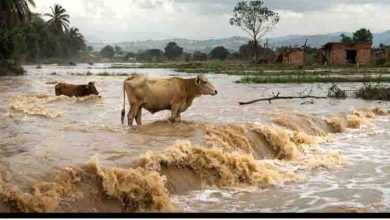
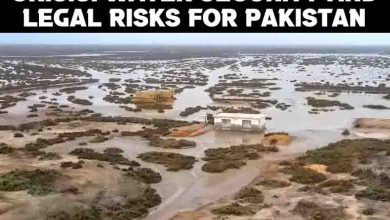
WHO monsoon flood support is set to become a lifeline for over 1.3 million vulnerable Pakistanis as the country braces for potential flooding in the 2025 monsoon season. The World Health Organization, in collaboration with the Government of Pakistan, has announced an integrated and proactive emergency health response that aims to mitigate risks before disaster strikes.
This bold step underscores WHO’s commitment to protecting lives and ensuring access to health services amid rising climate challenges.
Pakistan’s 2025 Monsoon Contingency Plan
At the recent Health Sector Coordination Forum meeting—led by Pakistan’s Ministry of Health and co-led by WHO—the Monsoon Contingency Plan 2025 was reviewed and finalized.
This strategic plan identifies 33 high-risk districts across:
- Punjab (10 districts)
- Sindh (10 districts)
- Balochistan (9 districts)
- Khyber Pakhtunkhwa (4 districts)
The primary goals of the plan include:
- Delivering coordinated, timely emergency responses
- Ensuring uninterrupted essential health services
- Strengthening disease surveillance and outbreak management
WHO’s Emergency Health Interventions
As part of WHO monsoon flood support, the following life-saving interventions will be deployed:
- Prepositioning of emergency health kits
- Mobile and static health units for service delivery
- Telemedicine outreach in remote or cut-off regions
- Enhanced WASH (Water, Sanitation and Hygiene) measures at health facilities
- Improved outbreak detection and response systems
Dr. Dapeng Luo, WHO Representative in Pakistan, emphasized:
“WHO stands with Pakistan and partners to be ready to save lives by supporting rapid response, surveillance and continuity of essential health services in the event of a natural disaster.”
These steps will reduce mortality and prevent the spread of diseases in affected communities.
Vulnerable Populations in Focus
This humanitarian initiative aims to protect:
- Pregnant and lactating women
- Children under five
- Elderly individuals
- People with disabilities
- Internally Displaced Persons (IDPs)
- Underserved rural communities
These groups are at greater risk during disasters due to mobility, nutrition, and healthcare access challenges.
A Coordinated Response for a Climate Emergency
The Pakistan Meteorological Department (PMD) and National Disaster Management Authority (NDMA) have issued nationwide flood alerts between 7–9 July, due to intense monsoon activity.
Since the onset of the 2025 monsoon season on 26 June, there have been:
- 79 reported fatalities
- 140 injuries nationwide
(Source: NDMA)
WHO’s plan supports government mechanisms with:
- Real-time data sharing
- Risk communication strategies
- Early warning systems
- Coordination between public and private health providers
Past Disasters and Lessons Learned
Pakistan ranks 8th on the Global Climate Risk Index 2021, with extreme weather events including:
- 2022 floods, affecting 33 million people
- Over 2,000 health facilities damaged
- Health system pushed to near collapse
This historical data shows that anticipatory health planning is critical—not just to recover, but to prevent catastrophic consequences in the first place.
Why This Matters Now
With climate change intensifying, disasters like monsoon floods will continue to test Pakistan’s resilience. According to the Global Climate Risk Index, Pakistan’s exposure to recurring and extreme climate events is only increasing.
This proactive initiative:
- Saves lives before the disaster hits
- Builds trust in public health systems
- Strengthens Pakistan’s disaster preparedness
- Promotes equity by focusing on the most marginalized
Through WHO monsoon flood support, Pakistan is shifting from a reactive to a resilient, preventive health system.
Internal & External Links
Internal Links:
External Links :
Conclusion
The WHO monsoon flood support initiative is not only a critical emergency response—it is a beacon of hope. By targeting the most vulnerable and planning in advance, WHO and Pakistan are working together to prevent tragedy and ensure health equity during climate-related disasters.
With climate risks rising and millions at stake, preparedness saves lives. Through strong partnerships and a data-driven approach, Pakistan is better equipped than ever to face the 2025 monsoon season.