
Tragic Monsoon Rains in KP: Several Lives Lost as Torrential Floods Continue
Tragic monsoon rains in KP have claimed several lives, with Swabi and Nowshera worst-hit. Learn about the disaster’s impact, NDMA warnings, PM Shehbaz’s relief efforts, and UNICEF’s support.
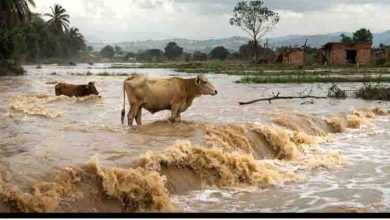
The tragic monsoon rains in KP have once again highlighted Pakistan’s vulnerability to extreme weather events. Torrential downpours in Swabi and Nowshera have caused catastrophic floods and landslides, resulting in at least 19 confirmed deaths, with dozens missing. The devastation has left communities stranded, homes destroyed, and families mourning loved ones.
According to the National Disaster Management Authority (NDMA), the monsoon season remains “precarious”, with more rainfall expected until late September.
Swabi and Nowshera Devastation
Swabi has emerged as the worst-hit district, where heavy rainfall caused a cloudburst in Dalori village, submerging at least 12 houses. Landslides in the hilly Gadoon Amazai belt buried several villages under mud and rocks.
-
17 deaths reported in Swabi (official and local sources differ)
-
2 deaths confirmed in Nowshera
-
Entire families buried under collapsed houses
In Nowshera, flash floods swept through low-lying areas, claiming two lives and damaging homes along Karnal Sher Khan Kali nullah.
The scale of destruction was amplified by collapsed infrastructure — broken electricity lines, submerged roads, and washed-away vehicles.
Victims and Missing Persons
The true death toll from the tragic monsoon rains in KP remains uncertain due to poor communication in mountainous areas.
-
The Provincial Disaster Management Authority (PDMA) reported 13 deaths and 20 injuries.
-
Rescue 1122 confirmed 11 deaths in Swabi.
-
Local villagers claimed up to 20 deaths with 30+ still missing.
A heart-wrenching incident occurred in Sar Koi Payan, where a family of nine, who had just returned from Karachi, were buried alive after their newly built house collapsed in the rain. Locals managed to retrieve four bodies from the rubble.
Two Afghan refugees also lost their lives when their shelter’s roof caved in.
Such tragedies underscore the human cost of Pakistan’s climate crisis.
NDMA’s Grim Warning
NDMA Chairman Lt Gen Inam Haider briefed the nation that the monsoon in August would remain highly dangerous, with more torrential spells expected.
“We anticipate two to three more dangerous spells in the coming weeks, with normalisation only after September 20,” he warned.
Key figures shared by NDMA:
-
670 deaths across Pakistan this monsoon season
-
Over 1,000 injuries
-
90 people still missing
-
456 relief camps established nationwide
The NDMA emphasized that climate change has intensified monsoon unpredictability, with flash floods becoming more frequent.
(Read more: NDMA Pakistan Official Site)
Prime Minister Shehbaz’s Relief Pledge
Prime Minister Shehbaz Sharif assured the nation that the federal government stands with flood-hit communities.
-
The federal cabinet will donate one-month salaries for flood relief.
-
NDMA and provincial authorities instructed to scale up rescue operations.
-
Financial assistance packages to be distributed among displaced families.
The Prime Minister stressed unity, saying:
“In this hour of calamity, there is no provincial or federal divide. We must act as one nation to support our people.”
So far, Rs126 million worth of property damage has been recorded, but the figure is expected to rise as assessments continue.
(Related internal link: Pakistan’s 2022 Flood Disaster and Climate Lessons)
Humanitarian Assistance and UNICEF Support
Amid the tragedy, UNICEF has stepped up to provide medicines, tents, and hygiene kits in Khyber Pakhtunkhwa and Gilgit-Baltistan.
UNICEF Representative Pernille Ironside stated:
“We are deeply saddened by the tragic monsoon rains in KP. UNICEF is committed to ensuring the safety of children and families during this disaster.”
The organization has dispatched medical teams and pledged to expand support if the crisis worsens.
Humanitarian NGOs and Pakistan Army units are also actively rescuing stranded families in Swabi’s mountainous areas.
Local Voices and Community Struggles
Residents in flood-hit regions describe the devastation as unprecedented.
Amjad Gul, a local villager, told reporters:
“Many houses collapsed instantly due to the cloudburst. Nine bodies have been pulled out, but many remain under the rubble. Without excavators, rescuing survivors is nearly impossible.”
The community response has been heroic, with villagers digging through debris barehanded to recover trapped families. However, locals continue to demand better government preparedness, especially in vulnerable mountain areas.
Conclusion
The tragic monsoon rains in KP represent not just another natural disaster, but a stark reminder of Pakistan’s climate vulnerability. With hundreds dead, thousands displaced, and critical infrastructure damaged, urgent steps are needed:
-
Strengthening early warning systems
-
Building climate-resilient infrastructure
-
Ensuring swift humanitarian aid delivery
As the NDMA warns of more rains in August, Pakistan must remain vigilant. The combined efforts of the federal government, NDMA, international aid agencies, and local communities are crucial to saving lives and preventing further tragedy.
For the people of Swabi and Nowshera, the path to recovery will be long and painful, but with resilience and national solidarity, hope can still emerge from the wreckage.