
Tigris River Crisis 2025: The Alarming Truth Behind Iraq’s Vanishing Lifeline
The Tigris River crisis is threatening Iraq’s survival as pollution, drought, and damming push the ancient river toward collapse, endangering lives, faith, and civilisation.
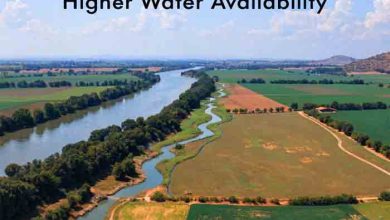
The Tigris River crisis is no longer a distant environmental warning — it is a devastating reality reshaping Iraq’s present and threatening its future. Once the beating heart of Mesopotamian civilisation, the Tigris is now heavily polluted, dramatically depleted, and at serious risk of disappearing altogether.
Unless urgent action is taken, life along the river’s banks — cultural, religious, agricultural, and economic — will be fundamentally altered. For Iraq’s ancient communities, the loss of the Tigris would mean not only environmental collapse but the end of a way of life preserved for thousands of years.
Ancient Faith at Risk Along the Tigris
For Sheikh Nidham Kreidi al-Sabahi, a 68-year-old leader of the Mandaean faith, the Tigris River crisis is deeply personal. As a sheikh of one of the world’s oldest gnostic religions, he is required to use only water drawn from a flowing river, even for drinking.
Standing on the riverbanks in Amarah, southern Iraq, Sheikh Nidham speaks with quiet certainty. He believes flowing water remains pure as long as it continues to move. But today, that belief is under threat.
“No water, no life,” he says simply.
Mandaeans have lived in southern Iraq for over a thousand years. Their religious rituals — from birth to marriage to death — are inseparable from the river. Marriage ceremonies begin in water. Before death, believers are taken to the river for final purification.
If the Tigris stops flowing, their faith cannot continue as it has for centuries.
Why the Tigris River Matters to Iraq
The Tigris River crisis threatens far more than one religious community. The river is one of the two great waterways — alongside the Euphrates — that formed the cradle of civilisation.
Rising in south-eastern Turkey, the Tigris flows through Mosul and Baghdad before joining the Euphrates to form the Shatt al-Arab, which empties into the Gulf. Along its banks:
- Agriculture was first developed
- Writing was invented
- The wheel was created
Today, nearly 18 million Iraqis depend on the Tigris for drinking water, irrigation, industry, power generation, and transport.
According to environmental activist Salman Khairalla of Humat Dijlah, the river is more than a resource:
“All the life of Iraqis depends on the water. All the civilisation and all the stories depend on those two rivers.”
Pollution: A Silent Killer in the River
One of the most alarming dimensions of the Tigris River crisis is pollution.
Iraq once had advanced water treatment infrastructure, but much of it was destroyed during the 1991 Gulf War. Years of sanctions and conflict prevented full recovery. Today:
- Only 30% of urban households are connected to sewage treatment
- In rural areas, that figure drops to 1.7%
Untreated sewage, agricultural runoff containing fertilisers and pesticides, industrial waste from oil operations, and even medical refuse flow directly into the river.
A 2022 water quality study in Baghdad rated many sites as “poor” or “very poor.” In 2018, contaminated water sickened at least 118,000 people in Basra, overwhelming hospitals.
As water levels drop, pollutant concentrations increase — worsening health risks.
Shrinking Waters and Regional Dams
The Tigris River crisis is also driven by upstream dam construction. Over the past three decades:
- Turkey has built multiple large dams on the Tigris
- Water reaching Baghdad has declined by 33%
- Iran has diverted tributaries feeding the river
Within Iraq, poor water management compounds the problem. Agriculture alone consumes 85% of surface water, often using outdated and wasteful irrigation methods.
This overuse has left the river dangerously shallow. During the past summer, sections of the Tigris became so low that people could walk across it.
Climate Change and Iraq’s Water Emergency
Climate change is accelerating the Tigris River crisis at an unprecedented pace.
Iraq has experienced:
- A 30% decline in rainfall
- Its worst drought in nearly 100 years
- Rising temperatures increasing evaporation
Experts warn that water demand will exceed supply by 2035, pushing the country toward a full-scale water emergency.
According to Khairalla, declining water volume worsens every other issue:
“The water quality depends on the quantity.”
The Iraq–Turkey Water Agreement Debate
In November, Iraq and Turkey signed a new cooperation mechanism to address parts of the Tigris River crisis. The agreement includes:
- Pollution control
- Modern irrigation technology
- Agricultural land reclamation
- Improved water governance
The deal has been dubbed an “oil-for-water” accord, with Turkish companies carrying out projects funded by Iraqi oil revenues.
However, critics argue the agreement lacks transparency and legal force. Former water resources minister Mohsen al-Shammari dismissed it as political theatre:
“There is no actual agreement right now. It’s more like election propaganda.”
Environmental activists also fear it gives Turkey excessive influence over Iraq’s water resources.
A Community on the Brink of Disappearance
For the Mandaeans, the Tigris River crisis could mark the end of their presence in Iraq.
Decades of instability have already forced many to leave. Estimates suggest:
- Global population: 60,000–100,000
- Remaining in Iraq: fewer than 10,000
Many have moved north to the Kurdistan region or emigrated abroad. Without a flowing Tigris, even those who remain may be forced to abandon their homeland.
A dying river could become the final blow to one of humanity’s oldest living religions.
What Happens If the Tigris Runs Dry?
If the Tigris River crisis continues unchecked, Iraq faces:
- Severe drinking water shortages
- Agricultural collapse
- Increased public health emergencies
- Cultural and religious extinction
- Regional instability over water resources
The loss of the Tigris would not just reshape Iraq — it would erase a living connection to the origins of human civilisation.
The Urgent Need for Action
Saving the Tigris requires immediate and coordinated action:
- Binding regional water agreements
- Massive investment in sewage treatment
- Modern irrigation systems
- Climate-resilient water planning
- Strong environmental governance
As Sheikh Nidham watches the river that has defined his life, his warning echoes across Iraq:
No water. No life.
External Links
- United Nations Environment Programme (UNEP)
- World Bank – Water in the Middle East