Sherry Rehman calls for aggregate activity on climate flexibility
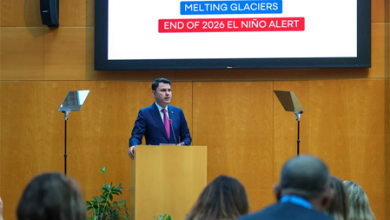
ISLAMABAD-Pakistan People’s Party (PPP) VP Congressperson Sherry Rehman yesterday expressed that while Pakistan effectively upheld for the foundation of a Misfortune and Harm Asset during COP 27, there was an approaching gamble of losing the energy and agreement expected to successfully operationalize it to help emerging nations confronting natural dangers.
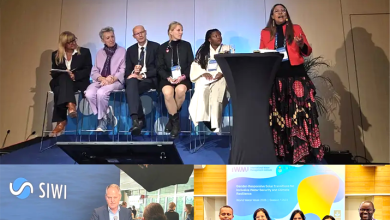
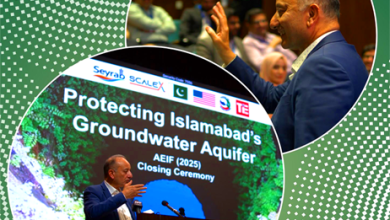
Her remarks came during a feature address at an occasion facilitated by the Economical Improvement Strategy Foundation (SDPI) in Islamabad. The occasion based on the subject, “Local area Flexibility to Calamities and Climatic Risks: Enhancing Voices of Weak Bleeding edge Networks.”
During her location, Congressperson Rehman focused on the need to zero in on Pakistan’s relief and transformation plans, forewarning that a pass in such endeavors could jeopardize the increases accomplished during COP 27 in laying out the Misfortune and Harm Asset.
“During COP 27, we battled and won the case for the foundation of a Misfortune and Harm Asset, yet we are at risk for losing energy and agreement on the most proficient method to operationalize it for the best utilization of emerging nations in danger,” she commented.
Congressperson Rehman communicated her interests about the absence of significant advancement in laying out the asset by the Momentary Council.
While recognizing Pakistan’s legitimate expectation of worldwide help to battle climate change because of its weakness, Congressperson Rehman clarified that homegrown activity ought to outweigh everything else.
“While Pakistan legitimately expects worldwide help, the thought that somebody will show up with a firehose while your home is ablaze should be disposed of,” she expressed.
She highlighted that tending to climate change was an aggregate liability, with a functioning job for the country’s residents, not exclusively dependent on the public authority.
“Individuals shouldn’t rely just upon legislatures; with little advances, we can bring enormous change. You needn’t bother with a worldwide award to carefully utilize water.”
The congressperson likewise focused on the meaning of making a homegrown move and introducing a convincing case for working with the exchange of assets from the worldwide north to the worldwide south, noticing that this move ought to be viewed as a qualification, instead of a demonstration of noble cause.
“Legislatures all around the world have restricted assets, yet residents and networks are likewise doing their part, so we need to do our part, as well,” she said.