
#US-Pakistan #Green Alliance framework
-
It is a pivotal partnership for sustainable development, improving lives of people
#ISLAMABAD: As the world grapples with the urgent need to address climate change, the United States and Pakistan are leading the charge with a ground-breaking collaboration: the #US-Pakistan Green Alliance.
A dynamic partnership aimed at boosting bilateral cooperation on sustainable development, clean energy, and climate action, this is poised to not only enhance climate action efforts but also stimulate economic growth, improve the quality of life, and provide a model for other countries to follow.
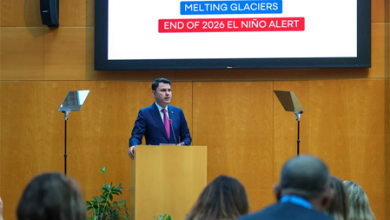
During a meeting with senior journalists, #US Ambassador Donald Bloom referred to the alliance as “a prime example of a strong and enduring partnership aimed at improving the lives of Pakistanis and Americans.”
Pakistan is highly vulnerable to the impacts of climate change, including water scarcity, extreme weather events, and declining crop yields. The country also faces significant challenges in meeting its growing energy demand, which have led to increased reliance on fossil fuels and worsened environmental degradation.
The alliance seeks to address these challenges by promoting renewable energy (RE), sustainable agriculture, and green transportation, among other areas. Additionally, it aims to create new opportunities for economic growth and development in Pakistan. By investing in sustainable infrastructure, innovation, and research and development, the alliance seeks to revolutionise Pakistan’s economy while promoting environmental sustainability.
The key objectives of the alliance include: One – Strengthening renewable energy capacity and efficiency: The US has a long history of supporting Pakistan in the energy sector. As part of the alliance, the US is helping Pakistan increase its RE capacity by investing in RE projects.
This includes supporting updates to the Mangla and #TarbelaDam power stations. Once finished, Mangla Dam’s capacity will increase by 30% and Tarbela Dam’s life will increase by 30 years.
Additionally, the #US is supporting the solarisation initiative, under which 10,000MW of solar power will be installed, providing power to more than a third of Pakistani households.
These efforts will bolster Pakistan’s goal of generating 60% of its electricity from renewable sources by 2030 from the current 34%.
The US will also provide technical assistance to improve Pakistan’s energy efficiency, particularly in the industrial and transport sectors, leading to reduced energy consumption, decreased greenhouse gas emissions, and mitigating the impacts of climate change.
This support includes a grant to further R&D of electric vehicles at LUMS and a $500,000 project to restore electricity infrastructure in the flood-hit areas in Sindh.
Two – Promoting sustainable agriculture and water management practices: The US famously supported Pakistan’s “Green Revolution” in the 1960s when US agronomist and Nobel laureate Dr Norman E Borlaug worked with Pakistani scientists to increase the productivity of wheat varieties by 25%.
Similarly, this alliance aims to promote sustainable agricultural practices to improve productivity and reduce the environmental footprint of agricultural sector.
Pakistan Agricultural Technology Transfer Activity has introduced innovative tools and technologies for nearly 150,000 farmers, while the Horticultural Advancement Activity in K-P and Balochistan has helped over 12,000 farmers to improve management practices and technologies on 2,000 hectares, increasing yield and reducing harvest and post-harvest losses.
Additionally, the US support has improved irrigation of 5,500 hectares in #Gilgit-Baltistan, providing more than 4,000 jobs and helping 5,707 farmers increase production.
Under the alliance, the US will launch additional initiatives to support the sector, including a four-year $4.5 million fertiliser efficiency “Fertiliser Right” programme, a climate-smart agricultural programme to build the resilience of farming communities facing climate change and involving studies and capacity building to improve waste management practices, and methane abatement through changes in animal feed, reproductive health, and manure management.
On water management, the US government has helped provide more than 95% of Pakistan’s water storage capacity through the Mangla, Tarbela, and Gomal Zam dams. These dams help prevent potential flood damage for millions of Pakistanis.
Three – Enhancing climate resilience and adaptation measures: The US will support Pakistan in building climate-resilient infrastructure, such as real-time flood forecasting, protection of natural areas, environmentally conscious designs, and stormwater management systems.
It has given $1 billion to the GCF, part of which will go towards climate adaptation initiatives, such as climate-resilient agriculture and Indus Basin water management.
Moreover, the US Cotton Council advises Pakistani partners on cotton use, enhancing the effectiveness of $4.4 billion worth of textile exports to the US annually.
The US will launch an accelerator programme to mobilise domestic and international finance for clean energy and catalyse investment for climate mitigation and adaptation.
Additionally, a feasibility study grant will be funded to improve Karachi’s environmental conditions and waste management practices through advanced technology to convert cattle waste into biomethane and fertiliser.
Four – Supporting capacity building, education, and innovation in the green sector: The alliance strongly emphasises capacity building and innovation in the green sector. This includes establishing vocational training programmes for green jobs, fostering environmental awareness through educational initiatives, and supporting research and development in clean technologies.
The US-Pakistan Green Alliance promises to have the following impacts:
One, the alliance can drive economic growth by creating new opportunities in the RE, agriculture, and clean technology sectors, leading to new industries, job creation, and economic diversification.
Two, the alliance will enhance Pakistan’s energy security and reduce dependence on fossil fuels by increasing the share of RE in the energy mix. This will ensure stable energy supply and decrease Pakistan’s vulnerability to global price fluctuations.
Three, by promoting energy efficiency and sustainable practices, the alliance will help reduce greenhouse gas emissions, promote sustainability, and support Pakistan in building resilience against climate change impacts.
Four, the alliance will reduce pollution by promoting sustainable practices, improving air quality, reducing water contamination, and creating healthier ecosystems. These improvements will benefit public health and reduce the prevalence of water and airborne diseases and other pollution-related health issues. Five, the alliance strengthens the strategic partnership between the US and Pakistan by fostering cooperation on climate change and environmental issues.
By working together to achieve common sustainability goals, the two countries can enhance mutual trust, promote regional stability, and create a platform for further cooperation in other areas of mutual interest. Amidst ongoing debates over the disproportionate impacts of climate change between the global south and north, the US-Pakistan Green Alliance is a significant step towards addressing this critical challenge and fostering sustainable development between nations.
By working together to enhance climate change adaptation and mitigation efforts, foster green economic growth, and promote research and innovation, the alliance has the potential to become a model of international cooperation in the fight against climate change, reaffirming the idea of “one world, one goal” in addressing the most pressing environmental challenges of our time.
THE WRITER IS A SUSTAINABILITY AND CLIMATE RISK (SCR) PROFESSIONAL, PASSIONATE ABOUT SUSTAINABLE ENERGY CONSUMPTION AND CLIMATE CHANGE