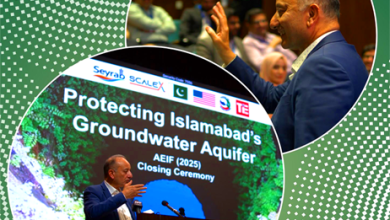
Discussion on quiet spring cultivates discourse on urbanization climate influences
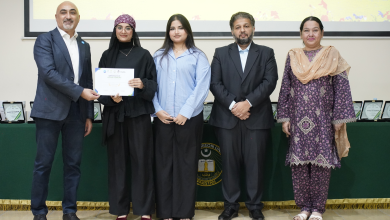
Rawalpindi : The Foundation of Country The executives (IRM), as a team with the National Cleaner Production Centre (NCPC) and the Branch of Ecological Sciences at Fatima Jinnah Ladies University, facilitated a discussion named ‘Quiet Spring: A Nexus between Urbanization, Climate Change, and Loss of Nature.’
The occasion gathered a different crowd, including government authorities, scholastics, experts, understudies, and community individuals, all anxious to investigate the ramifications of urbanization and climate change on the decreasing quality of springs, especially in significant urban areas like Islamabad.
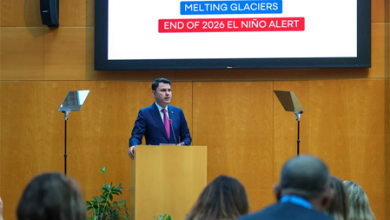
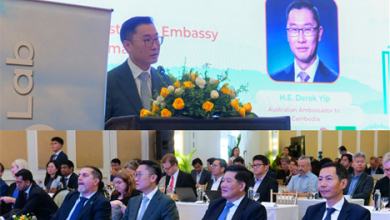
Regarded specialists, like Dr. Roomi S. Hayat (President, IRM and Director IUCN-PNC), Irshad Ramay (Organizer, NCPC), Fawad Hayat (DGM and Head of Climate Change, NDRMF), Dr. Imran Saqib Khalid (Director Administration and Strategy and Program Lead Australia-Pakistan Water Security Drive, WWF Pakistan), and Dr. Khalid Waleed (Climate Lead, SDPI), participated in sagacious conversations, revealing insight into the pressing requirement for strategy improvement, squander the board systems, nature-based arrangements, and grassroots drives to moderate the unfavorable impacts of metropolitan extension and ecological debasement.
The conference gave a basic stage to far reaching investigation and talk on the mind boggling exchange between urbanization, climate change, and the disturbing loss of regular biological systems, especially throughout the spring season.
Members acquired significant viewpoints on the profound ramifications of these interconnected difficulties and accentuated the significance of coordinating manageable practices into metropolitan turn of events and cultivating community-driven drives to reestablish natural equilibrium.
Past its instructive worth, the conference worked with systems administration opportunities and information dividing between partners, encouraging joint effort and collaboration in tending to shared ecological worries.
The occasion got inescapable praise, with participants complimenting the coordinators for working with an ideal and significant exchange on basic natural issues. The Organization of Rustic Administration (IRM) reaffirms its obligation to advancing promotion and assuming its part in moderating climate change and guaranteeing ecological prosperity.
The discussion denoted a critical forward-moving step in exciting aggregate endeavors toward encouraging flexibility and maintainability despite urbanization and climate change. It is guessed that the experiences gathered from the discussion will rouse informed policymaking and grassroots activities to address the climate emergency in Pakistan and then some.