

Residents suffer water shortage amid hot, humid weather
The Nation, Jun 15, 2022
Rawalpindi – The residents of various parts of the city have been experiencing worst water shortage during hot and humid weather.
The areas where water crisis had worsened include including Adiala Road, Mumtaz Market, Sadiq Town, Dhoke Haji Niaz Ali, Kalhoor, Ziarat Baba Shahmoor, Khatana, Kohsar Colony, Dhoke Lal Shah, Ali Town, Munawar Colony, Hill View Lane, Jarahi, Janjua Town, Sanjoli Estate, Kehkashan Colony, Rehman Markaz, Gulshanabad, Kalyal, Dhamial Kalyal Road, Rasoolabad Sharif, Kashmir Colony, Bank Colony, Ashraf Colony, Chakri, Zafar Plaza, Ahmedabad, Jhawara, Bakra Mandi, Tulsa, Lalazar, Dheri Hassanabad, Baraf Khana Chowk, Dhoke Syedan, Misrial Road, Peshawar Road, Pirwadhai Morr, IJP Road, Bangash Colony, Khayaban-e-Sir Syed, Shamasabad, Double Road, Pindora, 6th Road, 7th Road, Iran Road, Soan, Sadiqabad, Dhoke Kala Khan, Kuri Road, Shakrial, Muslim Town and suburbs.
Residents of the affected localities on Tuesday lodged complaint that they had not been receiving water supply since start of summer season and are buying water from private tanker owners even on very high rates. They also said that the civic bodies had badly failed in catering the growing need of water. Asif Khan, a resident of Ali Town, said that ground water level went down as people are digging wells or drilling the land to get water reservoirs to meet their daily needs.
He said pause in rains also another reason for low water level in the area.
“On one hand, we are being supplied water with low pressure and for a shorter duration while on the other, our requests for provision of water through tankers often remain unheeded for days together,” a resident of Lalazar said.
Deploring the inadequate and interrupted water supply, he said that whenever they informed the civic bodies about their lingering water issue, they were told that their supply would be restored in a couple of days. But, they fail to honour their commitment every time, he said.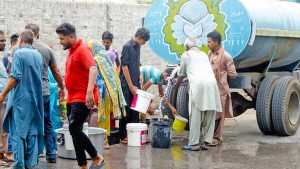
Residents of Adiala Road, Ali Town, Dhamial, Mubarak Lane and suburbs complained that private tankers in the locality often supplied filthy water due to which children and elderly people were falling victims to diarrhea and other gastric diseases.
Complaints of persisting water shortage have also been received from areas of Morgah, Dhoke Noor, Kotha Kalan, Morgah Morr and Officers Colony.
Asad Khan, a businessman, said that government had failed in overwhelming over ongoing water shortage. He said that he had to buy water from private tanker owners at very high rate.
He appealed heads of cantonment boards to look into lingering issue of water shortage.
Many other residents also register their strong protest demo against the district government for not providing the public with water, the basic need of life.