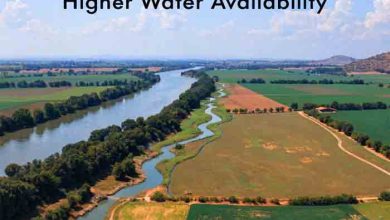

Positive Development: IRSA Water Release of 110,000 Cusecs Strengthens Indus Flow
IRSA Water Release reaches 110,000 cusecs from key rim stations as Tarbela and Mangla dams maintain safe levels, strengthening Indus River flows across Pakistan.
IRSA Water Release figures show that the Indus River System Authority (IRSA) on Tuesday released 110,000 cusecs of water from various rim stations, ensuring steady flow in the country’s river network.
According to official data, the total inflow into the river system was recorded at 38,300 cusecs, while regulated outflows were maintained to meet irrigation and downstream requirements.
This IRSA Water Release update comes at a crucial time as agricultural demand remains high and water management remains central to Pakistan’s food security.
Tarbela Dam: Stable Levels Above Dead Storage
The water level in the Tarbela Dam stood at 1476.23 feet, which is 74.23 feet above its dead level of 1402.00 feet.
- Inflow: 12,200 cusecs
- Outflow: 35,000 cusecs
The IRSA Water Release strategy ensures that Tarbela maintains operational safety while meeting downstream irrigation requirements.
Maintaining levels above dead storage is critical for hydropower generation and seasonal water distribution planning.
Mangla Dam: Strong Buffer Above Dead Level
At the Mangla Dam, the water level was recorded at 1176.25 feet, standing 126.25 feet above its dead level of 1,050 feet.
- Inflow: 11,100 cusecs
- Outflow: 60,000 cusecs
The higher outflow reflects irrigation demand and regulated distribution within the Indus Basin Irrigation System.
The IRSA Water Release from Mangla plays a pivotal role in supporting Punjab’s canal networks.
Downstream Barrage Releases
IRSA data shows the following water releases at major downstream stations:
- Kalabagh: 32,800 cusecs
- Taunsa: 34,600 cusecs
- Guddu: 35,800 cusecs
- Sukkur: 9,600 cusecs
These barrages regulate flows for agricultural zones across Punjab and Sindh.
The IRSA Water Release mechanism ensures equitable provincial distribution under the Water Apportionment Accord.
Kabul and Chenab River Contributions
From the Kabul River at Nowshera:
- Release: 6,700 cusecs
From the Chenab River at Marala:
- Release: 1,800 cusecs
These supplementary flows strengthen overall river discharge and contribute to irrigation sustainability.
Why IRSA Water Release Matters
The IRSA Water Release of 110,000 cusecs is significant because:
- Pakistan’s agriculture depends heavily on canal irrigation
- Hydropower generation requires stable reservoir levels
- Inter-provincial water sharing must remain balanced
- Flood and drought management require controlled flows
Efficient regulation by IRSA prevents both water shortages and uncontrolled surges.
For broader water governance frameworks, see the World Bank (Link: https://www.worldbank.org).
Strategic Importance for Agriculture and Economy
The Indus River System irrigates nearly 80% of Pakistan’s cultivated land.
Timely IRSA Water Release supports:
- Wheat and cotton crops
- Canal-fed farming regions
- Hydropower production
- Drinking water supply
With rising climate variability and glacier melt affecting seasonal flows, real-time monitoring and transparent reporting remain essential.
(Internal link suggestion: Read our latest report on Pakistan’s water storage challenges.)
Water Management in a Climate-Stressed Era
Pakistan’s water system faces dual challenges:
- Increasing agricultural demand
- Climate change-induced variability
Efficient IRSA Water Release decisions help stabilise supply in a complex hydrological environment.
The authority’s daily monitoring of inflows, outflows, and dam levels supports proactive resource planning.
Conclusion
The IRSA Water Release of 110,000 cusecs reflects continued regulatory management of Pakistan’s critical river infrastructure.
With Tarbela and Mangla dams maintaining safe operational buffers above dead levels, and downstream barrages functioning effectively, the Indus River System remains stable for now.
However, sustained vigilance, transparent reporting, and climate-resilient water governance will remain vital as Pakistan navigates increasing environmental and agricultural pressures.