
Pakistan Signs Historic Carbon Market Deal with Norway to Boost Green Investment
Pakistan has signed its first carbon market deal with Norway under the Paris Agreement, opening the door for green investment, carbon credits, job creation, and climate action.
Pakistan has signed its first-ever carbon market agreement with Norway under Article 6 of the Paris Agreement, marking a major step toward reducing emissions and attracting green investment.
The agreement is expected to help Pakistan generate climate credits, create jobs, attract international funding, and support climate-related sectors such as renewable energy, agriculture, transport, and waste management.
Pakistan and Norway Sign First Carbon Market Deal
The memorandum of understanding was signed in Islamabad between Pakistan and Norway at the Ministry of Climate Change.
According to officials, the deal will allow Pakistan to reduce emissions through approved climate projects and convert those reductions into carbon credits that can be purchased by Norway.
These credits can help Norway achieve its 2030 climate targets while also supporting Pakistan’s long-term environmental goals.
Per Albert Ilsaas said the agreement would support green growth, job creation, and wider social and environmental benefits in Pakistan.
What the Carbon Market Deal Means for Pakistan
The agreement signed under Article 6 of the Paris Agreement allows countries to cooperate on reducing greenhouse gas emissions.
Under the deal, Pakistan can generate carbon credits through projects in:
- Renewable energy
- Agriculture
- Transport
- Waste management
- Climate-smart infrastructure
These credits can later be traded internationally as internationally transferred mitigation outcomes, also known as ITMOs.
Officials believe the deal could unlock new sources of climate finance and encourage foreign investors to support green projects across Pakistan.
Government Calls Agreement a Historic Milestone
Musadik Malik described the agreement as a “historic milestone” for Pakistan.
He said the deal marks the country’s shift from preparing for carbon markets to actively implementing them.
According to the minister, carbon markets should not only reduce emissions but also help countries like Pakistan:
- Finance climate transition plans
- Create jobs
- Attract new technologies
- Deliver benefits to local communities
- Improve economic resilience
The government believes that international climate cooperation will become increasingly important as Pakistan faces more severe climate-related disasters.
Why Pakistan Needs Climate Investment
Pakistan remains among the countries most vulnerable to climate change.
Extreme weather events including floods, droughts, cyclones, heavy rainfall, and heatwaves have become more frequent and intense in recent years.
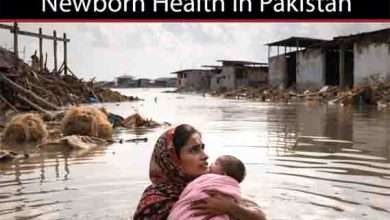
The devastating 2022 floods killed more than 1,700 people and caused losses exceeding $30 billion. In recent years, flash floods and monsoon rains have also killed more than 1,000 people across the country.
These repeated disasters have increased the need for international climate finance, green investment, and stronger adaptation measures.
Potential Sectors for Carbon Credit Projects
The new Pakistan-Norway carbon market deal could support a wide range of projects, including:
- Solar and wind energy
- Electric transport systems
- Waste recycling and methane reduction
- Sustainable agriculture
- Water conservation
- Reforestation and afforestation
- Climate-smart irrigation systems
Such projects could help Pakistan reduce emissions while also creating employment opportunities and supporting sustainable economic growth.
Conclusion
The Pakistan carbon market deal with Norway is an important breakthrough for the country’s climate and economic future.
By opening the door to carbon credits, green investment, and international cooperation, the agreement could help Pakistan strengthen climate resilience, reduce emissions, and create new opportunities for jobs and sustainable development.