
Pakistan raises India’s suspension of water-sharing treaty with UNGA president
Pakistan raises India’s suspension of water-sharing treaty with UNGA president, warning of dangerous precedents threatening millions amid climate stress and water scarcity.
Pakistan raises India’s suspension of water-sharing treaty with UNGA president as tensions over one of the world’s most important river agreements intensify.
Islamabad has formally urged the United Nations to intervene after New Delhi placed the Indus Waters Treaty in abeyance — a move Pakistani officials describe as illegal, destabilizing, and catastrophic for water security in a climate-vulnerable region.
Experts warn that dismantling long-standing water agreements could fuel future conflicts across South Asia and beyond.
Pakistan Takes Treaty Dispute to the United Nations
The issue was raised by Yousaf Raza Gilani during a meeting with Annalena Baerbock, President of the United Nations General Assembly.
Gilani condemned India’s action as a blatant violation of treaty obligations and customary international law, warning it threatens the livelihoods of over 240 million Pakistanis.
He stressed that in an era of climate stress and water scarcity, unilateral decisions could destabilize entire regions.
Why the Indus Waters Treaty Is Critical for Stability
The Indus Waters Treaty, brokered by the World Bank, has governed water sharing between Pakistan and India since 1960.
Under the treaty:
Pakistan controls:
- Indus River
- Jhelum River
- Chenab River
India controls:
- Ravi River
- Beas River
- Sutlej River
The agreement ensured water cooperation even during wars — making it one of the most successful transboundary water treaties in history.
Its suspension now threatens decades of regional water security.
Climate Stress Turns Water Into a Strategic Threat
South Asia is among the fastest-warming regions on Earth.
Pakistan is experiencing:
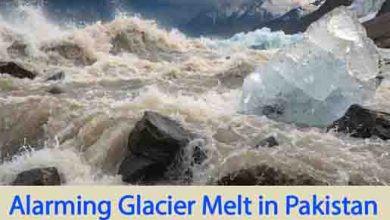
- Glacier melt in the Himalayas
- Unpredictable monsoons
- Extreme heatwaves
- Drought cycles
Water experts say cooperation is now more critical than ever.
Gilani emphasized that climate change is transforming water from a shared resource into a strategic survival issue.
External Link: https://www.unwater.org
Military Escalation Raises Regional Alarm
India announced the treaty suspension after a deadly attack in Indian-administered Kashmir killed more than 26 tourists.
New Delhi blamed Pakistan — a charge Islamabad rejected.
The fallout included:
- Four days of military conflict
- Fighter jets, drones, missiles, artillery
- Regional escalation risks
A ceasefire was eventually brokered by the United States, but tensions remain high.
Diplomats warn water disputes combined with military hostility could spark future confrontations.
Legal Violations and International Law Concerns
International legal experts argue that:
The treaty has no suspension clause
Disputes must follow arbitration mechanisms
Unilateral action violates binding obligations
Pakistan has signaled it may pursue international legal remedies if diplomatic channels fail.
Such treaty breakdowns could weaken global water governance frameworks.
Role of the United Nations in Conflict Prevention
The matter was discussed during the annual hearing of the Inter-Parliamentary Union, where Gilani called for stronger multilateral cooperation.
He reaffirmed that the UN remains central to:
- Peacebuilding
- Climate diplomacy
- Resource conflict prevention
“Reform must be for all — privilege for none,” he told delegates.
What This Means for 240 Million Pakistanis
Pakistan’s economy and food system depend almost entirely on Indus Basin water.
The rivers support:
- 90% of agriculture
- National drinking supply
- Hydropower generation
- Food security
Any disruption could trigger:
Crop failures
Food inflation
Urban shortages
Climate displacement
Internal Link Example: https://vow101.com/news-on-climate-change-crisis-mitigation-action/
Global Implications for Transboundary Rivers
If one of the world’s most successful water treaties collapses, analysts warn it could:
- Encourage water weaponization
- Destabilize river basins worldwide
- Undermine international law
From the Nile to the Mekong, other nations may follow similar unilateral approaches.
External Link: https://www.worldbank.org/en/topic/water
The Path Forward for Water Cooperation
Pakistan is urging:
UN mediation
Restoration of treaty mechanisms
Climate-focused water diplomacy
Respect for international law
Experts believe the crisis could either:
Strengthen global water governance
Or open an era of water conflicts
The response of international institutions will shape the future of transboundary cooperation.