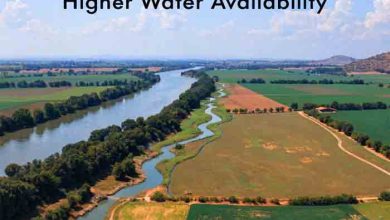

Pakistan Netherlands Water Management Pact Sparks Powerful Hope Against Climate Crisis in 2026
Pakistan Netherlands water management pact marks a powerful step toward climate resilience, flood control, and sustainable water governance through international cooperation.
The Pakistan Netherlands water management pact represents a strategic response to Pakistan’s intensifying climate challenges. From destructive monsoon floods to prolonged droughts, water has become both a life source and a national risk factor.
This partnership aims to enhance:
- Integrated water resource management
- Climate-resilient infrastructure planning
- Institutional capacity building
- Advanced flood mitigation strategies
Experts view this MoU as a transformative opportunity for Pakistan to adopt internationally tested solutions.
Strengthening Technical Cooperation for Sustainable Water Planning
At the heart of the Pakistan Netherlands water management pact lies professional training and technical collaboration. Engineers, planners, and policymakers from Pakistan will receive specialised education in:
- Climate-adaptive water systems
- Flood risk modelling
- Sustainable water allocation
- Urban drainage management
IHE Delft — globally recognised as the largest international graduate water education institute — will guide Pakistan’s institutions toward modern water governance standards.
External Resource: https://www.unwater.org
External Resource: https://www.worldbank.org/en/topic/water
High-Level Diplomatic Engagement Strengthens Trust
The MoU was concluded during talks involving senior officials from Pakistan and the Netherlands. The visiting Dutch delegation was led by:
- Graham Jewitt – Vice Rector and Academic Director, IHE Delft
- Ilyas Masih – Associate Professor, IHE Delft
They met with Federal Minister for Water Resources Mian Muhammad Mueen Wattoo, alongside Dutch Ambassador Robert-Jan Siegert and Deputy Head of Mission Hajo Provó Kluit.
The discussions reflected a shared vision of climate resilience through technical excellence.
Why the Pakistan Netherlands Water Management Pact Is Crucial
Pakistan remains among the world’s most climate-vulnerable countries. The last decade has seen:
- Record-breaking floods displacing millions
- Rapid glacier melt in northern regions
- Severe urban flooding in Karachi and Lahore
- Growing agricultural water shortages
Climate variability has amplified Pakistan’s water risks — making international cooperation essential rather than optional.
Netherlands: A Global Pioneer in Living With Water
Much of the Netherlands lies below sea level — yet the country thrives through advanced flood management systems. Its innovative strategies include:
- Delta Works flood barriers
- Smart drainage cities
- Nature-based water solutions
- Integrated watershed planning
This “living with water” philosophy is now being shared with Pakistan under the new water management pact.
Capacity Building Through Knowledge Exchange
The pact prioritises human capital development — empowering Pakistani professionals with global expertise.
Training will focus on:
- Climate-resilient infrastructure design
- Flood early-warning systems
- Sustainable groundwater management
- Policy-driven water governance
This approach ensures Pakistan doesn’t just build infrastructure — it builds institutional intelligence.
Pakistan’s Deepening Water Crisis
Pakistan is approaching a critical water scarcity threshold. According to environmental experts:
- Per capita water availability has dropped drastically
- Groundwater levels are rapidly declining
- Agricultural productivity faces serious risks
- Urban water demand is exploding
Without modern water governance reforms, Pakistan risks long-term socio-economic instability.
Broader Institutional Collaboration Expands Impact
Beyond the Ministry of Water Resources, IHE Delft’s delegation will engage with:
- Leading universities
- Disaster risk management institutions
- Environmental research bodies
- Agricultural stakeholders
This multi-sector approach ensures climate resilience is embedded across Pakistan’s development landscape.
Climate Adaptation Through Global Partnerships
The Pakistan Netherlands water management pact reflects a growing global recognition: climate change demands cross-border solutions.
Benefits include:
Access to global expertise
Modern planning tools
Evidence-based policymaking
Climate-proof infrastructure
Sustainable water security
This collaboration aligns with international climate adaptation frameworks promoted by the UN and World Bank.
The Road Ahead for Pakistan’s Water Security
While the MoU is a powerful start, long-term success depends on:
- Effective implementation
- Strong institutional coordination
- Continued international funding
- Community engagement
- Transparent governance
If executed strategically, this pact could redefine Pakistan’s water future — turning crisis into climate resilience.