

Pakistan may lose 20% of GDP by 2050: Alarming World Bank warning for Pakistan’s future economy
Pakistan may lose 20% of GDP by 2050 if climate action fails, warns World Bank. Pakistan must boost climate financing, resilience, disaster protection, green growth, and governance.
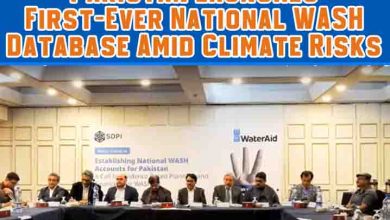
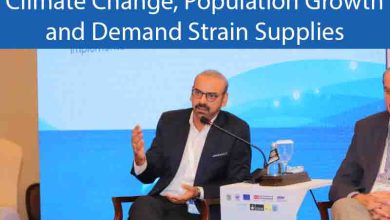
Pakistan may lose 20% of GDP by 2050. This is not a hypothetical projection by an academic think tank — this is exactly the warning delivered directly by the World Bank Country Director at the Sustainable Development Policy Institute (SDPI) seminar on Sustainable Development in an Emerging World.
The Focus Keyword “Pakistan may lose 20% of GDP by 2050” reflects a brutal reality — the climate crisis is not a future theory. It is an unfolding economic emergency that Pakistan is already paying for.
From deadly heatwaves to billion-dollar floods, Pakistan’s economy is being broken by climate shocks.
World Bank rings alarm
The World Bank Country Director said that Pakistan may lose 20% of GDP by 2050, driven by climate disasters, environmental collapse, air pollution, and governance failures.
This is a negative economic sentiment — because the warning is catastrophic.
She also highlighted:
- Pakistan has already suffered $2.9 billion loss just from recent floods.
- The 2022 floods alone created $30 billion damages.
- Pakistan ranks among the most climate-vulnerable nations on earth.
She also confirmed that the World Bank has allocated $20 billion under its Country Partnership Framework for Pakistan — an unprecedented long-term development envelope, which could continue for 20+ years if reforms stay on track.
External Source :
World Bank Climate Data → https://www.worldbank.org/en/topic/climatechange
Real losses from historic climate disasters
Remember — the 2022 floods wiped out:
- 2 million houses
- 4 million acres of crops
- 12,000 km of road
This destroyed value, jobs, livestock, food production, rural income, and livelihoods.
If Pakistan may lose 20% of GDP by 2050 — then the 2022 flood was just a preview.
IMF: climate impacts are deepening macroeconomic fragility
IMF representative Maheer Benichi also spoke at SDPI.
He said that Pakistan’s macroeconomic fragility is now directly tied to climate shocks.
He also confirmed:
Pakistan will receive the first tranche of the Resilience and Sustainability Facility by December.
External Source :
IMF RSF → https://www.imf.org/en/Topics/RSF
But he warned Pakistan to improve:
- public financial management
- transparency
- climate governance
— because the world will not finance climate projects that are not measurable, traceable, and accountable.
What reforms can reverse the coming economic shock?
The World Bank stressed that Pakistan needs:
- green finance reforms
- bankable climate projects
- environmental regulation
- fiscal climate mainstreaming
Without this — Pakistan may lose 20% of GDP by 2050 — because there will be no resilience cushion.
The old development model (cement + roads) is dead.
Climate resilience IS economic stability now.
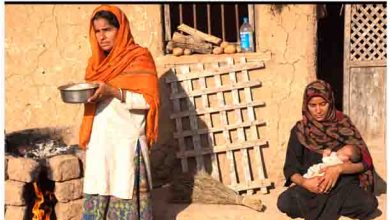
Human development + social insecurity rising
Another alarming insight:
40% of Pakistani children are malnourished.
Water is toxic.
Air is unbreathable.
Food insecurity rising.
Education collapsing.
Climate is killing Pakistan slowly — not just through disasters — but through everyday silent poisoning.
If 40% of children are malnourished today — what will happen when climate-triggered inflation makes food even more expensive?
Climate is a human development killer.
Pakistan must invest $8–10 billion per year in climate adaptation
Experts at SDPI were unanimous:
Pakistan must invest USD 8–10 billion annually in climate adaptation.
This is not optional.
This is not development.
This is survival.
If Pakistan delays — then Pakistan may lose 20% of GDP by 2050 — because disaster losses will continue to exceed development gains.
Conclusion: the cost of inaction will be brutal
Climate disasters are now economic shocks.
Climate adaptation is now sovereign protection.
This article shows — clearly — that the Focus Keyword is not a slogan. It is a REAL measurable outcome:
Pakistan may lose 20% of GDP by 2050
This is an apocalyptic loss — equal to destroying one-fifth of Pakistan’s economy.
Pakistan does not have 25 years to waste.
Climate resilience IS the economy