
Pakistan Floods 2025: Deadly Monsoon Strikes Again as Climate Crisis Escalates
Pakistan floods 2025 claim 72 lives as heavy monsoon rains trigger flash floods. Learn how climate change is intensifying disasters in South Asia.
Pakistan floods 2025 have returned with a vengeance, leaving destruction and despair across the nation. As monsoon rains, intensified by climate change, batter the region for the second week, Pakistan finds itself once again submerged in a crisis that’s becoming all too familiar.
From June 26 to July 6, torrential downpours caused flash floods that swept away homes, livestock, and vital infrastructure. More than 72 people have died, and over 130 have been injured, making it one of the deadliest monsoon disasters in recent years.
Rising Toll: 72 Dead, Hundreds Injured
According to the National Disaster Management Authority (NDMA), the floods have severely affected multiple provinces, including Khyber Pakhtunkhwa, which reported the highest number of fatalities.
Rivers like the Indus, Swat, Jhelum, and Chenab are dangerously swollen, threatening nearby towns and villages. Hundreds of homes have been damaged, and thousands of livestock have perished in the floodwaters.
NDMA has issued continued flood warnings through mid-July.
Regions Hardest Hit by Pakistan Floods 2025
The following regions have faced the most significant impacts:
- Khyber Pakhtunkhwa – highest death toll and structural damage
- Punjab – major river overflow and crop loss
- Sindh – infrastructure breakdown and displacement
- Balochistan – disrupted road and communication networks
- Gilgit-Baltistan and Jammu & Kashmir – glacial streams flooding mountain communities
Climate Change Behind Deadly Extremes
Pakistan is no stranger to natural disasters, but the intensity and frequency of these events are escalating rapidly. The Pakistan floods 2025 highlight how climate change is reshaping the monsoon cycle in South Asia.
According to Germanwatch’s Climate Risk Index 2025, Pakistan is the most climate-vulnerable country globally, despite contributing less than 1% of global emissions.
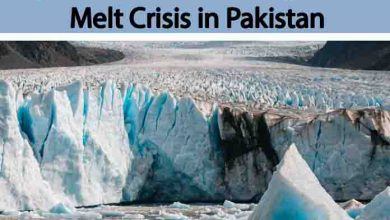
In 2022, the country suffered $40 billion in losses, over 1,700 deaths, and the displacement of 33 million people. That catastrophe was driven by record rainfall and glacial lake outburst floods (GLOFs)—both linked to a warming planet.
Scientists say climate change made monsoon rains in South Asia 50% more intense.
Economic, Environmental, and Human Cost
The recurring disasters have far-reaching consequences:
- Agricultural loss: Vast tracts of fertile land are now submerged.
- Infrastructure collapse: Roads, bridges, and utility lines are washed away.
- Public health emergencies: Outbreaks of cholera, dengue, and diarrhea are emerging.
- Education disruption: Schools in flood-hit areas are closed or turned into shelters.
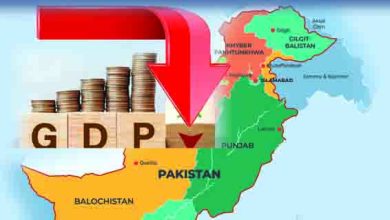
In a country where over 20% of the population lives below the poverty line, such disasters further entrench vulnerability and widen the inequality gap.
Flooding and Water Scarcity: A Dual Crisis
Ironically, Pakistan is facing both floods and droughts simultaneously. The country was water-abundant just a few decades ago. Today, it’s ranked among the 15 most water-stressed nations and is expected to face absolute water scarcity by 2035.
Floodwaters contaminate reservoirs and drinking supplies, spreading disease and destroying fragile infrastructure.
In flood-prone communities, the lack of access to clean water worsens post-disaster recovery.
What the Future Holds
Looking forward, the projections are grim:
- By 2044, 5 million people could be exposed to extreme river flooding every year.
- 1 million coastal residents may be displaced by sea-level rise.
- Average temperatures in Pakistan could increase by 3°C by 2040, and up to 6°C by the end of the century.
This would devastate agriculture, intensify food insecurity, and force large-scale climate migration.
Call to Action: Urgency of Resilience and Reform
The Pakistan floods 2025 are a clarion call for change. Experts are urging the government to:
- Invest in climate-resilient infrastructure
- Implement early warning systems
- Strengthen urban planning
- Reform disaster management institutions
- Promote community-based adaptation
Pakistan must urgently enhance its climate resilience, or face catastrophic consequences year after year.