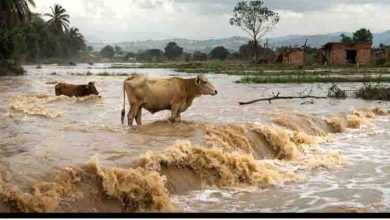

Pakistan Evacuates 150,000 People After Devastating Flood Warning From India | Urgent Update 2025
Pakistan evacuates 150,000 people after flood warning from India. The disaster threatens Punjab’s agricultural heartland, straining ties between the two nuclear rivals.
Pakistan evacuates 150,000 people after flood warning from India, a move highlighting the escalating humanitarian crisis in South Asia. The warning was triggered after India announced its plan to release excess water from the Madhopur Dam due to relentless monsoon rains.
The release of water into the Ravi, Sutlej, and Chenab rivers could inundate Pakistan’s Punjab province, a region considered the breadbasket of the country. This has intensified fears of agricultural destruction, food shortages, and worsening diplomatic ties between the nuclear-armed neighbors.
Flood Warning From India: Rising Tensions
The announcement came as a surprise to Islamabad. On Monday, India issued a notice through diplomatic channels that large volumes of water would flow across the border.
-
India insists the move is routine and necessary due to overflowing dams.
-
Pakistan views the development with suspicion, particularly after New Delhi suspended cooperation under the Indus Waters Treaty earlier this year.
-
The fragile diplomatic environment makes the situation particularly volatile.
This flood warning has become not just an environmental issue but also a geopolitical flashpoint between two historical rivals.
Read more about Indus Waters Treaty disputes.
Pakistan’s Emergency Evacuations
The National Disaster Management Authority (NDMA) in Pakistan confirmed that nearly 150,000 residents from flood-prone villages along the three rivers were evacuated.
-
Hundreds of villages have been cleared.
-
Temporary shelters and relief camps are being established.
-
Local authorities are working to secure livestock and standing crops.
Mazhar Hussain, a senior NDMA official, confirmed that the water release will be controlled but still poses major risks. The scale of evacuation highlights the seriousness of the threat.
Impact on Punjab’s Agricultural Heartland
Punjab province is home to over half of Pakistan’s 240 million people and produces the bulk of its wheat, rice, and sugarcane.
The threat of floods here is catastrophic because:
-
Fertile croplands along the rivers are already saturated.
-
Displacement of farming communities will reduce harvest yields.
-
Pakistan’s food security may weaken at a time of economic crisis.
This disaster is not only a humanitarian challenge but also a food security emergency.
Related reading: Pakistan’s agriculture and climate risks.
The Indus Waters Treaty Dispute
The Indus Waters Treaty (1960), brokered by the World Bank, regulates the sharing of the Indus river system between India and Pakistan. However, New Delhi recently announced it would suspend the treaty following a deadly militant attack in Indian-administered Kashmir.
-
Pakistan insists that India must notify water releases under the treaty.
-
India argues that the warnings were issued on humanitarian grounds, not as treaty obligations.
-
This creates another layer of mistrust and diplomatic friction.
Internal link: See our detailed coverage of the Indus Waters Treaty crisis.
Climate Change and Monsoon Flooding
This crisis also exposes the climate vulnerability of South Asia.
-
Pakistan’s northern glaciers in Gilgit-Baltistan are melting faster due to warming temperatures.
-
Karachi, Pakistan’s financial hub, was recently submerged during torrential rains.
-
Khyber Pakhtunkhwa province has already recorded half of the 799 monsoon deaths this season.
Experts warn that climate change is amplifying extreme weather and South Asia must prepare for more such cross-border disasters.
Humanitarian Concerns and Casualties
Floods in August alone have killed at least 60 people in the wider region, with casualties mounting daily. In Pakistan:
-
The 799 total deaths this monsoon season highlight the scale of devastation.
-
Displacement numbers could rise above 200,000 people if more water is released.
-
Vulnerable groups, including women, children, and the elderly, are most at risk.
Humanitarian agencies are urging international aid and cooperation to minimize losses.
Global Reactions and Regional Diplomacy
The flood warning and mass evacuation have drawn attention from international observers.
-
Human rights groups stress that cross-border water management should not become a weapon of politics.
-
Diplomats in both capitals are closely monitoring developments.
-
Analysts warn that blame games could inflame military tensions.
With both countries already in a fragile post-conflict state since May, water politics could easily escalate into a regional crisis.
Conclusion
As Pakistan evacuates 150,000 people after flood warning from India, the unfolding situation reveals more than just a natural disaster. It is a story of climate vulnerability, agricultural fragility, and geopolitical mistrust between two nuclear-armed rivals.
Pakistan’s proactive evacuation may save lives, but the true cost will be measured in lost crops, livelihoods, and strained diplomatic relations.
For the people living along the Ravi, Sutlej, and Chenab rivers, the floodwaters are not just a natural force — they are a symbol of the fragile balance between climate, politics, and survival in South Asia.