

Pakistan Disaster Risk Management: Critical NDMA Climate Forecasting System Strengthened
Pakistan Disaster Risk Management is being enhanced through advanced forecasting, glacier monitoring, early warning systems, and climate resilience initiatives led by NDMA.
Pakistan Disaster Risk Management is receiving a significant boost as the National Disaster Management Authority (NDMA) expands the use of advanced forecasting technologies, climate monitoring systems, and early warning mechanisms to reduce the growing risks associated with climate change.
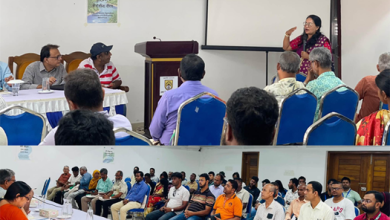
The latest developments were highlighted during a meeting of the Senate Standing Committee on Cabinet Secretariat, where NDMA officials briefed lawmakers on ongoing efforts to strengthen disaster preparedness and improve emergency response capabilities nationwide.
As climate-related disasters become more frequent and intense, Pakistan is increasingly investing in technological solutions aimed at protecting lives, infrastructure, and livelihoods.
Climate Change Increasing Disaster Risks Across Pakistan
Pakistan remains among the countries most vulnerable to climate change despite contributing minimally to global greenhouse gas emissions.
The country faces a growing range of environmental threats, including:
- Heatwaves
- Flash floods
- Glacial lake outburst floods (GLOFs)
- Droughts
- Landslides
- Extreme rainfall events
- Glacier melting
According to NDMA officials, changing climate patterns are increasing the frequency and severity of natural disasters across the country.
During the Senate committee briefing, members were informed that several regions are expected to experience above-normal temperatures, particularly in Sindh, Balochistan, and southern Punjab.
Meanwhile, northern areas face heightened risks from glacier-related hazards and flash flooding.
NDMA Enhances Forecasting Capabilities
A key pillar of Pakistan Disaster Risk Management is the use of advanced forecasting and monitoring systems.
Chairman NDMA Lieutenant General Inam Haider Malik informed lawmakers that the authority is continuously monitoring weather patterns through collaboration with national and international partners.
The objective is to provide:
Accurate Weather Forecasting
Advanced forecasting systems help identify emerging threats before they develop into major disasters.
Risk Assessment
Authorities can assess vulnerable regions and prepare response plans accordingly.
Early Warning Dissemination
Timely alerts enable communities and local administrations to take preventive measures.
Emergency Preparedness
Forecasting information supports better allocation of resources and emergency response planning.
These measures are critical for reducing disaster-related losses and improving resilience.
Rising Threat of GLOFs and Flash Floods
One of the most pressing concerns discussed during the committee meeting was the increasing risk of Glacier Lake Outburst Floods (GLOFs).
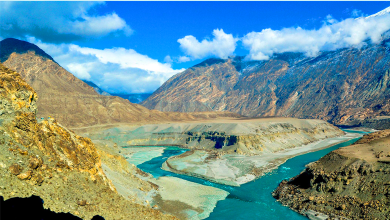
Pakistan’s northern regions contain thousands of glaciers, many of which are highly sensitive to rising temperatures.
Areas facing elevated risks include:
- Gilgit-Baltistan
- Upper Khyber Pakhtunkhwa
- Chitral
- Swat
- Kumrat Valley
As glaciers melt rapidly, lakes form behind unstable natural barriers.
When these barriers collapse, massive volumes of water can be released suddenly, causing devastating floods downstream.
Experts warn that climate change is accelerating glacier melt and increasing the likelihood of such events.
Technology-Driven Disaster Preparedness
The NDMA has introduced a range of technological initiatives to strengthen Pakistan Disaster Risk Management.
These innovations include:
Real-Time Monitoring Platforms
Authorities can monitor weather conditions, river flows, and hazard developments in real time.
Mobile Applications
Citizens can receive:
- Early warning notifications
- Emergency alerts
- Weather updates
- Disaster response information
Digital Risk Mapping
Advanced mapping tools help identify vulnerable areas and prioritize preparedness measures.
Data Integration Systems
Multiple agencies can share information more effectively during emergencies.
Officials believe that technology is becoming an increasingly important component of modern disaster management strategies.
Strengthening Climate-Resilient Infrastructure
Beyond forecasting and monitoring, NDMA is working to promote climate-resilient infrastructure throughout Pakistan.
Key initiatives include:
Flood-Resistant Construction
Infrastructure projects are being designed to withstand extreme weather events.
Emergency Response Facilities
Authorities are improving disaster response centers and operational capacities.
Community Preparedness Programs
Public awareness campaigns help communities understand disaster risks and preparedness measures.
Strategic Stockpiles
Emergency supplies are being positioned in vulnerable regions to ensure rapid deployment during crises.
These efforts aim to reduce economic losses while improving public safety.
Coordination Between Federal and Provincial Authorities
Effective disaster management requires strong coordination among multiple levels of government.
During the committee meeting, Senator Anusha Rahman emphasized the importance of improving collaboration between NDMA and provincial administrations.
In response, NDMA officials stated that:
- Regular coordination mechanisms are operational.
- Emergency preparedness plans are in place.
- Resource-sharing systems have been established.
- Disaster response protocols are regularly updated.
Committee members stressed that coordination gaps must be addressed to ensure faster and more effective responses during emergencies.
The issue remains a central component of Pakistan’s disaster management framework.
Glacier Monitoring Challenges in Pakistan
The committee also received a briefing on glacier monitoring initiatives currently underway in Pakistan.
NDMA officials highlighted that a UNDP-supported project has installed glacier monitoring systems across vulnerable regions.
Currently:
- Approximately 350 monitoring devices are operational.
- Pakistan contains around 13,500 glaciers.
- Existing monitoring coverage remains limited.
Chairman NDMA acknowledged that significantly more infrastructure is required to monitor glaciers effectively.
The committee was informed that additional investment in monitoring technology is essential for improving early warning capabilities and reducing disaster risks.
Experts believe enhanced glacier monitoring will become increasingly important as climate change accelerates glacier retreat.
National Disaster Management Amendment Bill 2025
The Senate committee also reviewed the proposed National Disaster Management (Amendment) Bill 2025.
Lawmakers raised several concerns regarding:
Transparency
Ensuring public accountability in disaster management operations.
Relief Distribution
Improving the speed and efficiency of aid delivery.
Institutional Coordination
Strengthening collaboration among federal, provincial, and district authorities.
Governance Reforms
Enhancing the effectiveness of disaster management institutions.
The committee recommended broader consultations with provincial governments before moving forward with the legislation.
Further consideration of the bill was deferred pending the government’s formal response.
Innovative Flood Warning Technologies
The committee also heard a presentation from a United States-based company regarding sensor technologies designed to provide early flood warnings.
The proposed system aims to:
- Detect rising water levels
- Issue rapid alerts
- Improve emergency preparedness
- Reduce flood-related losses
Committee members expressed interest in exploring technological partnerships that could strengthen Pakistan’s disaster risk management capabilities.
Experts believe combining advanced sensors with existing monitoring systems could significantly improve forecasting accuracy.
Future Outlook for Pakistan Disaster Risk Management
Pakistan faces an increasingly complex climate risk landscape.
Population growth, environmental degradation, urbanization, and climate change are creating new challenges for disaster management agencies.
However, investments in:
- Forecasting technology
- Early warning systems
- Climate-resilient infrastructure
- Glacier monitoring
- Emergency preparedness
are helping strengthen national resilience.
Experts argue that continued innovation, institutional reforms, and stronger coordination will be essential to protecting communities from future disasters.
Conclusion
Pakistan Disaster Risk Management is entering a new phase driven by technological innovation, improved forecasting capabilities, and stronger climate resilience strategies. The National Disaster Management Authority’s efforts to expand monitoring systems, strengthen emergency preparedness, and enhance coordination reflect the country’s growing recognition of climate-related risks.
As Pakistan continues to face threats from floods, heatwaves, glacier melting, and extreme weather events, investments in advanced forecasting, disaster preparedness, and resilient infrastructure will play a crucial role in safeguarding lives and supporting sustainable development. Strengthening cooperation among federal, provincial, and local institutions will remain key to building a more resilient future.