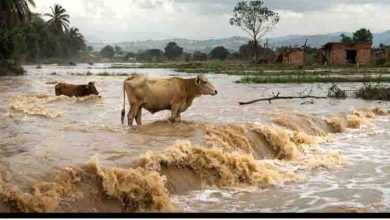


Pakistan Deadly Floods Displace Millions: Shocking Disaster and Urgent Relief Efforts 2025
More than two million people have been evacuated in Punjab during the Pakistan deadly floods. Learn about the devastating impact, relief efforts, and the urgent call for climate action.
The Pakistan deadly floods have struck with unrelenting force since late June. Torrential monsoon rains caused major rivers, including the Indus and Chenab, to overflow. Authorities have confirmed that more than 900 people have died nationwide, while thousands remain missing.
The floods have washed away thousands of homes, destroyed agricultural land, and left millions at risk of hunger and disease. Families in rural Punjab and Sindh are among the hardest hit, as they depend heavily on farming for their survival.
Evacuations in Punjab and Sindh
Punjab province has seen the largest evacuation in recent years, with more than two million people displaced. Sindh province has reported another 150,000 evacuations, but NDMA chief Inam Haider Malik warns that the number is likely to rise.
Despite evacuation warnings, many families chose to remain behind to guard their homes and livestock. In several villages, rescue teams were forced to go door-to-door, using small boats to carry families to safer ground.
Tragically, these efforts are not without danger. In one incident, nine people died when a rescue boat capsized in the Indus River. Similar accidents have been reported in Jalalpur Pirwala city, where currents remain dangerously strong.
The Rising Death Toll and Tragedy
According to the International Medical Corps, more than 900 people have lost their lives since the monsoon season began. Many victims drowned in rising waters, while others perished due to collapsed houses, landslides, and disease outbreaks.
Children and the elderly are disproportionately affected, with families struggling to access clean drinking water, medical aid, and shelter. The floods have created a humanitarian crisis, deepening the poverty that already affects 40% of Pakistan’s population.
Climate Change and Pakistan’s Vulnerability
Experts agree that climate change has worsened the Pakistan deadly floods. Rising global temperatures have led to:
-
More intense monsoon rains.
-
Faster glacial melting in the Himalayas.
-
New glacial lakes prone to sudden outbursts.
Pakistan ranks among the world’s most climate-vulnerable countries, despite contributing less than 1% to global carbon emissions. The country faces the dual challenge of extreme heatwaves and intense flooding, making sustainable adaptation strategies crucial.
Rescue Operations and Relief Efforts
The NDMA has distributed tonnes of relief supplies, including:
-
Tents and blankets.
-
Water filtration units.
-
Emergency food packs.
However, logistics remain challenging. Many villages are still inaccessible by road, forcing authorities to rely on helicopters and boats.
Local communities, NGOs, and volunteers are playing a heroic role in supporting evacuees. Yet, resources are stretched thin, and many displaced families remain in urgent need of long-term rehabilitation support.
International Assistance and Support
Global support is beginning to arrive. The United Nations has allocated $5 million in emergency funding, while the US State Department has approved disaster aid and deployed personnel.
Neighboring countries have also pledged solidarity. India, which is facing its own flood crisis, reported more than 354,000 people affected and at least 30 deaths.
For context, the World Bank and Asian Development Bank have previously funded flood resilience programs in Pakistan. Experts argue that such initiatives must now be scaled up dramatically to match the scale of current and future disasters.
Echoes of the 2022 Catastrophe
The memory of the 2022 Pakistan floods remains fresh. That year, months of heavy rainfall killed more than 1,700 people and displaced 30 million, making it one of the deadliest natural disasters in Pakistan’s history.
Today’s floods may not yet have reached those levels, but experts warn that the frequency of mega-floods is increasing. Without major investments in flood defenses, Pakistan risks reliving such tragedies every few years.
Declaring a Climate Emergency
This week, Pakistani authorities formally declared a climate emergency. Prime Minister Shehbaz Sharif has directed officials to draft a 300-day climate resilience plan, focusing on:
-
Improved early warning systems.
-
Investments in flood-resistant infrastructure.
-
Reforestation programs to reduce soil erosion.
-
Expanded healthcare preparedness for climate disasters.
Such measures aim to reduce the vulnerability of millions of Pakistanis who live in flood-prone areas.
The Way Forward: Mitigation and Adaptation
The Pakistan deadly floods highlight an urgent need for climate adaptation strategies. Key steps include:
-
Strengthening embankments and dams along major rivers.
-
Improving drainage systems in urban centers.
-
Expanding insurance programs for farmers and small businesses.
-
Investing in renewable energy, reducing dependence on fossil fuels.
-
Enhancing cooperation with regional partners under international water treaties.
Pakistan must also push for stronger global climate finance commitments, ensuring that vulnerable countries receive the $100 billion annual pledge made under the Paris Agreement.
Conclusion
The Pakistan deadly floods of 2025 serve as a sobering reminder of climate vulnerability in South Asia. With more than two million displaced in Punjab and tens of thousands in Sindh, the crisis underscores the urgent need for both local resilience and global action.
While relief efforts are ongoing, long-term recovery will take months—if not years. Pakistan’s government, civil society, and international partners must work hand-in-hand to ensure that the victims of this disaster are not left behind.
The road ahead is challenging, but with decisive leadership and collective action, Pakistan can rebuild stronger and more resilient against future climate shocks.