
Pakistan Calls for Resolving Outstanding Disputes: 7 Urgent Warnings as Humanitarian Crises Deepen
Pakistan calls for resolving outstanding disputes at the United Nations, warning that unresolved conflicts, climate shocks, and funding gaps are fueling devastating humanitarian crises worldwide.
Pakistan calls for resolving outstanding disputes as a critical step to halt the alarming escalation of global humanitarian crises, warning that peace is no longer just a moral obligation but a humanitarian necessity.
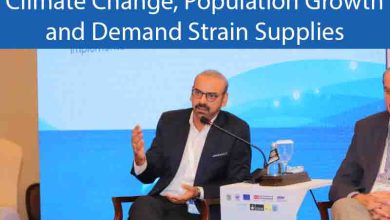
Speaking at the United Nations General Assembly during a high-level debate on humanitarian assistance, Pakistan’s Permanent Representative to the UN, Ambassador Asim Iftikhar Ahmad, urged the international community to shift focus toward conflict prevention and resolution amid shrinking global resources, intensifying conflicts, and worsening climate shocks.
“Unless conflicts are prevented and resolved, appeals will continue to grow and humanitarian response will continue to be overstretched,” the ambassador told the General Assembly.
Global Humanitarian System Under Severe Strain
Ambassador Asim Ahmad warned that the global humanitarian system is under unprecedented pressure, facing a convergence of crises that threaten millions of lives worldwide.
According to the UN’s 2026 Global Humanitarian Overview, an estimated 293 million people will require humanitarian assistance in 2026. However, existing resources are sufficient to reach only 135 million people, leaving a massive and dangerous gap.
This shortfall, Pakistan emphasized, is not merely statistical—it represents lost lives, preventable suffering, and deepening global instability.
External Link:
United Nations Office for the Coordination of Humanitarian Affairs
Conflicts as the Primary Driver of Humanitarian Crises
Pakistan stressed that unresolved conflicts remain the single biggest driver of humanitarian need worldwide.
Protracted wars, political instability, and unresolved territorial disputes continue to displace millions, disrupt food systems, destroy healthcare infrastructure, and push communities into chronic dependency on aid.
Ambassador Ahmad highlighted that humanitarian appeals are growing not because aid systems are failing, but because conflicts are not being resolved.
Humanitarian Aid Cannot Replace Political Solutions
Reiterating a key diplomatic stance, Pakistan firmly stated that humanitarian assistance cannot substitute political solutions.
The ambassador called for strengthening mechanisms for peaceful dispute resolution, including:
- Preventive diplomacy
- Mediation efforts
- The good offices of the UN Secretary-General
Only through sustained political engagement, he argued, can the root causes of humanitarian crises be addressed.
Alarming Gap in Humanitarian Financing
Calling the current humanitarian financing model unsustainable, Pakistan urged donor countries to adopt:
- Predictable, multi-year funding
- Fair global burden-sharing
- Expanded pooled funding mechanisms
Ambassador Ahmad reaffirmed Pakistan’s support for strengthening the Central Emergency Response Fund (CERF) and promoting innovative financial tools such as:
- Debt-for-climate swaps
- Debt-for-development swaps
🔗 External Link:
UN Central Emergency Response Fund
Climate Shocks Worsening Humanitarian Emergencies
Pakistan highlighted how climate-induced disasters are rapidly intensifying humanitarian crises worldwide.
Record-breaking heatwaves, droughts, floods, and storms have displaced millions and pushed vulnerable populations into hunger and poverty.
As one of the countries most affected by climate change, Pakistan stressed that frontline states are bearing disproportionate costs despite contributing minimally to global emissions.
Zero Tolerance for Violations of Humanitarian Law
Ambassador Asim Ahmad strongly condemned violations of international humanitarian law, including:
- Starvation as a weapon of war
- Sieges on civilian populations
- Attacks on medical facilities
- Targeting of humanitarian workers
Pakistan called for zero tolerance toward such actions and demanded greater accountability for perpetrators.
🔗 External Link:
International Committee of the Red Cross
Reforming the Global Humanitarian Architecture
Supporting the UN’s proposed humanitarian reset, Pakistan emphasized that reforms must:
- Be driven by Member States
- Avoid technocratic overreach
- Improve efficiency, flexibility, and predictability
The ambassador stressed the need to simplify coordination, strengthen accountability, and build national capacities to respond to emergencies more effectively.
Climate Finance and Adaptation: Pakistan’s Call
Pakistan underscored the urgency of honoring global commitments to triple adaptation finance by 2035.
The ambassador called for:
- New and additional climate finance
- Predictable and grant-based funding
- Prioritization of climate-vulnerable countries
Without adequate climate financing, Pakistan warned, humanitarian needs will continue to spiral out of control.
Protecting the Most Vulnerable Populations
Reaffirming its commitment to human dignity, Pakistan urged prioritization of:
- Women and children
- Persons with disabilities
- Refugees and displaced populations
The ambassador also emphasized the urgent need to ensure safety, mental health support, and operational protection for humanitarian workers facing escalating risks in conflict zones.
UN at 80: A Turning Point for Global Solidarity
As the United Nations approaches its 80th anniversary, Pakistan urged Member States to seize this moment as a historic turning point.
“We cannot accept a future where humanitarian appeals double, conflicts remain unresolved, and climate crises overwhelm communities,” Ambassador Ahmad warned.
Conclusion: A Call for Collective Action
In conclusion, Pakistan calls for resolving outstanding disputes as the foundation of a reimagined global humanitarian system—one built on international law, multilateral cooperation, and shared responsibility.
Without peace, Pakistan warned, humanitarian efforts will remain reactive, underfunded, and overwhelmed. Resolving conflicts, addressing climate injustice, and reforming humanitarian financing are no longer optional—they are essential for global stability and human survival.