
Musadik Malik Reviews Environment-Related Projects in Sindh: 5 Bold Steps for a Greener Pakistan
Musadik Malik reviews environment-related projects in Sindh, highlighting carbon finance, mangroves, and waste reforms boosting Pakistan’s climate resilience.
Musadik Malik reviews environment-related projects in Sindh as Pakistan intensifies efforts to align provincial initiatives with national and global climate goals. The high-level engagement underscores a growing commitment to sustainable development, carbon reduction, and climate finance-led environmental reform in one of the country’s most climate-vulnerable provinces.
Background of the High-Level Review Meeting
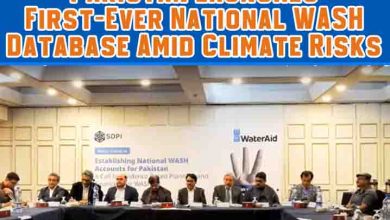
Musadik Malik reviews environment-related projects in Sindh during a joint meeting in Karachi with Sindh Minister for Planning and Development, Jam Khan Shoro. The session was attended by representatives from the World Bank, Chairman of the Planning & Development Board Najam Ahmed Shah, and senior officials from environment and allied departments.
The meeting focused on assessing progress, identifying implementation challenges, and aligning Sindh’s environmental projects with Pakistan’s broader climate commitments.
External reference: Pakistan Ministry of Climate Change
Pak Flow Project and Carbon Finance Transformation
A central agenda item was the Pak Flow Project, a flagship initiative designed to integrate climate finance mechanisms with provincial environmental programs.
Musadik Malik reviews environment-related projects in Sindh with special emphasis on:
- Carbon emission reduction strategies
- Verified Emission Reductions (VERs)
- Market-based carbon credit systems
These initiatives aim to position Pakistan as a credible participant in the global carbon market, opening doors to sustainable financing.
External resource: World Bank Climate Finance
Mangrove Restoration and Carbon Credit Opportunities
Dr. Musadik Malik lauded Sindh’s leadership in mangrove plantation and coastal ecosystem restoration, calling it a “high-impact climate solution.”
Mangroves:
- Act as powerful carbon sinks
- Protect coastal communities from climate disasters
- Generate long-term carbon credits
Musadik Malik reviews environment-related projects in Sindh and notes that mangrove-focused carbon credits can become a reliable revenue stream for Pakistan.
Climate Finance: Unlocking $20 Million for Sindh
One of the most encouraging outcomes discussed was the availability of US$20 million in climate finance, linked directly to emission reductions under the Pak Flow Project.
Key highlights:
- Funding monitored by the World Bank
- Linked to carbon credit verification
- Supports scalable environmental solutions
Musadik Malik reviews environment-related projects in Sindh and stressed that climate finance is no longer theoretical—it is now actionable and measurable.
Jam Chakro Landfill: A Model for Sustainable Waste Management
The federal minister also visited the Jam Chakro sanitary engineered landfill site, currently under construction by the Sindh Solid Waste Management Board (SSWMB).
Project Highlights:
- Five new sanitary landfill cells
- International-standard waste containment
- Environmentally safe leachate and gas management
Musadik Malik reviews environment-related projects in Sindh and praised the landfill as a blueprint for urban waste reform across Pakistan.
World Bank’s Role in Sindh’s Climate Projects
The World Bank plays a pivotal role in:
- Monitoring project transparency
- Ensuring climate finance compliance
- Verifying emission reductions
Sindh Minister Jam Khan Shoro expressed gratitude for the Bank’s technical and financial support, emphasizing long-term institutional capacity building.
External link: World Bank Pakistan
Federal–Provincial Coordination on Climate Goals
Musadik Malik reviews environment-related projects in Sindh as part of a broader effort to strengthen coordination between federal and provincial governments.
This collaboration ensures:
- Policy alignment
- Efficient resource utilization
- Consistency in climate reporting
Such coordination is essential for meeting Pakistan’s Nationally Determined Contributions (NDCs).
Transparency, Quality, and Environmental Safeguards
Dr. Malik directed all relevant institutions to maintain:
- Full transparency
- High construction and monitoring standards
- Environmental protection at every stage
Musadik Malik reviews environment-related projects in Sindh and emphasized accountability as the backbone of climate credibility.
Why These Projects Matter for Pakistan’s Economy
Beyond environmental gains, these initiatives:
- Attract foreign climate investment
- Create green jobs
- Reduce long-term disaster costs
Carbon markets and climate finance offer Pakistan a pathway to economic resilience through sustainability.
Conclusion: A Strong Step Toward Climate Resilience
As Musadik Malik reviews environment-related projects in Sindh, the message is clear: Pakistan’s climate response is evolving from policy to performance. With international backing, provincial commitment, and measurable outcomes, Sindh’s environmental initiatives represent a powerful and hopeful model for climate action nationwide.