

Karachi Records Highest-Ever April Rainfall as Pakistan Weather Death Toll Crosses 50
Karachi recorded its highest-ever April rainfall in a single day as Pakistan’s weather-related death toll crossed 50, with more rain, flooding, and strong winds expected nationwide.
Karachi has recorded its highest-ever April rainfall in a single day, while Pakistan’s nationwide weather-related death toll has crossed 50 since mid-March.
The record-breaking rainfall came as storms, hail, strong winds, and flooding affected several parts of the country, including Sindh, Balochistan, Khyber Pakhtunkhwa, and Punjab. (Arab News PK)
Karachi Breaks 41-Year April Rainfall Record
According to the Pakistan Meteorological Department, Karachi received 38.7 millimetres of rainfall within 24 hours, breaking the previous April record of 37mm set on April 2, 1985. Officials described the event as historic. (Arab News PK)
Ameer Hyder said the city also experienced an unusually cold spell, with temperatures dropping to 16°C, compared to Karachi’s normal April average of 21.8°C. (Arab News PK)
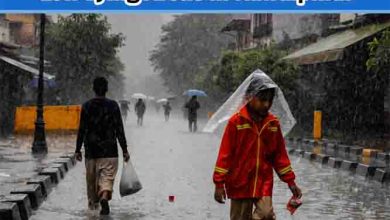
Several parts of Karachi remained flooded after the rain spell, with major roads submerged and traffic badly affected. Areas such as Safoora Chowrangi, Hassan Square, Nazimabad, Surjani Town, Keamari, Orangi Town, and University Road were among the most affected. Nazimabad recorded the highest rainfall in the city with 97.4mm over two days. (Pakistan Today)
Death Toll Climbs Across Pakistan
Pakistan’s weather-related death toll has continued to rise due to heavy rain, collapsing walls, electrocution incidents, and falling trees.
At least 21 people were killed in Karachi during storms and rain last month, while six more deaths were reported in the city on Thursday night. Similar incidents claimed 25 lives in Khyber Pakhtunkhwa and at least nine in Balochistan. (Arab News PK)
In Balochistan, at least three people, including two children, died in the past 24 hours due to rain-related incidents. Storms damaged homes and infrastructure in districts including Quetta, Zhob, Chaman, and Lasbela. At least 28 mud houses were destroyed in the province. (Arab News PK)
By Saturday, the nationwide death toll had climbed to 68 after more rain-related fatalities were reported in Punjab. (Arab News PK)
More Rain, Flooding, and Snowfall Expected
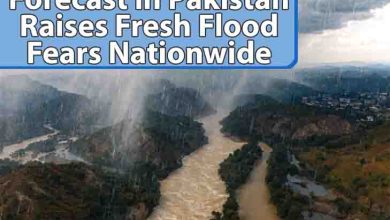
The National Disaster Management Authority has warned of more rain, thunderstorms, hailstorms, and strong winds across parts of Punjab, Sindh, Balochistan, and Khyber Pakhtunkhwa over the next 12 to 24 hours. Snowfall is also expected in mountainous areas of Gilgit-Baltistan and Azad Kashmir. (Arab News PK)
Authorities have warned of possible urban flooding in Peshawar and nearby districts, while landslides may occur in northern regions, potentially disrupting travel routes. (Arab News PK)
Climate Change Driving Extreme Weather
Pakistan remains one of the countries most vulnerable to climate change and has experienced increasingly erratic weather patterns in recent years.
Extreme rainfall, floods, heatwaves, and storms have become more common, exposing weaknesses in infrastructure and disaster preparedness. The country is still recovering from the devastating 2022 floods, which killed more than 1,700 people and affected over 33 million people. Last year’s monsoon floods also caused more than 900 deaths nationwide. (Arab News PK)
Reddit users in Karachi also expressed frustration over repeated flooding, poor drainage, and weak infrastructure, with many saying even short rain spells quickly become city-wide emergencies. (Reddit)
Conclusion
The record-breaking rainfall in Karachi highlights the growing intensity of extreme weather events in Pakistan.
With more rain expected and the death toll continuing to rise, authorities are urging citizens to remain cautious, avoid unnecessary travel, and follow official weather advisories.