
Inspiring Climate Breakthrough: 5 Powerful Impacts of Akhuwat and WWF-Pakistan MoU
The Akhuwat and WWF-Pakistan MoU aims to advance climate resilience, green livelihoods, forest restoration, and sustainable development across Pakistan.
The Akhuwat and WWF-Pakistan MoU represents a transformative step toward climate resilience and sustainable development in Pakistan. In a country ranked among the most climate-vulnerable nations in the world, this partnership combines grassroots empowerment with conservation expertise to create lasting environmental and economic impact.
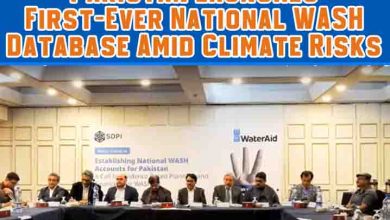
The agreement was signed between Akhuwat and WWF-Pakistan, uniting two powerful institutions with complementary strengths.
This collaboration aims to translate climate action into tangible community benefits.
Why the Akhuwat and WWF-Pakistan MoU Matters
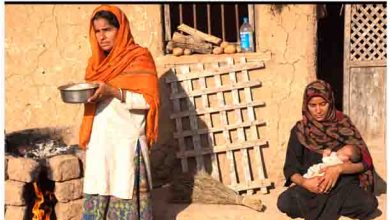
Pakistan faces severe climate threats, including floods, heatwaves, glacial melt, and droughts. According to the World Bank, climate change could significantly affect agricultural productivity and rural livelihoods in South Asia.
The Akhuwat and WWF-Pakistan MoU responds directly to these risks.
By combining Akhuwat’s vast community network and Islamic microfinance model with WWF-Pakistan’s environmental science and conservation programs, the partnership creates a multidimensional climate solution.
Climate-Smart Model Villages Under the Akhuwat and WWF-Pakistan MoU
A cornerstone of the Akhuwat and WWF-Pakistan MoU is the development of Climate-Smart Model Villages.
These villages will integrate:
- Climate-resilient agriculture
- Renewable energy solutions
- Water conservation systems
- Sustainable waste management
- Community-based disaster preparedness
The goal is to create scalable rural models that strengthen food security while reducing environmental degradation.
Such villages could serve as prototypes for nationwide replication.
Green Livelihoods Through Islamic Microfinance
The Akhuwat and WWF-Pakistan MoU uniquely blends financial inclusion with environmental protection.
Akhuwat’s interest-free microfinance will support:
- Solar installation entrepreneurs
- Organic farming enterprises
- Eco-friendly small businesses
- Sustainable livestock practices
This approach ensures that climate resilience becomes economically viable.
Empowering communities financially strengthens their ability to adapt to environmental shocks.
Forest Restoration and Biodiversity Protection
WWF-Pakistan brings decades of conservation expertise to the Akhuwat and WWF-Pakistan MoU.
Key environmental interventions include:
- Community-led tree plantations
- Native species restoration
- Degraded land rehabilitation
- Watershed management programs
These initiatives contribute to carbon sequestration and improved ecosystem stability.
For global conservation standards, refer to the International Union for Conservation of Nature (Link: https://www.iucn.org).
Environmental Education and Youth Leadership
Another pillar of the Akhuwat and WWF-Pakistan MoU is environmental education.
Programs will:
- Raise awareness about climate risks
- Promote sustainable consumption
- Encourage youth climate leadership
- Integrate environmental modules into community programs
Youth engagement ensures that sustainability becomes intergenerational.
Long-Term Climate Resilience Strategy
The Akhuwat and WWF-Pakistan MoU is not limited to short-term projects.
It is designed to:
- Build adaptive capacity in rural areas
- Strengthen climate governance at the grassroots level
- Align with Pakistan’s national climate commitments
- Enhance disaster preparedness frameworks
Pakistan’s climate adaptation goals align with global frameworks outlined by the United Nations (Link: https://www.un.org).
By embedding sustainability into financial systems and community institutions, the partnership addresses root vulnerabilities.
National Impact and Policy Significance
The Akhuwat and WWF-Pakistan MoU could influence national development policy.
It demonstrates how:
- Civil society organisations can lead climate action
- Faith-based finance models can support green transitions
- Conservation and economic empowerment can operate together
This model may attract donor funding and private-sector collaboration.
If scaled effectively, it could redefine how climate resilience programs are implemented in Pakistan.
The Road Ahead
The Akhuwat and WWF-Pakistan MoU signals a hopeful shift in Pakistan’s climate landscape.
As environmental pressures intensify, collaboration becomes essential.
By aligning grassroots finance with conservation science, this partnership aims to deliver:
- Stronger rural economies
- Healthier ecosystems
- Reduced climate vulnerability
- Sustainable long-term development
The success of this initiative will depend on transparent implementation, community ownership, and measurable outcomes.
If effectively executed, it could become a landmark model for climate resilience across South Asia.
Conclusion
The Akhuwat and WWF-Pakistan MoU is more than a formal agreement—it is a strategic alliance for climate justice and sustainable growth.
In a nation facing escalating environmental challenges, such partnerships offer practical hope.
By merging social finance with ecological stewardship, the collaboration sets a powerful precedent for community-driven climate action in Pakistan.