
AI and Climate Change Threaten Global Stability: Ahsan Iqbal Calls for Urgent Action
AI and climate change are reshaping the world at an unprecedented pace, says Ahsan Iqbal. Discover why Pakistan must act now to keep up with global transformations.
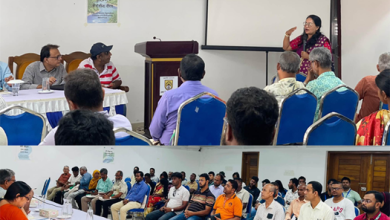
AI and climate change are no longer abstract concepts for policymakers — they are urgent realities that demand immediate global and national response. In a powerful address at the 6th Vice Chancellors Forum of Islamic Countries in Morocco, Federal Minister for Planning, Development, and Special Initiatives, Ahsan Iqbal, highlighted how these forces are reshaping every aspect of our lives — from the environment to education, economics to ethics.
Ahsan Iqbal’s Address in Morocco
In his keynote speech, Ahsan Iqbal emphasized that AI and climate change are not just challenges — they are transformative global shifts. He urged Islamic countries to prioritize scientific innovation, sustainability, and technological advancement before it becomes too late.
“The pace of change is exponential. Those who do not act now will be left behind,” said Iqbal.
Iqbal stressed that while artificial intelligence can revolutionize healthcare, agriculture, and governance, it also poses serious ethical and employment challenges. Similarly, climate change is exacerbating natural disasters, food insecurity, and water scarcity, especially in vulnerable nations like Pakistan.
AI and Climate Change: Twin Challenges
Artificial Intelligence — A Double-Edged Sword
Artificial Intelligence is expected to contribute $15.7 trillion to the global economy by 2030 (PwC). But without proper training and ethics, it may deepen inequality and unemployment in developing nations. Iqbal cautioned that nations must not just import AI but build indigenous capacities to remain sovereign and secure.
Climate Change — A Rising Emergency
On the climate front, Pakistan ranks among the top 10 most vulnerable countries globally. From glacial lake outburst floods (GLOFs) in Gilgit-Baltistan to deadly heatwaves in Karachi, climate events have already claimed thousands of lives. The World Bank warns that if current trends continue, Pakistan’s GDP could shrink by 6.5% by 2050 due to climate-related disasters.
Iqbal stated that confronting these dual threats — AI and climate change — requires collaborative research, data sharing, and education reform.
Investing in Human Capital
A central theme in Iqbal’s address was the critical need to invest in human capital. Citing the example of countries like South Korea and Malaysia, he said:
“Nations that invest in their people become leaders; those that ignore this suffer dependency and decline.”
He criticized a “reactive mindset” in parts of the Muslim world and encouraged governments to nurture innovation ecosystems through research universities, digital infrastructure, and entrepreneurial training.
Pakistan’s Educational Reforms
Iqbal shared Pakistan’s ongoing efforts to modernize its education system, aligned with Sustainable Development Goal 4 (Quality Education). Key initiatives include:
- Increased funding for research institutions
- Curriculum reforms that emphasize critical thinking and STEM skills
- University-industry linkages to boost employability
- National programs focused on climate education and digital literacy
Iqbal praised the Higher Education Commission (HEC) and its partnerships with international universities for advancing these reforms.
“The youth of Pakistan are our most valuable asset. We are preparing them not just to find jobs — but to create them,” he affirmed.
Faith, Science, and Responsibility
Ahsan Iqbal drew inspiration from the Holy Qur’an, emphasizing that Islam encourages knowledge, inquiry, and reflection on the universe. He highlighted how the Qur’an prompts believers to contemplate the signs in the heavens and the earth, inspiring scientific curiosity and climate consciousness.
Iqbal called for a renewed understanding of Islamic teachings that encourage environmental stewardship, innovation, and collective welfare. He advocated for science diplomacy among Muslim nations, especially in shared challenges like climate change and water security.
International Recognition for Ahsan Iqbal
At the close of the forum, Ahsan Iqbal was honored with a Lifetime Achievement Award in recognition of his dedicated service to education, research, and planning in the Muslim world.
Organizers praised his visionary leadership in launching initiatives such as:
- Vision 2025, which emphasizes knowledge economy and sustainable development
- Pak-China Higher Education Cooperation
- National Center for Artificial Intelligence (NCAI)
The award signifies growing global appreciation for Pakistan’s role in fostering dialogue around AI and climate change.
Conclusion
The message from Ahsan Iqbal in Morocco is crystal clear: AI and climate change are defining challenges of our era, but they also present unmatched opportunities — for those who are prepared.
Pakistan’s steps toward education reform, innovation, and sustainable planning are commendable, but the race is far from over. Continued investment in human capital, climate resilience, and AI ethics will determine whether the nation thrives or falls behind.
For Islamic countries and the global South, the time to act is now — and the leadership to act must be visionary, not reactionary.
References and Further Reading
- World Bank: Pakistan Climate Risk Report
- PwC: Global AI Economic Impact
- HEC Pakistan: Reforms and Programs
- Vision 2025 Overview – Government of Pakistan