

Climate Change Is a Living Issue: 7 Milestones Pakistan Must Hit After COP30
Pakistan’s leaders warn that climate change is a living issue demanding urgent action ahead of COP31. This detailed report highlights key post-COP30 milestones, provincial reforms, and national climate priorities.
Pakistan’s top policymakers have warned that climate change is a living issue that now demands urgent, coordinated national actions before the next UN climate summit. Speaking at a post-COP30 seminar titled “Beyond Belém: Pakistan’s Next Climate Action Milestones”, held at the Sustainable Development Policy Institute (SDPI) in Islamabad, senior officials highlighted failures, opportunities, and the need for stronger institutional capacity.
Pakistan’s Urgent Climate Warning
At the seminar, Syed Naveed Qamar, Chairman of the National Assembly Committee on Finance and Revenue, stressed that climate change is a living issue, not just an academic debate. The next generation of civil servants, he said, would face its impacts directly — from deadly heatwaves to disrupted food systems.
His message was direct, realistic, and cautionary: Pakistan’s climate challenges will intensify if the country does not improve preparation before COP31 in Türkiye.
Why Climate Change Is a Living Issue
When Qamar stated that climate change is a living issue, he meant that its impacts are already disrupting daily life:
- unpredictable monsoons
- declining water security
- rising food prices
- dangerous floods
- unbearable heat
The statement aligns with global findings such as the UNEP Emissions Gap Report, which shows the world drifting far from the 1.5°C goal.
External resource :
UNEP Emissions Gap Report
Naveed Qamar Calls for Stronger Homework
Qamar criticized Pakistan’s past performance in climate negotiations, noting the failure to translate global goodwill into actual projects. Although billions were pledged at various conferences, Pakistan secured only one major project: the Sindh Housing Initiative, which succeeded because its homework was complete and the project was monitored via satellite.
He emphasized:
- better bureaucracy
- stronger institutions
- clear provincial roles
- effective coordination across ministries
He warned that developed countries enriched through fossil fuels now impose restrictions that developing nations cannot simply follow.
Losses After the 2025 Floods
Qamar highlighted the staggering losses after the 2025 floods, calling them a grim reminder that climate change is a living issue.
Destruction of homes, livestock, farms, and infrastructure exposed the gaps in preparedness.
He urged civil servants to take ownership of climate implementation.
Dr Shezra Mansab: Global Commitments Are Disappointing
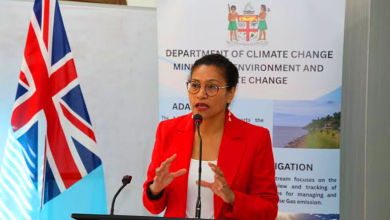
Minister of State for Climate Change Dr Shezra Mansab Khan Kharal said that COP outcomes have become increasingly vague and disappointing. Even though Pakistan helped shape the Loss and Damage Fund, the country “received nothing substantial.”
Yet, she insisted Pakistan must keep pushing because climate change gives no other choice.
Key points she highlighted:
- Pakistan’s new NDC 3.0 is stronger and more strategic
- Pakistan presented its Climate Prosperity Plan
- The rooftop solar revolution is a major national win
- Pakistan is now a poster nation for renewable adoption
The Climate Prosperity Plan: A Growth Model
Pakistan’s Climate Prosperity Plan (CPP), presented in Belém, links:
- resilience
- green growth
- sustainable development
The CPP strengthens Pakistan’s position in global climate conversations.
Provincial Climate Leadership Gaining Pace
Dr Mansab noted that provinces are stepping up with:
- green energy plans
- tree plantation drives
- water conservation projects
- rooftop solar uptake
- disaster management reforms
This bottom-up movement is crucial because climate change is a living issue affecting every district.
SDPI’s Warning on Food Security
SDPI Executive Director Dr Abid Suleri warned that ministries dealing with food security and agriculture are undervalued — even though they will be the most important ministries of the future.
He said warming temperatures threaten:
- crop yields
- livestock survival
- supply chains
- factory productivity
These issues make climate change an economic threat, not just an environmental one.
Heatwaves and National Stress
Suleri also highlighted a less-discussed consequence:
heatwaves are affecting mental health, causing mood swings and social tension.
Service-sector staff, public offices, and street workers are experiencing anger, impatience, and psychological strain. This is more proof that climate change is a living issue shaping everyday behaviour.
The Global South’s Diplomatic Win at COP30
Secretary of Climate Change Aisha Humera Chaudhary called COP30 a “diplomatic win” for the Global South. Despite Brazil’s logistical problems, Brazil’s Murito Concept facilitated meaningful dialogue between developed and developing nations.
She stressed that Pakistan must keep building alliances and strengthening its negotiation capacity for COP31.
Why COP31 Must Become the Water and Debt COP
SDPI Deputy Executive Director Dr Shafqat Munir Ahmed said Pakistan should champion making COP31 the:
Water and Debt COP
He highlighted:
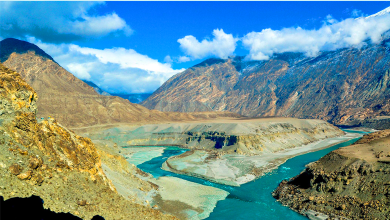
- the Himalayan cryosphere fuels Pakistan’s rivers
- melting glaciers threaten national survival
- climate disasters deepen debt
- countries like Pakistan need a debt-protection mechanism
He argued that Pakistan should push for a global mechanism to shield vulnerable economies from climate-induced financial collapse.
Conclusion
Pakistan’s leadership agrees on one message:
Climate change is a living issue that demands immediate, coordinated action.
As COP31 approaches, Pakistan must focus on:
- stronger institutional homework
- provincial empowerment
- renewable energy expansion
- food system resilience
- global climate diplomacy
Only a whole-of-nation approach can help Pakistan navigate the rising climate threat.