

Heat, Floods Push Pakistan Farmers to Brink of Collapse
Climate change is devastating Pakistan’s agriculture, fisheries, and livestock, pushing farmers and fishers to the brink while threatening national food security.
Climate change is no longer a distant threat for Pakistan—it is a present-day crisis dismantling the country’s food systems, livelihoods, and ecological balance.
From shrinking rivers and collapsing fisheries to dying livestock and disappearing bees, the climate crisis is pushing farmers and fishers to the edge of survival.
A Vanishing Livelihood Along the Indus
Standing on the banks of the Indus River in Muzaffargarh, 35-year-old Muhammad Asif reflects on a life that is rapidly disappearing.
“Earlier we used to collect fish in maunds; now it is in kilograms,” says Asif, a member of the Mallah fishing community whose family has depended on the river for generations.
For centuries, the Indus has sustained civilizations, including the historic Indus Valley Civilization, providing water, food, and livelihoods.
Today, however, changing climate patterns have altered river flows, reduced fish populations, and forced many families to abandon traditional livelihoods.
Climate Change and Pakistan’s Rural Economy
Pakistan’s vulnerability to climate change is particularly severe due to its economic dependence on agriculture.
According to official estimates, nearly 60 percent of the population lives in rural areas, while agriculture contributes around 21.9 percent to GDP.
Reports such as the Pakistan Economic Survey 2024–25 and assessments by the World Bank identify Pakistan as one of the most climate-vulnerable countries in the world.
Climate change is no longer just an environmental issue—it is an existential threat to food security and economic stability.
Crop Failures and Economic Losses
The impact of climate change on Pakistan’s agriculture is already visible.
During the 2024–25 fiscal year:
- Wheat production declined by 8.9% (28.98 million tonnes)
- Cotton output dropped by 30% due to erratic monsoon rains
- Heat stress and dry spells damaged major crops
According to the World Bank, climate shocks could reduce Pakistan’s GDP by 18–20% by 2050 if adaptation measures are not implemented.
These losses are not just numbers—they represent declining incomes, rising poverty, and growing food insecurity.
Rising Food Insecurity Across Pakistan
The climate crisis is also disrupting Pakistan’s food supply chain.
According to the Food and Agriculture Organization, frequent disasters—including the devastating 2025 Pakistan floods—have caused massive agricultural losses.
- Estimated damage: Rs 430 billion
- Around 10 million people facing acute food insecurity
- Flour prices increased by 50–90%
These trends highlight how climate change is directly affecting food availability and affordability across the country.
Melting Glaciers and Water Crisis
Pakistan’s long-term water security is under serious threat due to rapidly melting glaciers.
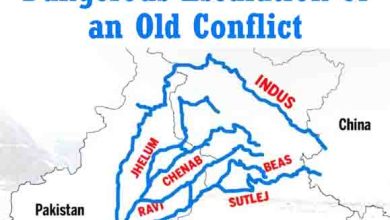
The Indus Basin, which supports nearly 90 percent of the country’s food production, depends heavily on glacier-fed water systems.
Accelerated glacier melt may initially increase water flows but will ultimately lead to severe water shortages in the future.
This creates a dangerous cycle of floods followed by droughts, further destabilising agriculture and rural livelihoods.
Collapse of Marine Ecosystems
Along the Arabian Sea and Makran coast, climate change is disrupting marine ecosystems.
Marine biologist Dr Imtiaz Kashani highlights how unpredictable rainfall patterns are affecting ocean salinity and temperature.
This disruption impacts phytoplankton—the foundation of the marine food chain.
“Fewer phytoplankton means less oxygen in the water and a broken food chain,” he explains.
The result is declining fish populations and shrinking incomes for coastal communities.
If current trends continue, only a few resilient fish species will survive, drastically reducing marine biodiversity.
Livestock Crisis in Rural Communities
The livestock sector, contributing around 14.6 percent to GDP, is also under pressure.
Extreme heat, water scarcity, and disease outbreaks are causing widespread livestock deaths.
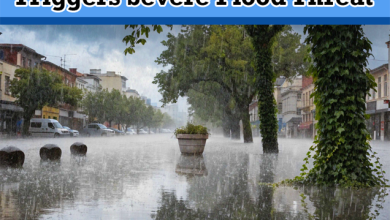
The 2022 Pakistan floods alone killed over one million animals, while survivors continue to suffer from heat stress and fodder shortages.
Farmers report declining milk production, rising feed costs, and increasing disease outbreaks.
For many rural families, livestock serves as a financial safety net—its loss pushes households deeper into poverty.
Disappearing Bees and Food Chain Risks
Climate change is even affecting pollinators, which are essential for agriculture.
Research by the Pakistan Agricultural Research Council and the Honey Bee Research Institute shows:
- Honey production has dropped by 15% since 2022
- Honey varieties reduced from 22 to 11
The decline is linked to the loss of the Ziziphus mauritiana, a key plant for bees.
Rising temperatures and deforestation are shortening flowering seasons, leaving bees without food and shelter.
Without pollinators, crop yields could decline further, worsening food insecurity.
Climate-Smart Solutions and Policy Response
Experts emphasise the need for urgent adaptation measures.
Recommended solutions include:
- Climate-smart agriculture (heat-resistant seeds, drip irrigation)
- Restoration initiatives like the Living Indus Initiative
- Weather-indexed crop insurance
- Sustainable water management
- Mangrove restoration and ecosystem protection
Government programmes such as the Kisan Package aim to support farmers through subsidies and financial assistance.
Meanwhile, insurance models using satellite data can provide quick compensation during extreme weather events.
These measures represent a shift from reactive disaster response to proactive climate resilience.
Conclusion
Pakistan’s climate crisis is no longer about isolated disasters—it is a systemic breakdown affecting every layer of the food chain.
From rivers and oceans to farms and forests, the impacts are interconnected and intensifying.
Each lost harvest, dying animal, and disappearing bee signals a deeper structural crisis.
While reversing climate change entirely may not be possible, slowing its pace and adapting to its impacts remains critical.
With the right policies, investments, and community action, Pakistan can still protect its food systems and build resilience against an increasingly uncertain future.