
Heartbreaking Toll: Pakistan’s Deadly Floods Expose Climate Crisis Deepened by Global Warming
A new study confirms that Pakistan's deadly floods were intensified by human-caused climate change, with monsoon rains up to 15% heavier. Find out how global warming is worsening disasters.
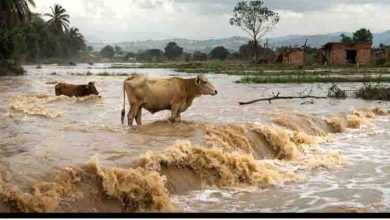
Pakistan’s deadly floods have once again captured global attention—claiming hundreds of lives and devastating communities across the country. According to a new study by World Weather Attribution (WWA), the catastrophic rainfall and subsequent floods between June 26 and August 3, 2025, were worsened by human-induced global warming.
This isn’t a one-off disaster. It’s part of a disturbing trend of climate-fueled extreme weather events ravaging the region, particularly during the monsoon season.
Climate Change Fuels Heavier Monsoon Rains
The WWA study, released on Thursday, analyzed rainfall patterns across Pakistan from June 24 to July 23. The findings were alarming: rainfall was 10–15% heavier due to global warming.
“Every tenth of a degree of warming will lead to heavier monsoon rainfall,” said Mariam Zachariah, lead author of the WWA study and researcher at Imperial College London.
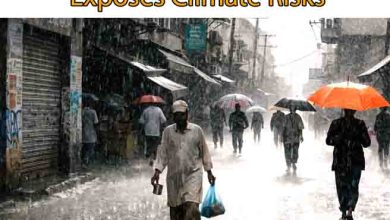
According to Pakistan’s Meteorological Department, the country received 36% more rain in July 2025 compared to the same month last year. The increased moisture in the atmosphere, driven by warmer temperatures, is a direct consequence of global climate change.
Global warming, scientists say, supercharges storms and extends their duration—turning seasonal rains into lethal floods.
Devastating Human Toll and Structural Vulnerability
At least 300 people, including 150 children, lost their lives during the floods, reported Pakistan’s National Disaster Management Authority (NDMA). The primary cause of death? Collapsed buildings, a recurring nightmare in areas prone to urban flooding.
Alt text: Pakistan’s deadly floods destroy homes and infrastructure.
Homes built from fragile materials, particularly in unplanned settlements, were the first to crumble under pressure. Entire neighborhoods were submerged. Roads vanished. Livelihoods were erased overnight.
This deadly pattern reflects a growing climate vulnerability in one of the world’s most disaster-prone countries.
Urban Fragility and Policy Gaps
Pakistan’s rapid urbanization is a double-edged sword. While it brings people closer to economic hubs, it also drives unregulated expansion in flood-prone zones.
“Half of Pakistan’s urban population lives in fragile settlements where floods collapse homes and cost lives,” stated Maja Vahlberg of the Red Cross Red Crescent Climate Centre, co-author of the WWA report.
Urban policy needs urgent revision. Solutions must include:
-
Building flood-resilient housing
-
Enforcing zoning regulations
-
Preventing construction in floodplains
-
Investing in early warning systems
Unfortunately, many local governments lack capacity or resources to implement these preventive measures.
Warnings from Scientists and Global Agencies
Scientists from WWA and other global agencies have been ringing alarm bells since Pakistan’s historic 2022 floods, which killed over 1,700 people and displaced millions.
This year’s report reinforces those concerns: Climate change is no longer a future risk—it’s a present disaster.
“The intensity of monsoons has increased and will continue to intensify unless immediate climate action is taken,” warns the report.
The Intergovernmental Panel on Climate Change (IPCC) also forecasts a rise in extreme rainfall events in South Asia, underscoring the need for adaptation and mitigation strategies.
Regional Impacts Across South Asia
This climate-induced devastation isn’t limited to Pakistan. South Asia as a whole is grappling with relentless monsoon rains.
Recent Events:
-
In northern India, floods and landslides killed at least four people and left hundreds missing.
-
In Nepal, a glacial lake outburst triggered floods that washed away a bridge linking China and Nepal, along with several hydropower dams.
The Himalayan region is particularly vulnerable due to melting glaciers, unstable slopes, and high rainfall intensity.
Pakistan shares this ecological fragility, but its population density, urban sprawl, and weak infrastructure make the consequences even more lethal.
Conclusion: Time to Act on Climate Resilience
Pakistan’s deadly floods are a tragic reminder that the climate crisis is now. The WWA study not only confirms the role of human-caused climate change in worsening the monsoon but also highlights the urgent need for adaptation.
Action Points:
-
Strengthen disaster response systems
-
Promote climate-resilient infrastructure
-
Educate communities in high-risk zones
-
Demand climate justice and global support
Pakistan contributes less than 1% to global carbon emissions, yet it pays one of the highest prices in terms of lives lost, homes destroyed, and futures erased.
As the world races toward climate tipping points, Pakistan’s suffering must serve as a wake-up call.