
Deadly Monsoon Flooding in Pakistan: Climate Change Turns Rainfall from Lifeline to Looming Catastrophe
Monsoon flooding has killed over 700 in Pakistan as climate change turns seasonal rains from blessing to catastrophe. Learn how rising risks threaten millions.
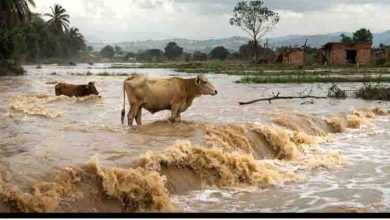
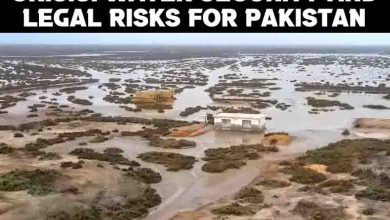
Monsoon flooding in Pakistan has once again become a deadly crisis. Since July 2025, torrential rains and overflowing rivers have killed more than 700 people, leaving towns submerged, crops destroyed, and millions vulnerable. Karachi, the country’s largest city and economic hub, saw its streets transformed into rivers, halting transport and commerce.
This devastation is a reminder of the catastrophic 2022 floods, when one-third of Pakistan was under water, displacing more than 8 million people. The difference in 2025 is that climate change has accelerated the scale, frequency, and unpredictability of these disasters, pushing Pakistan into a state of permanent risk.
Why Pakistan Faces Extreme Monsoon Floods
The South Asian monsoon has always been vital for agriculture. Farmers depend on its rainfall to irrigate fields and recharge reservoirs. Yet climate change is transforming it into a destructive force.
Rising global temperatures fuel stronger evaporation, which loads the atmosphere with moisture. When this water vapor condenses, the result is intense downpours, overwhelming rivers and drainage systems.
📌 According to the Intergovernmental Panel on Climate Change (IPCC), South Asia is among the world’s most climate-vulnerable regions. Extreme rainfall events are projected to increase by 20–30% in the coming decades. Source: IPCC
Glaciers, Melting Ice, and Rising Dangers
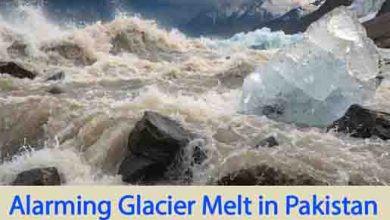
Pakistan’s northern mountains host some of the largest glaciers outside the polar regions. As global warming accelerates, these glaciers are melting at alarming rates.
On August 22, 2025, a glacial lake outburst flood (GLOF) struck Gilgit-Baltistan. The bursting of the natural dam swept away homes, destroyed farmland, and forced the evacuation of dozens of schools.
🌍 The Himalayan cryosphere plays a critical role in regulating Earth’s temperature. With its reflective snow and ice cover shrinking, warming accelerates further, creating a vicious cycle.
In July 2025, Chilas recorded temperatures of 48.5°C (119°F), one of the hottest readings in the world that month. Such extreme heat hastens glacier melt, swelling rivers like the Indus and amplifying flooding risks in low-lying floodplains.
Heatwaves, Deforestation, and Human Settlements
Climate is only part of the equation. Human activities have multiplied flood risks:
-
Deforestation: Between 2001 and 2024, Pakistan lost about 8% of its tree cover. Forests that once absorbed water and prevented mudslides are vanishing.
-
Settlements in Floodplains: Nearly 96 million people live along riverbanks or on dried riverbeds, where risk is highest.
-
Weak Infrastructure: Outdated drainage, unchecked urban growth, and poor zoning laws leave cities like Karachi and Lahore unprepared.
These pressures transform natural rainfall into disasters, with lives and livelihoods at stake every season.
Comparisons to the 2022 Flood Disaster
The 2022 floods killed nearly 1,700 people, displaced millions, and caused $30 billion in damages. Entire villages were erased, and agricultural output collapsed.
Fast forward to 2025, and despite awareness of those lessons, the preparedness gap persists. The 2025 floods already bear eerie similarities, with Karachi once again paralyzed, rural communities underwater, and international aid trickling in far too slowly.
The Preparedness Gap: Pakistan’s Disaster Management
Despite repeated disasters, Pakistan ranks 150th out of 192 countries in readiness to handle climate impacts, according to the Notre Dame Global Adaptation Initiative. Source
The National Disaster Risk Reduction Strategy (2025–2030) highlights improvements, but major weaknesses remain:
-
Lack of early warning systems
-
Poor institutional coordination
-
Insufficient funding
-
Political instability affecting emergency responses
Without urgent reforms, Pakistan risks facing annual humanitarian catastrophes every monsoon season.
Pathways Toward Safer Futures
Experts recommend multiple strategies:
-
Stronger Infrastructure – Flood-resistant housing, reinforced embankments, and modern drainage systems.
-
Expanded Early Warning Systems – Using AI-driven forecasts to alert vulnerable communities.
-
Education & Awareness – Training communities in evacuation drills and risk reduction.
-
Nature-Based Solutions – Reforestation, wetlands restoration, and sustainable land management.
These solutions demand political will and international financing.
Global Action and Local Responsibility
Pakistan contributes less than 1% of global greenhouse gas emissions, yet it is among the most vulnerable. The principle of climate justice requires wealthier nations to provide financing, technology transfer, and capacity building.
Meanwhile, Pakistan must strengthen its governance, enforce building codes, and integrate climate resilience into every development project.
📌 For context, see how UNDP works on regional adaptation across South Asia.
For readers inside Pakistan, explore our coverage of Karachi’s water crisis to understand urban climate vulnerabilities.
Conclusion: A Turning Point for Pakistan
The 2025 monsoon flooding in Pakistan is a stark warning. What was once a seasonal blessing has become a looming catastrophe.
If unchecked, these floods will worsen every year—threatening food security, displacing millions, and straining the fragile economy. But with smarter planning, stronger institutions, and global solidarity, Pakistan can turn the tide from tragedy to resilience.