

Deadly Extreme Weather Linked to Child Stunting in Pakistan, Study Warns
A new study reveals that extreme weather linked to child stunting in Pakistan is worsening malnutrition in infants. Learn how heatwaves, heavy rains, and droughts are endangering child health and what experts recommend.
Extreme Weather Linked to Child Stunting in Pakistan is not just a headline — it’s a grim reality confirmed by scientific evidence.
A groundbreaking study published in The American Journal of Clinical Nutrition has revealed that Pakistan’s worsening climate — from searing heatwaves to catastrophic floods — is directly impacting the health of its youngest citizens.
Pakistan already ranks among the most climate-vulnerable countries in the world. Now, researchers have uncovered a disturbing link between extreme weather events and malnutrition in children under two years old.
Groundbreaking Findings from Pakistan’s Nutrition Study
The study analyzed geo-tagged data from the 2011 and 2018 National Nutrition Surveys (NNS), covering 29,887 children across 140 districts.
Researchers compared dietary intake, food security, and meteorological data — including temperature, water vapor, and soil moisture — to measure how environmental stressors affect Length-for-Age Z scores (LAZ) and Weight-for-Length Z scores (WLZ), the global indicators of stunting and wasting.
“Extreme heat and heavy rains are two factors that cannot be ignored,” said Dr. Zulfiqar Bhutta, a leading global expert on maternal and child health.
According to the data, even a 1°C rise in mean temperature corresponded to a measurable decline in child growth scores. Similarly, excessive rainfall or drought disrupted food supply chains and increased disease risk, worsening malnutrition rates.
How Heatwaves, Floods, and Droughts Affect Child Growth
The effects of extreme weather on child health go far beyond hunger.
Heatwaves can impair metabolism and dehydration, particularly in infants under two years of age. Prolonged droughts reduce agricultural yields, leading to food insecurity and price inflation, while floods contaminate water sources, spreading infectious diseases.
A 2024 study found that children exposed to high temperatures during infancy experienced lasting developmental and metabolic challenges.
These findings echo similar research in Ethiopia (2020), where pregnant women exposed to heat during the first and third trimesters were more likely to have severely stunted children.
Balochistan and Sindh: The Most Affected Provinces
The study identified Balochistan and Sindh as Pakistan’s most climate-stressed regions, suffering from chronic drought and high average temperatures.
These provinces also report the highest prevalence of child stunting — a devastating indicator of long-term nutritional deprivation.
Local experts warn that rural communities in these areas lack the infrastructure to cope with rising heat, prolonged dry spells, and flash floods.
Agricultural losses, combined with unsafe drinking water and poor healthcare access, create a vicious cycle of poverty and undernutrition.
Expert Insights: Dr. Zulfiqar Bhutta Speaks Out
Dr. Zulfiqar Bhutta emphasized that climate change must be integrated into Pakistan’s national health and nutrition strategies.
“Climate stressors such as heatwaves, droughts, and floods are now inseparable from the causes of malnutrition. Addressing them requires cross-sector collaboration — from agriculture to public health,” he said in an interview with The Express Tribune.
He added that policymakers must recognize extreme weather as a silent threat that exacerbates existing inequalities, particularly among low-income rural families.
Pakistan’s Record Rainfall in 2025: A Warning Sign
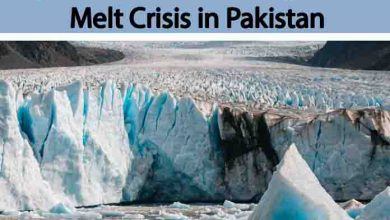
In 2025, Pakistan experienced record-breaking rains, glacier melting, and deadly landslides.
According to Punjab’s Provincial Disaster Management Authority (PDMA) spokesperson Chaudhry Mazhar, the monsoon season began early this year — on June 25, nearly three weeks earlier than average.
“This year’s early rains were exceptionally intense, continuing until mid-September,” Mazhar confirmed.
These extreme rainfall events are part of a wider climatic shift, similar to the 2022 floods, which killed over 1,400 people and caused $30 billion in damages, as reported by Nature.
Both the 2022 and 2025 climate events demonstrate that Pakistan’s weather extremes are intensifying, amplifying threats to food security and child health.
Global Context: Similar Studies and Climate Trends
The findings from Pakistan align with global research on the intersection of climate change and child nutrition.
The World Health Organization (WHO) and UNICEF have repeatedly warned that climate-driven malnutrition could reverse decades of progress in child survival.
Studies in Sub-Saharan Africa, Bangladesh, and India also link rising temperatures and erratic rainfall with increased child stunting.
This underscores the urgent need for climate-resilient health systems and nutrition programs tailored to vulnerable regions.
Integrating Climate Action into Nutrition Policy
Experts recommend several urgent steps to combat extreme weather linked to child stunting in Pakistan:
- Expand early warning systems for heatwaves and floods.
- Strengthen agricultural resilience through drought-resistant crops.
- Improve maternal nutrition programs with climate-sensitive planning.
- Enhance water, sanitation, and hygiene (WASH) infrastructure.
- Integrate climate data into public health surveillance systems.
Institutions like the Aga Khan University’s Institute for Global Health & Development and the Centre for Global Child Health (Toronto) — which co-authored the study — stress that cross-sector coordination is the key to saving lives.
Conclusion: A Call for Urgent Climate-Health Action
The evidence is undeniable: Extreme Weather Linked to Child Stunting in Pakistan reveals a profound crisis that intertwines climate change, health, and poverty.
Unless urgent measures are taken, rising temperatures and erratic rainfall will continue to undermine child growth, increase disease risks, and threaten food security.
Pakistan must prioritize climate adaptation within its national nutrition and health frameworks.
Investing in sustainable agriculture, maternal health, and climate-resilient infrastructure will determine whether the country can safeguard its next generation.