5 Urgent Measures Needed to Address Rawal Lake Water Contamination in Islamabad
Rawal Lake water contamination raises serious public health concerns as Pakistan’s climate minister urges rapid action, sewerage treatment plants, and coordinated governance reforms.
Rawal Lake water contamination has emerged as a critical environmental and public health issue in Pakistan’s capital region, prompting urgent intervention from federal authorities. The lake, a primary drinking water source for Islamabad and Rawalpindi, is increasingly threatened by untreated sewage, unchecked urban expansion, and weak enforcement of environmental regulations.
Experts warn that continued neglect could push the reservoir beyond recovery, placing millions at risk.
High-Level Meeting Chaired by Climate Minister
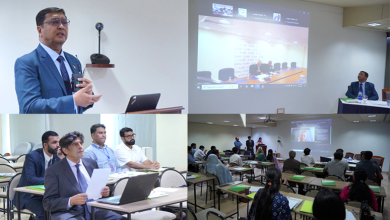
On Thursday, Federal Minister for Climate Change and Environmental Coordination Dr Musadik Malik chaired a high-level meeting to review the worsening situation of Rawal Lake water contamination and to direct immediate remedial measures.
The meeting brought together senior officials, including:
- Secretary Climate Change Aisha Moriani
- Secretary Ministry of Water Resources Syed Ali Murtaza
- Director General Environmental Protection Agency (EPA)
- Director General Rawalpindi Development Authority (RDA)
- Managing Director WASA
The session focused on identifying pollution sources and accelerating infrastructure solutions.
Why Rawal Lake Matters for Islamabad
Rawal Lake supplies drinking water to nearly two million residents across Islamabad and Rawalpindi. Beyond water provision, it also supports:
- Urban climate resilience
- Local biodiversity
- Recreational and tourism activities
Unchecked Rawal Lake water contamination threatens to undermine all three, increasing treatment costs and health risks.
External resource: Pakistan Council of Research in Water Resources: https://pcrwr.gov.pk
Main Sources of Rawal Lake Water Contamination
Officials identified three major inflow streams responsible for deteriorating water quality:
Korang Stream
Carries untreated sewage from densely populated settlements.
Lake View Stream
Polluted by commercial waste and illegal housing developments.
Jinnah Stream
Receives mixed domestic and municipal effluents.
All three inflows contribute significantly to Rawal Lake water contamination, particularly during low-flow seasons.
Proposed Sewerage Treatment Plants (STPs)
To address the crisis, authorities confirmed plans to construct three sewerage treatment plants at:
- Simli Road
- Bari Imam
- Shadrah
These STPs aim to intercept wastewater before it enters Rawal Lake, marking a critical step in reversing Rawal Lake water contamination.
However, experts caution that delays in funding, land acquisition, and coordination could slow progress.
External reference: UN Water on wastewater treatment: https://www.unwater.org
Role of EPA and WASA in Water Quality Testing
Dr Malik directed EPA and WASA to conduct comprehensive water quality testing at multiple inflow and outflow points.
Key parameters to be tested include:
- Biological contamination
- Chemical pollutants
- Heavy metals
- Nutrient loading
He stressed that evidence-based interventions are essential to designing effective remediation strategies for Rawal Lake water contamination.
“Is This Water Safe for Our Children?”
In one of the meeting’s most striking moments, Dr Malik posed a direct and emotional question:
“We must ask ourselves whether this is water we are comfortable feeding to our children.”
The remark highlighted the human cost of administrative delays and weak enforcement, reinforcing the urgency of action on Rawal Lake water contamination.
Health, Environmental, and Climate Implications
Unchecked contamination carries severe consequences:
Public Health Risks
- Waterborne diseases
- Long-term toxic exposure
Environmental Degradation
- Fish mortality
- Algal blooms
- Loss of aquatic biodiversity
Climate Vulnerability
Polluted water systems reduce resilience against heatwaves, droughts, and floods—key climate risks for Pakistan.
Inter-Departmental Coordination Challenges
Although the Climate Change Ministry does not directly manage water supply or sewerage systems, Dr Malik pledged full coordination with relevant agencies.
Persistent challenges include:
- Overlapping mandates
- Weak accountability
- Delayed project execution
Without structural reforms, Rawal Lake water contamination may persist despite technical solutions.
The Way Forward for Clean Drinking Water
Experts recommend a multi-pronged strategy:
- Fast-track STP construction
- Enforce zoning and building regulations
- Regular public disclosure of water quality data
- Community engagement and monitoring
- Long-term watershed protection planning
Successful implementation would not only curb Rawal Lake water contamination but also serve as a model for other urban water bodies in Pakistan.
Conclusion: A Test of Governance and Urgency
The Rawal Lake crisis represents more than an environmental challenge—it is a test of governance, coordination, and political will. Dr Musadik Malik’s intervention has brought renewed attention to the issue, but sustained action will determine outcomes.
Ensuring safe drinking water is not optional; it is a constitutional and moral responsibility. Addressing Rawal Lake water contamination decisively could mark a turning point for urban environmental management in Pakistan.