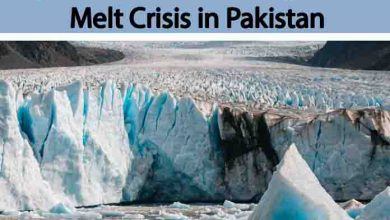

Climate Losses in Pakistan 2026: Alarming 6% GDP Threat Sparks Urgent Solar Action
Climate losses in Pakistan could reach 6% of GDP by 2050 as CCP urges urgent solar energy shift to reduce risks and ensure sustainable growth.
Climate losses in Pakistan are rapidly becoming a serious economic and environmental threat. A new study warns that the country could lose up to 6 percent of its GDP by 2050 if urgent climate action is not taken.
Pakistan is already ranked among the most climate-vulnerable countries in the world. Increasing floods, extreme heatwaves, and worsening water scarcity are putting pressure on both the economy and society.
Climate Losses in Pakistan May Reach 6% of GDP
According to a study by the Competition Commission of Pakistan (CCP), climate losses in Pakistan could significantly damage long-term economic growth.
The report highlights that:
- Climate risks are increasing rapidly
- Economic losses could reach 6% of GDP
- Immediate policy action is required
This warning places Pakistan among the countries most at risk from climate-related economic shocks.
CCP Report Highlights Urgent Climate Risks
The report titled “Unlocking Green Potential: A Market Competition Study of Solar Energy in Pakistan” emphasizes the urgent need for climate action.
It identifies major threats contributing to climate losses in Pakistan, including:
- Intensifying floods
- Rising heatwaves
- Increasing water scarcity
Without strategic intervention, these risks could severely impact infrastructure, agriculture, and energy systems.
Solar Energy: A Powerful Solution for Pakistan
The CCP study highlights solar energy as a powerful and practical solution to reduce climate losses in Pakistan.
Pakistan has:
- Abundant sunlight throughout the year
- Large unused land in regions like Sindh and Balochistan
- High potential for solar power generation
Solar energy can help:
- Reduce greenhouse gas emissions
- Lower electricity costs
- Improve energy security
- Support sustainable development
Why Solar Energy Remains Underutilised
Despite strong potential, solar energy contributes only about 2 percent of Pakistan’s total electricity generation.
This reflects a significant gap between potential and actual use, increasing climate losses in Pakistan.
Key reasons include:
- Lack of large-scale investment
- Weak infrastructure
- Policy gaps
- Limited integration into national energy planning
Climate Threats: Floods, Heatwaves, Water Scarcity
Pakistan continues to experience severe climate events that are driving climate losses in Pakistan.
Major Threats:
- Floods: Cause large-scale destruction of homes and infrastructure
- Heatwaves: Impact health, agriculture, and productivity
- Water Scarcity: Threatens food security and daily life
These challenges are becoming more frequent and intense due to climate change.
Economic Impact of Climate Losses in Pakistan
The economic consequences of climate change are far-reaching.
Climate losses in Pakistan can lead to:
- Reduced agricultural output
- Increased energy costs
- Damage to infrastructure
- Loss of livelihoods
- Slower economic growth
If not addressed, these impacts could weaken Pakistan’s economy in the coming decades.
Rural and Agricultural Solar Opportunities
The CCP report highlights major opportunities in rural and agricultural sectors.
Solar solutions can:
- Replace diesel-powered irrigation systems
- Reduce farming costs
- Improve crop productivity
- Provide reliable electricity to remote areas
Expanding solar energy in these sectors can significantly reduce climate losses in Pakistan.
Barriers to Clean Energy Transition
Despite its benefits, Pakistan faces several obstacles in shifting to solar energy.
Key Barriers:
- Weak transmission and distribution systems
- Policy uncertainty and lack of long-term planning
- Financial constraints and high initial costs
- Limited private sector participation
These challenges are slowing efforts to reduce climate losses in Pakistan.
Policy Reforms and Market Solutions
To unlock solar potential, Pakistan needs strong policy and market reforms.
Recommended Actions:
- Improve energy infrastructure
- Develop clear renewable energy policies
- Encourage private investment
- Strengthen competitive energy markets
- Integrate solar into national energy planning
These steps are essential to address climate losses in Pakistan effectively.
The Way Forward for Pakistan
Pakistan must act quickly to reduce climate risks and secure its economic future.
Key priorities include:
- Accelerating solar energy adoption
- Investing in clean energy technologies
- Strengthening climate resilience policies
- Enhancing institutional coordination
A proactive approach can help Pakistan turn challenges into opportunities.
Conclusion
Climate losses in Pakistan pose a serious threat to the country’s economy and future development. With potential losses reaching 6% of GDP by 2050, urgent action is required.
The CCP report clearly shows that solar energy is not just an option—it is a necessity. By investing in renewable energy and addressing policy gaps, Pakistan can reduce climate risks, lower costs, and build a sustainable future.
External Links
- https://ccp.gov.pk
- https://www.worldbank.org/en/country/pakistan
- https://www.iea.org
- https://www.unep.org