
Climbing Season in Disarray | Climate Crisis Hits K2 and Karakoram Expeditions
The climbing season in the Karakoram, including K2 and Broad Peak, is in disarray due to climate change, risky avalanches, and rockfall. Learn why 2025 is a disastrous year for high-altitude expeditions.
The climbing season in disarray across Pakistan’s high-altitude northern frontier is not just a logistical setback—it’s a powerful symbol of the intensifying climate crisis. This year, some of the world’s most iconic 8,000-metre peaks—K2, Broad Peak, Gasherbrum I, and Gasherbrum II—have become nearly inaccessible.
Despite the July peak season, dozens of foreign expeditions remain stranded at base camps, watching their dreams of summiting dissolve in the face of erratic weather and unsafe terrain.
Unpredictable Weather and Scant Snowfall
Traditionally, the climbing window in the Karakoram opens in late June and runs through mid-August. However, 2025’s climbing season is in disarray due to alarming weather shifts.
Tour operators say that low snowfall during winter, followed by a rapid rise in summer temperatures, has destabilized the icy flanks of the peaks.
“This year, weather at the peaks is not normal,” says Iqbal Qadri, a seasoned expedition coordinator handling five foreign teams. “Less snowfall was received in winter, and there are real risks of rockfall and avalanches.”
Even experienced Sherpas and guides are reluctant to proceed beyond Camps I and II. The traditional rope-fixing teams have been halted altogether due to unstable terrain.
Foreign Expeditions Left Stranded
With dozens of climbers at K2 Base Camp and Concordia, the atmosphere is tense. Many climbers are reconsidering their attempts as the window of opportunity narrows.
Sakhawat Hussain, another operator on the ground, noted that even basic safety infrastructure like fixed ropes hasn’t been installed.
“The rock is exposed where it should be snow-covered,” he said. “The risks have doubled, if not tripled.”
This chilling assessment underscores just how dangerous the situation has become—not because of a lack of skill or preparation, but because of rapidly changing climate conditions.
Tragedy on the Slopes: Avalanche Injury
Adding to the grim outlook, Polish mountaineer Waldemar Kowalewski was seriously injured in an avalanche near Camp III on K2 on Friday. He suffered a leg fracture and is currently being treated in a makeshift tent at 6,500 meters, according to a source at base camp.
A rescue helicopter has been requested from the Pakistani Army Aviation Wing, highlighting the gravity of the incident.
This unfortunate event is emblematic of the broader issues plaguing the 2025 climbing season—from riskier terrain to rescue delays due to poor visibility and extreme wind.
What Experts Say About This Disruption
According to meteorologists and glaciologists, this year’s abnormal Karakoram weather is directly linked to climate change.
“We’re seeing melting glaciers, erratic snowfall patterns, and dangerous thawing at high altitudes,” said Dr. Zulfiqar Mir, a senior climatologist at the Pakistan Meteorological Department (PMD).
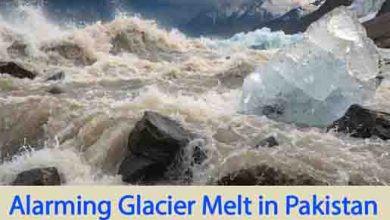
He explained that ice which normally consolidates into safe layers over winter is now melting rapidly, causing landslides and exposing sharp rocks.
The climate-induced chaos isn’t just dangerous for climbers—it also has broader implications for local porters, tourism-dependent economies, and high-altitude ecosystems.
Climate Change Reshaping the Himalayas and Karakoram
The climbing season in disarray is not an isolated anomaly. Similar conditions have been reported in Nepal’s Everest region, the Indian Himalayas, and even in Alaska’s Denali range.
In Gilgit-Baltistan alone, over 7,000 glaciers are at risk of accelerated melting, threatening not just climbing seasons but also Pakistan’s water security.
The UNDP and ICIMOD have repeatedly flagged the region as one of the most climate-vulnerable zones globally. According to a 2024 report by the Intergovernmental Panel on Climate Change (IPCC), if the trend continues, we may see climbing seasons pushed entirely out of summer months, or cancelled altogether.
Conclusion: A Call to Rethink Adventure and Adaptation
The 2025 climbing season in disarray is not just a cautionary tale—it’s a wake-up call for the global mountaineering community. While thrill-seekers have always embraced risk, climate change is pushing natural boundaries to new extremes.
It’s time for tourism boards, environmental agencies, and global adventurers to adapt. This may involve:
- Rethinking climbing windows
- Investing in climate-resilient infrastructure
- Partnering with scientific communities for weather prediction
- Educating climbers about green tourism practices
The majestic peaks of K2 and the Karakoram Range have long inspired generations. Let us not lose them to negligence and inaction.